Since 1933, the IRC has provided hope and humanitarian aid to refugees and other victims of oppression and violent conflict around the world.
Recent Posts
The IRC on Twitter
VOICES FROM THE FIELDTHE IRC BLOG
Ethiopia: The cutting edge of change
October 15, 2009
By The IRC
IRC water specialists use GIS technology to monitor tap stands.
Today, Blog Action Day, we’re joining more than 8,400 bloggers around the world to help focus attention on climate change.
Since 2000, the International Rescue Committee has worked to bring water to the people of Ethiopia’s drought zones. Now, IRC water specialists are using cutting-edge technology to find and deliver this valuable resource. In the village of Oda Keneni, IRC engineers used Geographical Information System (GIS) navigation tools to find an underground reservoir. Then they directed the water to a public faucet−or tap stand−in the village. Using electronic sensors, the engineers continuously monitor the flow of water to the tap stand.
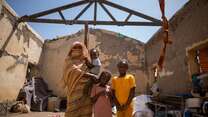
Before water came to Oda Keneni, women walked two hours to the river and back with heavy cans on their heads, braving the threat of attack or rape on unsafe trails. “We could only bathe once a week and wash clothes once a month,” says Alaya Muhammad, a 30-year-old mother of nine. Women sometimes fought over a bucket of water, she recalls. Even so, villagers frequently were sickened from drinking contaminated water.
All that changed once the tap stand−a 10 minute walk from Alaya’s home−started working. Her family can drink and bathe whenever they wish. Her children no longer fall sick from polluted water. Alaya no longer suffers from injuries caused by carrying heavy buckets long distances.
And because women and children no longer spend up to six hours fetching water, they have more time for chores at home and for school.
Women who complained of stress and physical abuse at the hands of their husbands (because of long absences spent collecting water) now report fewer incidents of domestic violence. “Before, my husband and I always quarreled,” Alaya says. “Now we discuss things and decide together. Sometimes I make him go for water!”
The IRC believes technology can be used to solve other chronic problems in African villages. “We’re using satellite imagery, GPS and aerial photography to analyze where and why crops fail and even why small businesses are failing in certain regions,” says Behar Hussein, an IRC GIS specialist.
In Oda Keneni, a village elder best expresses the change technology has made in the lives of the people in his community. “We feel as if we are not drinking water now,” he says, his hands clasped in gratitude. “We feel as though we are drinking milk!”
Read more from Ethiopia:
After a decade without water, IRC brings "life" to an Ethiopian town
Comments
[...] International Rescue
[...] International Rescue Committee: Ethiopia: The cutting edge of change [...]
Post new comment
Voices From...
Contributors