Since 1933, the IRC has provided hope and humanitarian aid to refugees and other victims of oppression and violent conflict around the world.
The IRC on Twitter
-
Thanks to all who voiced support for U.S. #CIR! What your calls on the Senate immigration reform bill achieved: t.co/z5OAvG7uFs
May 24, 2013
-
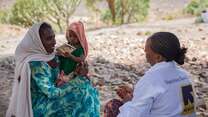
RT @DocEdH: The best of @theIRC: amazing local staff -in this case Immaculee M- listening thoughtfully to a community leader t.co/LH…
May 24, 2013
-
@angusa Thx for your interest in working with us! Positions posted at t.co/w3SDWahSdt; if a position isn't there it's no longer open.
May 24, 2013
-
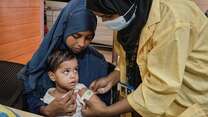
A woman awaits a checkup at an IRC clinic inside #Syria. t.co/KYCuHf1zWA Photo: Peter Biro/IRC t.co/qptp52tHvi
May 23, 2013
-
Please tweet @theIRC if you have questions, comments or requests!
May 23, 2013
VOICES FROM THE FIELDTHE IRC BLOG
George Rupp in Kenya - Day 3
Here’s an update from International Rescue Committee president George Rupp on his recent visit to IRC programs in Kenya and Uganda. (Read day about Days 1 and 2.)
Somalia is increasingly making headlines —from the election of its new president, Sheikh Sharif Ahmed, to the now infamous and lucrative piracy off its coastline. However, the humanitarian crisis in Somalia continues to go underreported.
Somalia has not had a functioning government since 1991 and Islamist militias control much of the country. Years of fighting have claimed tens of thousands of lives, displaced more than a million people, and left around 40% of the population in need of urgent food aid.
More than 244,000 Somali refugees have fled the ongoing violence and sought shelter in Dadaab in eastern Kenya, where the IRC launched health programs last month. I was therefore very interested in visiting the area during my trip to Kenya.
Although the Kenyan border is officially closed, an average of five thousand Somalis continue to stream into Dadaab every month. A lucky few can afford to pay for travel in cars or minibuses, but most have walked the 50 miles from the border and often arrive dehydrated and exhausted.
In Dadaab, I met men, women, and children who had recently made the arduous trip from Somalia to Kenya. Many had found their way to the hospital and four health posts that the IRC now runs in Hagadera Camp. It is a massive challenge for us, since this camp – one of three in Dadaab – already hosts more than 90,000 refugees.
In fact, the United Nations has stopped registering refugees in Hagadera. The camp simply cannot cope with any more people. (It was initially designed to hold just 50,000.) Available land is scarce in Dadaab and, with people living so close together, there is always the threat of disease outbreaks.
As we walked about the hospital, our medical team informed me they had seen recent cases of both measles and acute watery diarrhea. The trouble is that since the Kenya government closed the border with Somalia, refugees are using ‘unofficial’ entry points, thus bypassing the official medical screening centers. As a result, they are no longer being tested for diseases before arriving in highly populated areas.
Challenges aside, I was impressed with the dedication and ability of the IRC staff in Hagadera. In a matter of weeks, our 40-member team of mostly Kenyan doctors, nurses, pharmacists and other health workers got essential medical services up and running and are now delivering care not only to refugees but also to members of the local community. Clearly, however, much more support is needed for Somali refugees across Kenya, since there is no sign of a let-up in the number of people arriving here each and every day.
Comments
IRC is a great haven,i love
IRC is a great haven,i love the company and with my nursing knowledge,i dream of working for IRC,so that i can touch the lives of these poor suffering people.
Am in Kenya currently.
good jasp you done gat eric i
good jasp you done gat eric i m fm liberia in go to school in marsalltown.
Post new comment
Voices From...
Contributors