International Rescue Committee (IRC)

VOICES FROM THE FIELDTHE IRC BLOG

"Can I get cholera from kissing?"

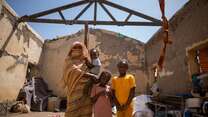
A young resident of Juvenat 7 camp, near Petionville in Port-au-Prince, announces that the cholera response team has arrived. These nurses and water and sanitation experts have been pushing an education campaign to dispel dangerous rumors about the illness.

Photo: Susana Ferreira/The IRC

Rumor is powerful in Haiti. There are rumors about everything: about political candidates, about who might be distributing guns in the streets, about the driving forces of election violence, about the weather. Unseasonable rains doused the capital last week, quieting streets that had been filled with demonstrators and roadblocks for days. An op-ed in last week's national paper, Le Nouvelliste, stopped short of invoking spells and voodoo:

"A layer of fog covers Petionville on Monday night. It rains on the city. This is not normal for December. For the rest of the country, it's no better. Rumor says it was President René Préval who made the bad weather come to appease the anger of protesters."

Rumors about the rains are rivaled only by cholera myths. Stories of it being a curse, a ploy for voodoo priests to acquire more bodies, have spiraled dangerously and are behind more than a handful of murders throughout the country. Other rumors, seemingly harmless, have caused problems of another sort.

"Can I get cholera from kissing?" "If I touch a person with cholera, will I get infected?"

Bernadette Pomphile, a nurse who works with the International Rescue Committee's cholera response team, has been all over Port-au-Prince talking to residents about their cholera fears. She says she's heard it all.

"You shouldn’t be afraid, I tell them. You should talk to the person, help the person. Don’t distance yourself from them. You can sleep with them, hug them, eat together.”

Combating discrimination against cholera-affected people, she says, has become an important part of the work she does.
 
Some people don’t believe cholera is a disease, says Guerline Gabriel, another member of the response. “They think it’s poison.”

“Some think it’s voodoo,” adds Bernadette. "But, we're starting to convince them."

With reports of people being attacked or even killed over cholera, dispelling the rumors about the illness has become vital, lifesaving work. It has already been acknowledged that street protests and roadblocks prevented many of the sick from seeking medical attention. But the stigma of cholera, where people feel shame or fear that they might be attacked for showing symptoms, drives many more into hiding.

With these education campaigns, and the door-to-door canvassing of our camp surveillance teams, we're helping to cure one cholera rumor at a time.
 

No comments yet.

Comments

Post new comment

The content of this field is kept private and will not be shown publicly.
Type the characters you see in this picture. (verify using audio)
Type the characters you see in the picture above; if you can't read them, submit the form and a new image will be generated. Not case sensitive.

ABOUT THIS BLOG        COMMENT GUIDELINES        DONATE        ARCHIVE