Since 1933, the IRC has provided hope and humanitarian aid to refugees and other victims of oppression and violent conflict around the world.
The IRC on Twitter
-
Thanks to all who voiced support for U.S. #CIR! What your calls on the Senate immigration reform bill achieved: t.co/z5OAvG7uFs
May 24, 2013
-
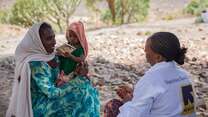
RT @DocEdH: The best of @theIRC: amazing local staff -in this case Immaculee M- listening thoughtfully to a community leader t.co/LH…
May 24, 2013
-
@angusa Thx for your interest in working with us! Positions posted at t.co/w3SDWahSdt; if a position isn't there it's no longer open.
May 24, 2013
-
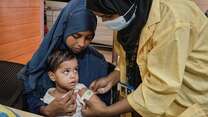
A woman awaits a checkup at an IRC clinic inside #Syria. t.co/KYCuHf1zWA Photo: Peter Biro/IRC t.co/qptp52tHvi
May 23, 2013
-
Please tweet @theIRC if you have questions, comments or requests!
May 23, 2013
VOICES FROM THE FIELDTHE IRC BLOG
Haiti: Everyone has cholera on their mind
The IRC’s Fritzner Pierre-Louis checks the chlorine levels at a water source at a camp for earthquake survivors in Martissant, southwestern Port-au-Prince. It will need to be chlorinated to be safe to drink.
By Monday morning, the ads on the radio had changed. Rather than campaign messages from any of the dozen-odd candidates running for election, the regular stream of talk and kompa music was interrupted by the somber voice of one presidential hopeful. He offered a message of solidarity to everyone affected by cholera, and encouraged everyone else to work together to stop this disease from spreading. Wash your hands and cook your food thoroughly, he reminded everyone. At least for a brief moment, election madness in Haiti has been replaced by something bigger—everyone has cholera on their mind.
It’s been nearly a week now since the first cholera cases were detected in a rural area north of Port-au-Prince, and in the days following a major public information and prevention campaign has been launched. There is a sense that the situation may be stabilizing, but some experts and officials have warned that it may be too early for optimism. As of today, over 3,600 people have been infected, and nearly 300 have died.
On the surface, life in Port-au-Prince seems to be going on as usual. Giant, hulking water trucks are still making their deliveries to camps and residential areas, the sun is still blisteringly hot, and traffic along the city’s main arteries is still atrocious. People squeezed into tap-taps, the colorful pickup-trucks–turned-taxis that fill every street, will often take advantage of the slow crawl of traffic to buy cool drinks on the side of the road. Enterprising street vendors walk around with tubs of cola and juice to sell, but the most popular item is water.
Little plastic sachets of water cost about 5 Gourde for three baggies, or about 13 cents. The bags are mass-produced by a number of different companies, and as the piles of empty plastic sachets littered throughout the city can attest, they are a major source of drinking water for the population. I’ve asked whether the water has been tested or treated, but no one seems to know.
Access to something so basic—clean drinking water—is a major issue, not only in this time of a cholera scare. The IRC’s Environmental Health team has been working for days on a strong hygiene campaign in all 30 of the camps we operate in, reinforcing messages they already push regularly to wash hands with soap, drink only treated water, use and disinfect latrines, and cook food thoroughly. The IRC only provides water to two camps, but we play a strong role in building and maintaining latrines, showers and general sanitation and hygiene in all thirty. Monday the teams fanned out into every camp, testing the water sources used by the nearly 100,000 people we serve.

The testing kit: The darker the shade of pink, the more chlorine is present in the water.
Photo: Susana Ferreira/The IRC
At Teleco, a camp near the Bel Air area of Port-au-Prince, young boys were taking bucket showers in the sunshine. They pulled the water from an underground reservoir in one section of the camp, hoisting up the heavy tubs with long ropes. They lathered up, keeping their trunks on, and poured the water over their heads to rinse off.
“There’s no chlorine in this water,” said Fritzner Pierre-Louis, part of the Environmental Health team. The water is trucked in several times a day by an outside NGO. “It’s okay to bathe with, but not okay to drink.” Tests at the other water sources in the camp yielded the same results. “We’ll have to chlorinate,” he said.
We moved on to a camp in the south-west of Port-au-Prince, in an area called Martissant. A crowd of women and girls were gathered around the water source here, filling tubs and buckets for washing, cooking and bathing. Fritzner collected a sample and plunged his testing kit into the water.
After a few moments, he held the kit up to the light. “Only zero point three,” he said. To be considered safe to drink, there must be at least 0.5 mg of chlorine per liter. This water would have to be treated, too.
For the 3,000 plus people who live in this particular camp, cholera is a real worry. The disease causes severe vomiting and diarrhea which can result in dehydration and death within hours. “They want aquatabs, they want rehydration serum,” said Loly Marie Gracieuse, a health worker with a local Haitian NGO. “They have information, but they’re scared of catching it.” Scared of dying.
Jeanne Romene La Guerre runs a small business selling cool drinks to her fellow camp residents. She says she’s received information from community hygiene promoters, and has even received cholera prevention alerts on her mobile phone, but she’s still frightened. “I know to drink clean water, to prepare food well,” she said. She sells a few sachets of water to a little girl, still wearing her uniform from school, and sifts through the change. She sighs. Knowing how to protect herself hasn’t allayed her fears. “It’s a contagious disease and we don’t know where it comes from.”
Susana Ferreira is the IRC's communications officer in Haiti.
Comments
The EH team is very
The EH team is very exceptional this mounth. I do really appreciate the way they response quickly to the Cholera Outbreak Emergency. Keep it up EH. The Haitian People will always be grateful to you also Thanks IRC...
Post new comment
Voices From...
Contributors