Since 1933, the IRC has provided hope and humanitarian aid to refugees and other victims of oppression and violent conflict around the world.
The IRC on Twitter
-
Thanks to all who voiced support for U.S. #CIR! What your calls on the Senate immigration reform bill achieved: t.co/z5OAvG7uFs
May 24, 2013
-
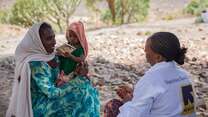
RT @DocEdH: The best of @theIRC: amazing local staff -in this case Immaculee M- listening thoughtfully to a community leader t.co/LH…
May 24, 2013
-
@angusa Thx for your interest in working with us! Positions posted at t.co/w3SDWahSdt; if a position isn't there it's no longer open.
May 24, 2013
-
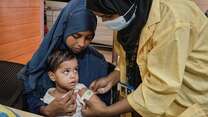
A woman awaits a checkup at an IRC clinic inside #Syria. t.co/KYCuHf1zWA Photo: Peter Biro/IRC t.co/qptp52tHvi
May 23, 2013
-
Please tweet @theIRC if you have questions, comments or requests!
May 23, 2013
VOICES FROM THE FIELDTHE IRC BLOG
Haiti, One Year On: Providing access to justice
January 8, 2011
By The IRC
In Haiti, bureaucratic challenges that existed prior to the earthquake continue to be an obstacle.
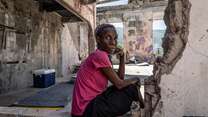
Just before 5pm on January 12, 2010, a magnitude 7 earthquake struck Haiti about 10 miles southwest of the capital, Port-au-Prince. It killed approximately 230,000 people and left another 1.3 million homeless. The International Rescue Committee quickly established emergency operations. In the last year, our mission has grown to include health care, child welfare, economic recovery and development, and programs to combat violence against women.
The IRC provides direct support to nearly 100,000 people in 30 camps. This week we are sharing daily updates on one aspect of our work in Haiti. Today -- a snapshot of our work providing access to justice:
- Many displaced people in Port-au-Prince have lost important documents including birth and marriage certificates. Without a birth certificate, a person is not able to register for school, open a bank account or access other critical services. Other people lost their loved ones and do not have access to death certificates to claim inheritance. Others do not have the necessary documents to establish property rights.
- Bureaucratic challenges that existed prior to the earthquake continue to be an obstacle. Cutting through bureaucratic red tape is difficult for ordinary citizens and only experienced lawyers seem able to penetrate a very complex system. The IRC’s field teams have experienced enormous logistical challenges in helping people to obtain the documents they need.
- The IRC has provided legal information to Haitians and has developed and distributed posters in Creole with instructions on how to replace lost documents or obtain new ones. This information has been distributed not just in camps but in other parts of Port-au-Prince, Leogane and surrounding areas as well.
To learn more about the IRC's work in Haiti download our new report, The Earthquake in Haiti: The IRC Responds, at Rescue.org/haiti.
No comments yet.
Voices From...
Contributors


Comments
Post new comment