International Rescue Committee (IRC)

VOICES FROM THE FIELDTHE IRC BLOG

Haiti: Making water safe to drink

Teaching "Community Hygiene Promoters" in Port-au-Prince how to chlorinate drinking water.

Photo: Susana Ferreira/The IRC

Safe Water

  • This weekend in Delmas 60 (one of two camps in Port-au-Prince  the IRC provides with water), our environmental health team met the delivery truck to verify water quality. (Photo: Susana Ferreira/The IRC)
  • First they filled up two yellow bladders for the approximately 350 families in the camp and the surrounding community. (Photo: Susana Ferreira/The IRC)
  • Then they took a sample from the water point and tested the levels. The water was chlorinated and safe to drink. The truck driver had added chlorine solution to the water in his tank, and with the motion of driving over Port-au-Prince's rocky, rubble-filled streets, it mixed well throughout. (Photo: Susana Ferreira/The IRC)
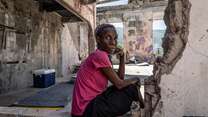
  • Delmas 32, a camp where the IRC is the only international aid agency operating. Delmas 32 has no camp management, and more importantly, no water. There is a reservoir, but water trucks cannot pass through the camp's roads, so it sits empty. When the 1,500 residents here want water, they must go to a nearby kiosk and pay -- for non-potable water. With no water, no ready latrines and an ever-growing pile of garbage, this camp has a serious sanitation problem. (Photo: Susana Ferreira/The IRC)
  • To address the sanitation problems in Delmas 32, the IRC's environmental health team is building latrines. The IRC has also trained Community Hygiene Promoters who are chlorinating people's water until a more sustainable fix is implemented. (Photo: Susana Ferreira/The IRC)

The IRC is working to prevent the spread of cholera by making sure Haitian quake survivors living in crowded tent settlements have safe drinking water and  latrines.  


All IRC Slideshows >
All Caribbean, Haiti Slideshows >

Safe Water

  • This weekend in Delmas 60 (one of two camps in Port-au-Prince  the IRC provides with water), our environmental health team met the delivery truck to verify water quality. (Photo: Susana Ferreira/The IRC)
  • First they filled up two yellow bladders for the approximately 350 families in the camp and the surrounding community. (Photo: Susana Ferreira/The IRC)
  • Then they took a sample from the water point and tested the levels. The water was chlorinated and safe to drink. The truck driver had added chlorine solution to the water in his tank, and with the motion of driving over Port-au-Prince's rocky, rubble-filled streets, it mixed well throughout. (Photo: Susana Ferreira/The IRC)
  • Delmas 32, a camp where the IRC is the only international aid agency operating. Delmas 32 has no camp management, and more importantly, no water. There is a reservoir, but water trucks cannot pass through the camp's roads, so it sits empty. When the 1,500 residents here want water, they must go to a nearby kiosk and pay -- for non-potable water. With no water, no ready latrines and an ever-growing pile of garbage, this camp has a serious sanitation problem. (Photo: Susana Ferreira/The IRC)
  • To address the sanitation problems in Delmas 32, the IRC's environmental health team is building latrines. The IRC has also trained Community Hygiene Promoters who are chlorinating people's water until a more sustainable fix is implemented. (Photo: Susana Ferreira/The IRC)

The IRC is working to prevent the spread of cholera by making sure Haitian quake survivors living in crowded tent settlements have safe drinking water and  latrines.  


All IRC Slideshows >
All Caribbean, Haiti Slideshows >

After a recent cholera outbreak north of Haiti's capital Port-au-Prince, IRC cholera prevention activities are in full gear in 30 settlements where we work assisting some 100,000 earthquake survivors.

The unsanitary conditions in the city's camps and slums are ripe for the rapid spread of this highly contagious, water-borne disease.

The IRC's Susana Ferreira shared these photos of the IRC's environmental health team treating water in two camps where people don't have a safe supply.

You can see more recent photos of the team in action here.


No comments yet.

Comments

Post new comment

The content of this field is kept private and will not be shown publicly.
Type the characters you see in this picture. (verify using audio)
Type the characters you see in the picture above; if you can't read them, submit the form and a new image will be generated. Not case sensitive.

ABOUT THIS BLOG        COMMENT GUIDELINES        DONATE        ARCHIVE