News, Photos & Videos › Blog › 'HIV/AIDS does not make you a monster'
Since 1933, the IRC has provided hope and humanitarian aid to refugees and other victims of oppression and violent conflict around the world.
The IRC on Twitter
-
Thanks to all who voiced support for U.S. #CIR! What your calls on the Senate immigration reform bill achieved: t.co/z5OAvG7uFs
May 24, 2013
-
RT @DocEdH: The best of @theIRC: amazing local staff -in this case Immaculee M- listening thoughtfully to a community leader t.co/LH…
May 24, 2013
-
@angusa Thx for your interest in working with us! Positions posted at t.co/w3SDWahSdt; if a position isn't there it's no longer open.
May 24, 2013
-
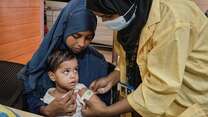
A woman awaits a checkup at an IRC clinic inside #Syria. t.co/KYCuHf1zWA Photo: Peter Biro/IRC t.co/qptp52tHvi
May 23, 2013
-
Please tweet @theIRC if you have questions, comments or requests!
May 23, 2013
VOICES FROM THE FIELDTHE IRC BLOG
'HIV/AIDS does not make you a monster'
May 15, 2008
By The IRC
A drama group performs a short play in Rupa sub-county entitled "Protect Yourself: Use a Condom." Photo: The IRC |
| Uganda's northeastern Karamoja region is set apart from the rest of the country, both by geography and by the traditions of its inhabitants, most of whom are semi-nomadic livestock herders. Throughout the 1980s and 1990s, this isolation kept Karamoja safe from the HIV/AIDS epidemic.Because HIV/AIDS is still relatively new to the region, knowledge and attitudes about the disease lag behind the rest of the country. The spread of HIV/AIDS within Karamoja is closely related to the frequency of rape during violent cattle-raiding among the region's different clans, as well as during courtship. Another contributing factor is the still-common practice of bride inheritance, in which newly widowed women are taken as wives by a male member of their deceased husband's family. Where a widow has been infected with HIV by her husband there is a risk that she in turn will unknowingly infect her new husband. To counter these practices, the IRC provides education and counseling to rape survivors and offers community education programs about the effects of rape and violence against women. The IRC also sponsors community gatherings where drama groups perform plays and songs with HIV-related educational themes. "The performances convey to male audiences that rape and abuse of women are flatly unacceptable," says IRC HIV/AIDS program officer Drametu Jimmy. The performers in the dramas act out of their own life experience - many are HIV-infected themselves. "I do this to soften the hearts in the community," said Amuge Patricia, a member of a drama group based in Kotido district. "I want them to know that being infected does not make you cursed or a monster." Read the full story, by IRC's Thomas Bohnett, here. |
1 comment
Voices From...
Contributors