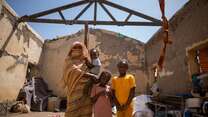
Since 1933, the IRC has provided hope and humanitarian aid to refugees and other victims of oppression and violent conflict around the world.
The IRC on Twitter
-
Thanks to all who voiced support for U.S. #CIR! What your calls on the Senate immigration reform bill achieved: t.co/z5OAvG7uFs
May 24, 2013
-
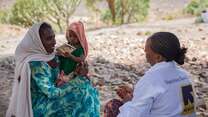
RT @DocEdH: The best of @theIRC: amazing local staff -in this case Immaculee M- listening thoughtfully to a community leader t.co/LH…
May 24, 2013
-
@angusa Thx for your interest in working with us! Positions posted at t.co/w3SDWahSdt; if a position isn't there it's no longer open.
May 24, 2013
-
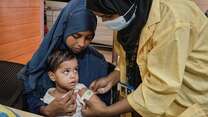
A woman awaits a checkup at an IRC clinic inside #Syria. t.co/KYCuHf1zWA Photo: Peter Biro/IRC t.co/qptp52tHvi
May 23, 2013
-
Please tweet @theIRC if you have questions, comments or requests!
May 23, 2013
VOICES FROM THE FIELDTHE IRC BLOG
Hurricane Katrina: Looking back
Lola Freeman, who lost her New Orleans home to Hurricane Katrina, touring her new apartment in Atlanta with IRC caseworkers in fall 2005.
After Katrina: A new home in Atlanta
Across the United States, IRC resettlement offices, which have long helped refugees from war-torn countries rebuild their lives, extended aid to families displaced by Hurricanes Katrina and Rita in 2005. Photographer Jim Stawniak was on hand that fall when two families who lost homes to Katrina moved into the new apartments the IRC found for them in Atlanta.
All IRC Slideshows >
All US - Atlanta, GA Slideshows >
As the East Coast of the United States cleans up after Hurricane Irene, the Gulf Coast is commemorating the sixth anniversary of the landfall of Hurricane Katrina.
Back in 2005, International Rescue Committee refugee resettlement offices across the country extended aid to families who were displaced by Katrina. Atlanta, Georgia was among the U.S. cities most affected by the arrival of these evacuees from the Gulf Coast.
Last year I spoke with two colleagues — Elhamija Kadic and Albert Mbanfu — who helped people who had lost their homes and livelihoods to Katrina relocate to Atlanta and find work. Both Elhamija and Albert came to the U.S. as refugees. And both told me that when they joined the IRC they never imagined that one day they'd be coming to the aid of Americans who were facing almost the same kind of situation that refugees face.
Elhamija said, "I wanted to help and to pay back because, really, so many generous people had helped me, my family and other refugees."
"I was a displaced person helping displaced people," recalled Albert, who had some advice drawn from his own experience about how to help someone who has lost everything start over.
"Listen to them and help them understand that life is full of ups and downs and that they can always catch up."
No comments yet.
Voices From...
Contributors


Comments
Post new comment