Since 1933, the IRC has provided hope and humanitarian aid to refugees and other victims of oppression and violent conflict around the world.
The IRC on Twitter
-
Thanks to all who voiced support for U.S. #CIR! What your calls on the Senate immigration reform bill achieved: t.co/z5OAvG7uFs
May 24, 2013
-
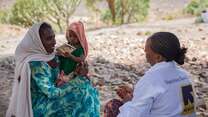
RT @DocEdH: The best of @theIRC: amazing local staff -in this case Immaculee M- listening thoughtfully to a community leader t.co/LH…
May 24, 2013
-
@angusa Thx for your interest in working with us! Positions posted at t.co/w3SDWahSdt; if a position isn't there it's no longer open.
May 24, 2013
-
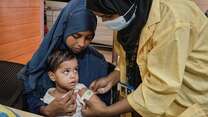
A woman awaits a checkup at an IRC clinic inside #Syria. t.co/KYCuHf1zWA Photo: Peter Biro/IRC t.co/qptp52tHvi
May 23, 2013
-
Please tweet @theIRC if you have questions, comments or requests!
May 23, 2013
VOICES FROM THE FIELDTHE IRC BLOG
Kenya: Learning lessons in Lodwar
June 16, 2008
By Joanne Offer
Joanne Offer is blogging from northern Kenya. See all her posts here.
Trips to the field are great for learning about what the International Rescue Committee is doing well, as well as learning about how we could do things even better next time. So when we visited Narusebo village, a relatively short but very bumpy drive from Lodwar Town, we had a long talk with the men and women of the village's water committee.
Late last year, the IRC helped the committee to fix their generator and install water points, meaning water could be pumped from an existing well around the village. Before this, the villagers had to walk 5km to collect dirty river water.
Women like Margaret (pictured here) told us that the new water system has made life so much easier: they can now easily drink and bathe in clean water, as well as water their small vegetable gardens. However, now that fuel prices are soaring, it's difficult for the village to afford to run the generator. Margaret and committee told us that if prices continue to rise, they might have to stop using the pump altogether.
One possible alternative is to use solar-powered pumps. These pumps don't need fuel, just the unrelenting African sun. But the downside is that they can't pump water long distances. In future, we'll definitely consider all options, despite their limitations, so that villages like Narusebo continue to have clean, safe water.
No comments yet.
Voices From...
Contributors


Comments
Post new comment