International Rescue Committee (IRC)

VOICES FROM THE FIELDTHE IRC BLOG

Kyrgyzstan: In limbo on the border [Photos]

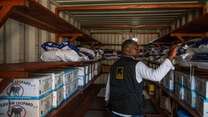
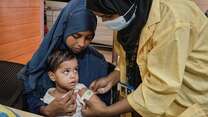
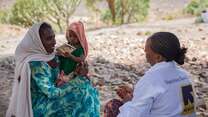
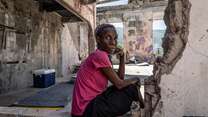
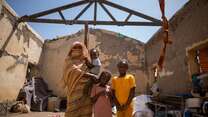
The International Rescue Committee’s emergency response team has been deployed to southern Kyrgyzstan and reports that thousands of people driven from their homes by ethnic violence are in dire need of assistance. They shared this firsthand report from the scene, along with photos. (Photos: Catherine Jones/The IRC)

The International Rescue Committee’s emergency response team has been deployed to southern Kyrgyzstan and reports that thousands of people driven from their homes by ethnic violence are in dire need of assistance. They shared this firsthand report from the scene, along with photos. This week the emergency team visited Velikasam and Sirutash, neighboring villages along Kyrgyzstan’s border with Uzbekistan that are said to be 95 percent ethnic Uzbek. After hearing reports that Uzbeks who fled the recent ethnic violence in southern Kyrgyzstan were taking refuge in the area, we decided to investigate. We met a group of community elders who told us that the families who live there are each sheltering some 20 to 30 relatives and other displaced people. In the immediate aftermath of the violence, some families took in as many as 50 or more people. Since then, however, many of the displaced  had chosen to return to their home villages. We asked the elders if we could talk to some of the displaced family members. A community leader led the way into Velikasam. When we arrived, we found hundreds of people standing or sitting in the streets.  We learned that they were Uzbeks returning to their homes in Kyrgyzstan from refugee camps in Uzbekistan. Most of them were women, children and the elderly, but there were also some men who had been wounded in the violence. A steady stream of people, meanwhile, were crossing a bridge from Uzbekistan into the town. Uzbek authorities had bused them from the refugee camps to the border. We learned that the refugees had received medical care and food rations on the Uzbekistan side of the border. But there was no official reception for them on the Kyrgyzstan side, not even a check of papers or passports. One group of returning refugees told us that they began their journey to the border at 6 am. As the day wore on, it became clear that thousands of refugees must have already crossed the border. (According to local news reports, some 30,000 refugees returned to Kyrgyzstan on Tuesday of this week.) Apart from some food and the few belongings they could carry in their bags, they have nothing. The returning families were making their own arrangements to hire taxis or vans, or to travel home with relatives who were waiting for them -- including men who had stayed on to guard property while their wives had fled with their children. But many people were left stranded, not clear what steps to take next. We spoke with several groups of women who were waiting for a ride to the town of Osh, about an hour away. Government officials had promised them transportation on arrival, they said, but nothing had turned up so far. We asked them why they had decided to return to Kyrgyzstan so soon after the violence. They said that while they were concerned that violence could flare up again, they were eager to  reunite with their families and  check on their property. They also said they had been encouraged to return by the governor of Osh, who had visited them in Uzbekistan and assured them that security had improved at home. The women said that they all had places to stay with relatives while they worked out what to do next. Most of them, however, will continue to live apart from their husbands. Many of the men have been sleeping in mosques, both for their own safety and until they can rebuild their homes. When asked what kinds of help they needed, the women said they were most concerned with security—and they were especially frightened about the reception they would get from their non-Uzbek neighbors back home. All of the Uzbeks we spoke with said that their Kyrgyz neighbors had tried to protect them when the ethnic violence broke out. Today, however, we received reports of Uzbeks being attacked by their Kyrgyz neighbors with stones. There is anger among members of the Uzbek community toward the government, police and army in Kyrgyzstan as they have been subjected to weapons searches that started soon after the recent violence had ended. The mood is tense with the approach of this weekend’s referendum on constitutional reform in Kyrgyzstan – a vote that the Kyrgyz interim government hopes will secure its legitimacy and that many people fear will spark renewed violence. It is also apparent that frustration and anger are rising among the thousands of returning refugees who find themselves stuck in limbo here on the border.

To Help: The IRC is raising emergency funds to address critical humanitarian needs in the region.  Donate Now.

No comments yet.

Comments

Post new comment

The content of this field is kept private and will not be shown publicly.
Type the characters you see in this picture. (verify using audio)
Type the characters you see in the picture above; if you can't read them, submit the form and a new image will be generated. Not case sensitive.

ABOUT THIS BLOG        COMMENT GUIDELINES        DONATE        ARCHIVE