News, Photos & Videos › Blog › Liberia: "War is Over"
Since 1933, the IRC has provided hope and humanitarian aid to refugees and other victims of oppression and violent conflict around the world.
The IRC on Twitter
-
Thanks to all who voiced support for U.S. #CIR! What your calls on the Senate immigration reform bill achieved: t.co/z5OAvG7uFs
May 24, 2013
-
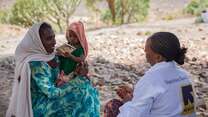
RT @DocEdH: The best of @theIRC: amazing local staff -in this case Immaculee M- listening thoughtfully to a community leader t.co/LH…
May 24, 2013
-
@angusa Thx for your interest in working with us! Positions posted at t.co/w3SDWahSdt; if a position isn't there it's no longer open.
May 24, 2013
-
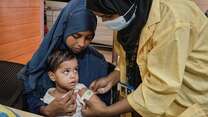
A woman awaits a checkup at an IRC clinic inside #Syria. t.co/KYCuHf1zWA Photo: Peter Biro/IRC t.co/qptp52tHvi
May 23, 2013
-
Please tweet @theIRC if you have questions, comments or requests!
May 23, 2013
VOICES FROM THE FIELDTHE IRC BLOG
Liberia: "War is Over"
May 16, 2008
By emily.holland
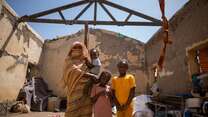
Liberia, 2003 Photo: Peter Biro/The IRC |
| IRC communications officer Emily Holland is blogging her second trip to Liberia. This is Part 2. Read Part 1 here. "This is where the war began," was my introduction to Nimba County. It's here, an International Rescue Committee staff member reminded me, that ex-Liberian dictator Charles Taylor staged his Christmas Eve incursion in 1989. Last night, I slept in a house that Charles Taylor once inhabited. Can you believe it? It's startling until you learn that 70% of the population of Nimba County took part in Liberia's civil war.Many who took part were children—child soldiers conscripted from their families, given weapons and drugs, and turned into fighters. Thankfully, the war is past and most child soldiers have been demobilized. That long process began with the United Nations. In exchange for turning in their weapons, former child soldiers were given money: a sum for their guns and another when they returned to their counties. The system was imperfect: some former combatants were registered in different counties than those where they actually lived. And often, sadly, the former child soldiers' commanders would continue to manipulate them. Commanders would pretend to be the children's parents, then take their money and run. The IRC was one of several organizations that assisted the U.N. in the demobilization process. We created safe spaces for child soldiers—young men and women—once they had been demobilized. We counseled them, worked to get them caught up on the education they had missed, and also established skills training programs for them: teaching them carpentry, auto mechanics, and other trades. Our rationale was that by giving these former fighters a way to make a living honestly, we would help them realize the benefits of peace for Liberia…and prevent a return to violence. The IRC continues to reach out to, train, and mentor ex-combatants. Today, however, people are encouraged not to differentiate between former child soldiers and other Liberians made vulnerable by the war. Considering the mystique that's developed around child soldiers, it's sometimes difficult. In closing, I saw a sign on the road today. "War is Over," it read in colorful, block script. It depicted men and women—happy at last—and a child soldier relinquishing his gun. What an arresting and inspiring sight that was. What a long way Liberia has come. |
Posted in Children & Youth, Child Soldiers, Peace, War, Africa, Liberia | Tags: refugees, Charles Taylor, Emily Holland in Liberia, humanitarian
1 comment
Voices From...
Contributors