Since 1933, the IRC has provided hope and humanitarian aid to refugees and other victims of oppression and violent conflict around the world.
Recent Posts
The IRC on Twitter
-
RT @MoveEndViolence: Why do we need a #movement to end #VAWG? #MovementMaker Heidi Lehmann of @theIRC on the blog. t.co/H74c80BdAs
May 20, 2013
-
@Doylech @oneworldadopt @Just_Naomi_chan @socialfund @AFRIpads @tamaraduker @lynndalsing @HuTerra @scribblymouse thanks for your support!
May 20, 2013
-
RT @IRCuk: Thanks @LCO_orchestra @RiyadNicolas @cadoganhall for an excellent concert & for supporting our work w. Syrian refugees #TheAsfar…
May 20, 2013
-
Call members of Senate Judiciary Ctte & ask them to retain #CIR provisions that protect refugees & asylees t.co/xLIoPRWloc #CIRmarkup
May 20, 2013
-
#CIRmarkup: Sec. 3405 of U.S. #CIR bill is in markup right now. It contains important protections for #refugees, asylees & stateless people.
May 20, 2013
VOICES FROM THE FIELDTHE IRC BLOG
Mothers’ stories of the drought
Here I am giving a severely malnourished two-year-old named Akuta a vitamin-enriched peanut paste called Plumpy'nut. His mother told me that her family lost all of their livestock -- their means of making a living -- to cattle rustling and the drought.
The International Rescue Committee has been scaling up our relief efforts to help people who have been affected by East Africa’s worst drought in decades. One of the places hit hardest by the drought is Turkana North, where most people lead nomadic lives, tending goats and cattle to make a living and provide nourishment for their families.
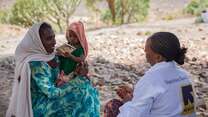
I recently visited some of our mobile clinic teams in the remote Lokichoggio area of the district, near the South Sudan border. There I met some courageous mothers who had walked for hours to find help for their children. Here are some of the stories they shared with me:

Photo: Milka Choge/IRC
“I don’t have milk to give my children. That is why they are skinny and malnourished.”
Ikwaro heard about the IRC’s nutrition program from the local chief and walked four hours to reach the clinic the IRC set up in the village of Apasto. After losing most of their large herd of goats and camels to the drought, her family has been surviving on wild fruits and what little milk the remaining animals can provide.

Photo: Milka Choge/IRC
“At the beginning of the year I had fifty goats but I lost most of them to the drought.”

Photo: Milka Choge/IRC
“We lost our livestock due to cattle rustling – and the animals that were left were wiped out by the drought.”
- Akadeli Namuya, a mother of 12, with two-year-old Akuta
Akadeli’s youngest son, Akuta, is severely malnourished. He weighs just over 18 pounds – which is very low for a two-year-old. The clinic staff gave Akuta Plumpy'nut and nutritional supplements to help him get to a normal weight. They also gave the toddler his immunizations.

Photo: Milka Choge/IRC
“All my animals have died. Lack of water and food is a problem. We don’t have access to safe water.”
Lokanya, a mother of eight from the village of Lomunyenilakirino, lost ten goats to the drought. She told me her family has very little food and must travel far to collect safe water to drink.
To Help
Comments
This is to pass my sincere
This is to pass my sincere gratitude to the whole fraternity of IRC in Kenya for the glorious work you are doing in Turkana of saving lives. My point of interest is to note with keen that you are really determined to rescue the women especially the breastfeeding and expectant ones together with their young ones. This is a good initiative as i am pretty aware of the contribution of the women's effort in the Kenyan economy which is about 40% and if not well guarded might lead to a great negative impact. May you continue to rescue lives and may the Lord bless you and open doors for sufficient funds that you may not lack.
Post new comment
Voices From...
Contributors