News, Photos & Videos › Blog › Quoted: How doctors operate in wartime
Since 1933, the IRC has provided hope and humanitarian aid to refugees and other victims of oppression and violent conflict around the world.
Recent Posts
The IRC on Twitter
-
@IRCPress You've been quoted in my #Storify story "Crisis in Darfur, 10 Years On" t.co/guLOti8F02
May 21, 2013
-
RT @IRCPress: Race against time to aid new #Darfur #refugees in Chad before rains begin: t.co/z6eDBFeR1I
May 21, 2013
-
RT @MoveEndViolence: Why do we need a #movement to end #VAWG? #MovementMaker Heidi Lehmann of @theIRC on the blog. t.co/H74c80BdAs
May 20, 2013
-
@Doylech @oneworldadopt @Just_Naomi_chan @socialfund @AFRIpads @tamaraduker @lynndalsing @HuTerra @scribblymouse thanks for your support!
May 20, 2013
-
RT @IRCuk: Thanks @LCO_orchestra @RiyadNicolas @cadoganhall for an excellent concert & for supporting our work w. Syrian refugees #TheAsfar…
May 20, 2013
VOICES FROM THE FIELDTHE IRC BLOG
Quoted: How doctors operate in wartime
June 27, 2012
By The IRC
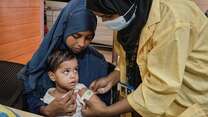
An International Rescue Committee nurse examines a Syrian refugee boy at a medical clinic in Jordan.
Photo: Haifa Hussain/IRC
What does it take to save lives in war zones?
Discovery News posed this question to the International Rescue Committee's Dr. Emmanuel d’Harcourt and other doctors responding to the humanitarian crisis sparked by the ongoing violent conflict in Syria.
Dr. d’Harcourt said that cross-cultural skills, conflict resolution experience and a calm demeanor are the basic elements of security for doctors who work in dangerous locales. Local knowledge is also critical, he said — IRC teams are largely staffed by locals. Among refugees, there are usually nurses and health workers whose expertise can be tapped. “You’re not arriving in a vacuum, no matter how difficult the situation.”
No comments yet.
Voices From...
Contributors


Comments
Post new comment