Since 1933, the IRC has provided hope and humanitarian aid to refugees and other victims of oppression and violent conflict around the world.
The IRC on Twitter
-
Thanks to all who voiced support for U.S. #CIR! What your calls on the Senate immigration reform bill achieved: t.co/z5OAvG7uFs
May 24, 2013
-
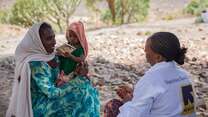
RT @DocEdH: The best of @theIRC: amazing local staff -in this case Immaculee M- listening thoughtfully to a community leader t.co/LH…
May 24, 2013
-
@angusa Thx for your interest in working with us! Positions posted at t.co/w3SDWahSdt; if a position isn't there it's no longer open.
May 24, 2013
-
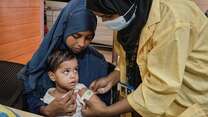
A woman awaits a checkup at an IRC clinic inside #Syria. t.co/KYCuHf1zWA Photo: Peter Biro/IRC t.co/qptp52tHvi
May 23, 2013
-
Please tweet @theIRC if you have questions, comments or requests!
May 23, 2013
VOICES FROM THE FIELDTHE IRC BLOG
The riskiest place for a woman
The International Rescue Committee is deeply committed to protecting and empowering women and girls in crisis zones and countries recovering from war and disaster. And through the strong ties our staff has forged with the women we assist, we have come to see that far too often the riskiest place for a woman is where you might least expect it to be—in her own home. That is because, as the U.N. attests, the most common and destructive form of violence that women experience globally is domestic violence. In some countries, the U.N. reports, nearly 50 percent of women have suffered physical violence at the hands of a current or former intimate partner.
The physical abuse of women by their husbands or intimate partners has been largely ignored. When it is acknowledged, it is frequently excused as a cultural problem. Local authorities (virtually all of whom are men) and even aid agencies say, in effect, “It is none of our business.”
Such a stance is unacceptable, and the IRC intends to change it. To lead the effort, we have formed the IRC Commission on Domestic Violence. This seven-member commission, on which I serve, includes distinguished leaders active in such fields as women’s rights, public health, media, and philanthropy.
The Commission will use its collective voice to raise awareness of domestic violence and insist that it no longer be ignored or tolerated. We are focusing our immediate attention on West Africa, a region emerging from a long period of conflict and war where the IRC’s staff has found domestic violence especially pervasive. It has become an obstacle not only to women’s well-being, safety, and potential, but also to the social and economic development of their communities.
In March, Commission members met with women in Liberia and Sierra Leone and from Ivory Coast, to hear their perspectives on domestic violence. Commission members also visited IRC programs for women, and met with key government and justice officials. Today, the IRC Commission is releasing a report that we hope will serve as a wake-up call and help local communities and governments in the region tackle this grievous problem.
With two daughters and two granddaughters of my own, I can appreciate how important it is to ensure the safety of women. And I also know that in 2012, we can no longer tolerate domestic violence anywhere as a private matter. On the contrary, society and the state must treat it as a violation of a woman’s basic human rights. If they do so, they will enable women to play a robust role in helping themselves, their families, and their communities grow and prosper.
Take Action to End Domestic Violence
Domestic violence is a global crisis. Take the pledge and share our infographic.>>
No comments yet.
Voices From...
Contributors


Comments
Post new comment