Since 1933, the IRC has provided hope and humanitarian aid to refugees and other victims of oppression and violent conflict around the world.
The IRC on Twitter
-
Thanks to all who voiced support for U.S. #CIR! What your calls on the Senate immigration reform bill achieved: t.co/z5OAvG7uFs
May 24, 2013
-
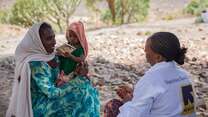
RT @DocEdH: The best of @theIRC: amazing local staff -in this case Immaculee M- listening thoughtfully to a community leader t.co/LH…
May 24, 2013
-
@angusa Thx for your interest in working with us! Positions posted at t.co/w3SDWahSdt; if a position isn't there it's no longer open.
May 24, 2013
-
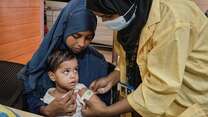
A woman awaits a checkup at an IRC clinic inside #Syria. t.co/KYCuHf1zWA Photo: Peter Biro/IRC t.co/qptp52tHvi
May 23, 2013
-
Please tweet @theIRC if you have questions, comments or requests!
May 23, 2013
VOICES FROM THE FIELDTHE IRC BLOG
"Rule number one: don't get sick"
An oral rehydration kiosk in Cite Cabrit camp in Martissant. The International Rescue Committee has constructed and installed a kiosk in every site we serve to act as a distribution point for oral rehydration salts, which are vital in the treatment of any case of severe diarrhea.
Taking cholera very seriously
Earthquake survivors living in crowded camps in Port-au-Prince are taking a deadly outbreak of cholera — Haiti's first — very seriously. The IRC has trained community members to educate their neighbors about ways to avoid getting sick.
All IRC Slideshows >
All Haiti Slideshows >
Taking cholera very seriously
Earthquake survivors living in crowded camps in Port-au-Prince are taking a deadly outbreak of cholera — Haiti's first — very seriously. The IRC has trained community members to educate their neighbors about ways to avoid getting sick.
All IRC Slideshows >
All Haiti Slideshows >
When you enter Cite Cabrit, a camp for earthquake survivors in the Martissant area of Port-au-Prince, the first thing you notice are the coffins.
A makeshift workshop set up at the entrance of this camp has a half-dozen men at work cutting wood, sanding, hammering pieces together, and stacking the completed coffins to the side to be painted and polished.
The coffins aren’t for cholera victims here — “We haven’t had any cases,” says one man. “Thank God.” — but it’s still a jarring image for a city in the midst of panic over a fatal outbreak.
As of Sunday, the latest figures released by Haiti’s Ministry of Public Health and Population showed 1,034 confirmed cholera deaths and 16,799 people hospitalized with suspected cases of cholera. A few of those cases have popped up in camps served by the IRC—including at one camp just down the road.
Caroussel, or Kawoussel as it’s known in Creole, is one place that’s been shaken by cholera. While diarrhea is common in this community, two cases strongly suspected of being cholera were detected here late last week. Residents are taking it very seriously.
“Prevention is the cornerstone in curbing any major outbreak of disease,” says Melody Munz, coordinator of the IRC’s Environmental Health program. “We cannot over-emphasize the importance of hygiene.”
Rule number one, says Munz, is “don’t get sick.” And to keep people from getting sick, the IRC has been pushing an aggressive sanitation and hygiene promotion campaign across Port-au-Prince.
Community hygiene promoters, present in every one of the 30 camps where the IRC works, have been trained to chlorinate water, monitor communities for symptoms of cholera, dispense oral rehydration salts, and make homemade versions of rehydration solution using salt and sugar. They continue to push strong messages about the importance of washing with soap, eating properly cooked food, and using latrines and toilets to go to the bathroom rather than going behind a bush or in a ditch.
Rehydration kiosks, installed in each of these 30 camps, have become a focal point of the cholera prevention and treatment efforts. Here, residents come to see the community hygiene promoters for help with their diarrhea symptoms. On its own, diarrhea is a common and dangerous ailment, and hydration goes a long way toward helping a patient recover. In the case of cholera, until a sick person can make it to a cholera treatment center or other health facility for medical care, immediate rehydration is the most important first response.
Members of the IRC’s cholera response team — drawing from specially-trained health, water and sanitation staff — visit these camps and kiosks every day to learn whether there are any suspicious cases, listen to local concerns, and learn what the needs of each community are.
In the coming weeks, as authorities expect the cholera outbreak to spread, intensify and eventually peak, the IRC will distribute water purification tablets, household soap and other hygiene supplies. We will continue to chlorinate water, pass out oral rehydration salts and push strong prevention messages. Above all, we will maintain vigilance to keep the people we assist from becoming sick.
How to Help
Donate directly to the IRC’s work in Haiti l More ways to help
No comments yet.
Voices From...
Contributors


Comments
Post new comment