Since 1933, the IRC has provided hope and humanitarian aid to refugees and other victims of oppression and violent conflict around the world.
The IRC on Twitter
-
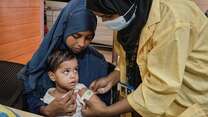
A woman awaits a checkup at an IRC clinic inside #Syria. t.co/KYCuHf1zWA Photo: Peter Biro/IRC t.co/qptp52tHvi
May 23, 2013
-
Please tweet @theIRC if you have questions, comments or requests!
May 23, 2013
-
Thanks to your support, we made @Klout's list of the world's most influential NGOs on social media: t.co/Abc4bTjEY0 #KloutPulse
May 23, 2013
-
RT @So_Jo1: @theIRC's Felix Leger on VOA today t.co/vzvenVNEJ1
May 22, 2013
-
RT @So_Jo1: @theIRC will provide 70,000 liters of clean water daily--enough potable water for 5,000 people a day to drink, cook and bathe #…
May 22, 2013
VOICES FROM THE FIELDTHE IRC BLOG
In Iraq, keeping kids safe in school
The IRC is working with more than 50,000 students across Iraq to provide them access to safe, high quality schooling.
Education is the right of every child – but for children in countries recovering from war or natural disaster, it is far more than that. In my work with the International Rescue Committee, I have seen time and time again that the sooner children return to school after a crisis, the sooner they can recover from trauma and regain a sense of normalcy in their lives. School is not only a place where children learn, but a place where they can grow, develop and heal.
Unfortunately, in many troubled areas where the IRC works, schools are not always a safe haven. In addition to the turmoil around them, children are often exposed to dangers in the classroom – such as physical abuse, verbal abuse (from teachers or other students) and even sexual exploitation in return for higher grades. Experiences like these harm children, diminish their ability to learn, and may cause them to drop out of school altogether. That is why it is critical that educators have the skills to recognize, prevent, and respond to violence or abuse happening in school.
Iraq’s education system — once a leader in the Arab world — has suffered severely as a result of three decades of conflict. Recently an IRC education team colleague and I traveled to Iraq to lead a three-day Safe Learning Environments training for two dozen education and child protection staff from a wide array of organizations
Working together, the participants mapped out specific types of violence and abuse that often occur against students in their regions of Iraq: Among those most frequently mentioned were corporal punishment as well as reinforcement of negative stereotypes against girls and religious and ethnic minorities. We brainstormed ideas on how to address these challenges and came out of the training with a detailed plan to reach specific goals in promoting safer schools and responding to cases of violence and abuse.
Many of the participants told me that they were so inspired by the training that they intend to push for adoption of the Safe Learning approach and some the strategies we developed together in their own organizations. Given the training’s success, the IRC plans to provide additional sessions this year and make the Safe Learning Environments e-course available to more practitioners in the education, child protection and humanitarian aid fields.
With this training tool, we hope to make our vision for all children to learn and thrive in safe schools a reality.
Heather Hansen is the International Rescue Committee’s education program manager. She is based in New York.
How to Help
No comments yet.
Voices From...
Contributors


Comments
Post new comment