Since 1933, the IRC has provided hope and humanitarian aid to refugees and other victims of oppression and violent conflict around the world.
The IRC on Twitter
-
Thanks to all who voiced support for U.S. #CIR! What your calls on the Senate immigration reform bill achieved: t.co/z5OAvG7uFs
May 24, 2013
-
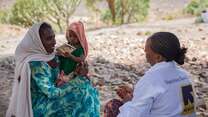
RT @DocEdH: The best of @theIRC: amazing local staff -in this case Immaculee M- listening thoughtfully to a community leader t.co/LH…
May 24, 2013
-
@angusa Thx for your interest in working with us! Positions posted at t.co/w3SDWahSdt; if a position isn't there it's no longer open.
May 24, 2013
-
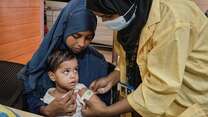
A woman awaits a checkup at an IRC clinic inside #Syria. t.co/KYCuHf1zWA Photo: Peter Biro/IRC t.co/qptp52tHvi
May 23, 2013
-
Please tweet @theIRC if you have questions, comments or requests!
May 23, 2013
VOICES FROM THE FIELDTHE IRC BLOG
Sierra Leone: Saving Small Children's Lives [Photos]
A staff member from a rural clinic vaccinates a child at a monthly health outreach session in the community of Small Sefadu. The IRC partners with local health workers to provide vaccinations to children under five and tetanus-toxoid vaccine to their mothers. The IRC also works with clinic staff to identify and immunize children who have missed their shots. Photos: Alison Zureick/The IRC |
|
New photos from my colleague Alison Zureick in Sierra Leone. Alison recently returned from a field visit to rural Kono District where she was documenting IRC health programs in remote communities. The International Rescue Committee’s child survival program is helping to save lives and improve the health of young children in Kono District, one of the areas hit hardest by Sierra Leone’s ten-year long civil war which ended in 2002. The program, which is the first of its kind in the country, depends on IRC-trained local volunteers known as community-based distributors who identify vulnerable and ill children and provide treatment in the children’s homes. Before, many mothers had to walk miles to a local health center to get treatment for their children. Now children receive free treatment in their own villages.
IRC supervisor Mustapha Bawoh reviews the ledger book of Richard Mbawa, the community-based distributor for Madina village. As a community-elected health worker, Richard provides first line treatment to children under five with diarrhea (“ron belle”), malaria (“warm bodi”) and pneumonia—three of the most common causes of death in young children. Richard and his fellow volunteers also encourage mothers to take their children to the local clinic if their conditions worsen and to attend monthly health education sessions.
Susan Matthews, the maternal and child health aide at the local health center in Kodama displays mortality data for the area served by the center. Community-based distributors record and report on deaths in their communities to help identify vulnerable groups and unmet needs.
Sia Kanessie, a community-based distributor in Kodama, displays her supplies for treating childhood illness. “Since I started working as a volunteer, the sickness in the community has gone down,” Sia says. “I like what I do because I get to help children have well bodi (good health). I encourage mothers to take their children to the clinic and to breast feed for a child’s first six months. I also work at night, making sure mothers use bed nets to prevent the child from getting malaria.”
A mother prepares her child to be measured and weighed at a monthly outreach session in the community of Small Sefadu.
Health center staff and IRC child survival staff work together to track the height and weight of children under five to identify those who are malnourished.
Traditional birth attendants sing about safe motherhood at a monthly pregnant women’s support group in the community of Bangabaya. The IRC works with the attendants to encourage pregnant women to visit the clinic for regular check-ups and for delivery. Bangabaya is one of four communities in Kono where IRC is piloting its safe motherhood program.
To learn more: Read the full story To help: Give children in Sierra Leone a fighting chance at life by supporting the IRC's effective child survival program. Your gift will be tripled, allowing IRC health workers to save thousands of lives in communities across Sierra Leone. Donate now - triple your impact > |
No comments yet.
Voices From...
Contributors


IRC supervisor Mustapha Bawoh reviews the ledger book of Richard Mbawa, the community-based distributor for Madina village. As a community-elected health worker, Richard provides first line treatment to children under five with diarrhea (“ron belle”), malaria (“warm bodi”) and pneumonia—three of the most common causes of death in young children. Richard and his fellow volunteers also encourage mothers to take their children to the local clinic if their conditions worsen and to attend monthly health education sessions.

Susan Matthews, the maternal and child health aide at the local health center in Kodama displays mortality data for the area served by the center. Community-based distributors record and report on deaths in their communities to help identify vulnerable groups and unmet needs.
Sia Kanessie, a community-based distributor in Kodama, displays her supplies for treating childhood illness. “Since I started working as a volunteer, the sickness in the community has gone down,” Sia says. “I like what I do because I get to help children have well bodi (good health). I encourage mothers to take their children to the clinic and to breast feed for a child’s first six months. I also work at night, making sure mothers use bed nets to prevent the child from getting malaria.”
A mother prepares her child to be measured and weighed at a monthly outreach session in the community of Small Sefadu.
Health center staff and IRC child survival staff work together to track the height and weight of children under five to identify those who are malnourished.
Traditional birth attendants sing about safe motherhood at a monthly pregnant women’s support group in the community of Bangabaya. The IRC works with the attendants to encourage pregnant women to visit the clinic for regular check-ups and for delivery. Bangabaya is one of four communities in Kono where IRC is piloting its safe motherhood program.


Comments
Post new comment