Since 1933, the IRC has provided hope and humanitarian aid to refugees and other victims of oppression and violent conflict around the world.
The IRC on Twitter
-
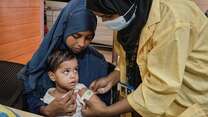
A woman awaits a checkup at an IRC clinic inside #Syria. t.co/KYCuHf1zWA Photo: Peter Biro/IRC t.co/qptp52tHvi
May 23, 2013
-
Please tweet @theIRC if you have questions, comments or requests!
May 23, 2013
-
Thanks to your support, we made @Klout's list of the world's most influential NGOs on social media: t.co/Abc4bTjEY0 #KloutPulse
May 23, 2013
-
RT @So_Jo1: @theIRC's Felix Leger on VOA today t.co/vzvenVNEJ1
May 22, 2013
-
RT @So_Jo1: @theIRC will provide 70,000 liters of clean water daily--enough potable water for 5,000 people a day to drink, cook and bathe #…
May 22, 2013
VOICES FROM THE FIELDTHE IRC BLOG
The State of Refugees in America
January 25, 2011
By Alexandra Hardina
The economic downturn that has upended the lives of so many Americans over the past few years has had an especially devastating impact on refugees.
The President’s annual State of the Union address is an especially pertinent time to reflect on the successes and challenges experienced by a special group of new Americans — refugees.
The United States has a long tradition of offering refuge to those fleeing persecution and war. Again and again refugees have proven that they are hard working, driven to succeed and thankful for a second chance in life. They increase our nation’s diversity, they enrich our communities culturally, they become professionals and taxpayers, and they open businesses that create new jobs.
But the economic downturn that has upended the lives of so many Americans over the past few years has had an especially devastating impact on refugees.
Newly arrived refugees have to accomplish many things in a very short period of time — including learning a new language, finding employment, enrolling their children in school, and learning to sustain themselves and their families in a new country and culture. While newcomers have done this successfully many times in the history of the United States, doing so in the current economic climate has been particularly hard. Under such pressure, the system that resettles refugees in America has shown cracks.
In too many cases, refugees who were already traumatized by war and atrocities at home have had to struggle to make ends meet in the country that offered them shelter.
The federal government has responded with emergency funds that have helped refugees to keep paying rent while they are trying to find jobs. The small initial grant given to refugees upon arrival has been increased as well. The U.S. State Department is seeking to do a better job at preparing refugees for a new life before they arrive. Finally, the White House has launched an important conversation among various stakeholders responsible for refugee resettlement to come up with solutions for program reform.
While these are all positive steps, a lot remains to be done to help refugees. I believe that the following changes would go a long way toward improving the way the United States welcomes refugees:
- Abandon the ‘one-size-fits-all’ approach to resettlement. Today we resettle refugees from nearly 70 countries around the world. They arrive with extremely varied cultural, professional and educational backgrounds. We can do a better job matching their skills with communities around the country where those skills are in short supply.
- Invest in health and mental health services for refugees who have gone through traumatic experiences and have witnessed horrible events.
- Anticipate the requirements of certain populations coming to the U.S. For example, refugees from Iraq are already comfortable living in western society. Other groups that come from developing countries or rural backgrounds may need to learn how to thrive in an American city.
- Invest in programs that will help refugees find employment. We need to expand existing employment-oriented programs. We also need to think of new, creative ways to help refugees who have very different sets of skills — such as an English-speaking doctor from Iraq and a widowed mother from Nepal with only four years of primary school — become self-sufficient.
- Provide extra help for those refugees for whom immediate employment may not be a realistic option, such as the elderly.
Having been denied basic rights at home — such as freedom of movement and expression, and the possibility to work and attend school — refugees value greatly the freedoms America offers and are eager to contribute to their new communities. But they need a strong foundation on which to build new lives.
I intend to do my part to help the Administration improve the refugee resettlement program and convince Congress to support these critical programs.
Learn More
How the International Rescue Committee helps refugees in the United States
No comments yet.
Voices From...
Contributors


Comments
Post new comment