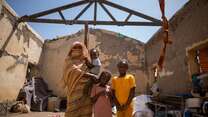
Since 1933, the IRC has provided hope and humanitarian aid to refugees and other victims of oppression and violent conflict around the world.
The IRC on Twitter
-
@LCO_orchestra @RiyadNicolas @cadoganhall Hope it's an amazing night! Thanks for your support.
May 17, 2013
-
RT @DCComics: Amazing. 2.6k of you gave $150K+ to #WeCanBeHeroes. Big thanks from DCComics @SavetheChildren @mercycorps @theIRC t.co…
May 17, 2013
-
Cyclone Mahasan update: It spared Myanmar almost entirely, and the storm’s impact in Rakhine State was minimal.
May 17, 2013
-
Cyclone Mahasan update: Storm weakened & then dissipated Thurs, causing far less damage than had been feared as it passed over Bangladesh.
May 17, 2013
-
Call Senate Judiciary Cttee & urge them to pass #CIR that includes protections for asylees & #refugees: t.co/4OQrSoAGVt #CIRmarkup
May 16, 2013
VOICES FROM THE FIELDTHE IRC BLOG
Uganda: Emergency transport

Molly Apogo is loaded into the IRC ambulance. Photo: Peter Biro/The IRC.
The red overhead light flashing, we are traveling at high speed over a potholed and muddy track towards the village of Padibe in northern Uganda. The IRC’s ambulance driver, James Odong, has just received a call from the local health clinic requesting the urgent transportation of two victims of a traffic accident to the larger hospital in Kitgum.
“Health posts all across the province call us for assistance,” Odong says, frantically avoiding the largest cracks and bumps in the road. “We receive up to four calls a day. Most of our patients are women about to give birth, children with malaria or victims of road accidents. The ambulance was also very important during a recent outbreak of Hepatitis E here in Kitgum.”
When we reach the hospital we are greeted by the local doctor at the Padibe clinic, Charles Oyoo. He quickly leads us to the patients. Regina Arach fractured her pelvis and crushed her leg when the taxi she was riding in plunged off the road at high speed. Regina’s friend, Molly Apogo, has a concussion and several deep cuts to her face.
“They have been given first aid, but now they have to be moved to Kitgum for treatment,” Oyoo says.
Regina moans loudly as James and the clinic staff move her to the ambulance on a military stretcher. The ambulance – the latest addition to a wide range of health services the IRC is providing in northern Uganda – is a very helpful service to the rural clinics, explains Oyoo as James starts the engine.
“The road to Kitgum is very bad and transporting patients in a taxi is time-consuming and causes a lot of pain to those with serious injuries. This makes life much better here.”
No comments yet.
Voices From...
Contributors


Comments
Post new comment