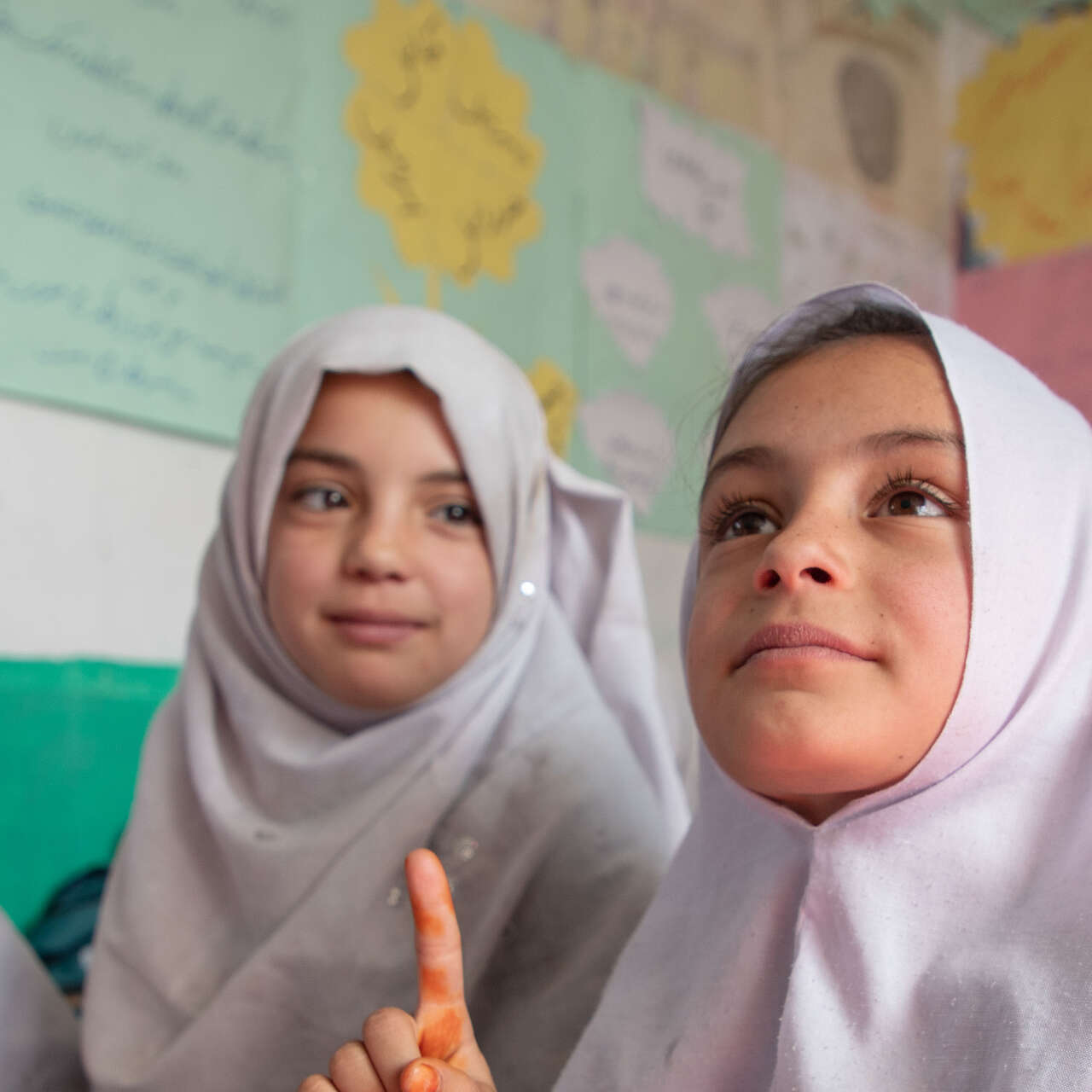
Earthquakes in Afghanistan leave over 2,000 dead and thousands more injured
- In late August, a 6.0. earthquake hit Afghanistan, causing deaths across four provinces and destroying entire villages.
- An IRC rapid needs assessment identified shelter, food, financial assistance, and medical support as the most urgent needs in affected communities.
- Three IRC Mobile Health and Nutrition teams are delivering humanitarian services in Kunar, Nangarhar and Laghman provinces.
- “We are in a race against time to support communities affected by one of the deadliest natural disasters Afghanistan has seen in years,” said IRC Afghanistan Director, Sherine Ibrahim.
Country facts
- Population: 41.13 million
- People in need of humanitarian aid: 23.7 million
- Rank in Human Development Index: 181 of 193
IRC response
- Started work in Afghanistan: 1988
Plagued by decades of violent conflict, natural disasters and an economic collapse, Afghans make up one of the largest refugee populations in the world. The IRC provides humanitarian relief and recovery assistance to Afghans affected by crises at home and abroad.
For decades, Afghanistan has struggled with a declining economy and dwindling security. In August 2021, the Islamic Emirate of Afghanistan (commonly known as the Taliban) took control of the country. International donors immediately suspended most non-humanitarian funding and froze billions of dollars in assets. Without this funding, the economy spiraled downward. Nearly half of the population lives in poverty and will continue to experience economic hardship.
Afghanistan is also reeling from extreme food insecurity which has been exacerbated by climate shocks, including flooding and earthquakes. An estimated 15.3 million people—35% of the population—continue to suffer from crisis or worse (IPC 3+) levels of food insecurity.
Pakistan’s announcement to expel some 1.7 million allegedly undocumented Afghans from the country is set to accelerate humanitarian needs—especially in border regions where hundreds of thousands of families are arriving. More than half a million Afghans have returned to the country since November 2, many returning with health problems and no source on income.
Today, 23.7 million Afghans need humanitarian support. More than 5.3 million Afghan refugees have been displaced outside the country’s borders.
The suspension of aid flows—which previously accounted for 75% of the government budget—has sapped the current government’s ability to pay salaries to public servants and deliver desperately needed services to millions of Afghans. The impact has been immediate and widespread. The population increasingly cannot meet basic needs as the economy and public services collapse amid sanctions.
The shift in power followed a major escalation in conflict between the Taliban and the former government over the course of 2021 and a deal that saw American forces depart the country rapidly.
Civilian casualties in Afghanistan reached record levels in the first half of 2021, with women and children bearing the brunt of the conflict. Afghans who assisted the U.S. in their country, such as translators and interpreters, face great danger. The Biden Administration has been addressing a backlog in processing Special Immigrant Visas (SIVs) for these allies and looking at other paths for Afghans seeking safety—but these efforts benefit less than 1% of Afghans.
The likelihood of extreme weather events in Afghanistan, which is already prone to natural disasters, is rising due to climate change. Drought, flooding and other disasters coupled with the country’s economic collapse means that more Afghans at home and abroad are being pushed into poverty, and increasing numbers of people are facing food insecurity.
Starvation could kill more Afghans than the last twenty years of war. Nearly 3.2 million children and 840,000 pregnant and nursing mothers suffer from severe acute malnutrition (SAM) or moderate acute malnutrition (MAM).
The IRC's mission is to help people whose lives are shattered by conflict and disaster to recover and gain control of their futures.
We began work in Afghanistan in 1988, launching relief programs for people displaced by the invasion of the Soviet Union. We now work with thousands of villages and communities across twelve provinces, with Afghans making up more than 99% of IRC staff in the country. In recent years, the IRC has become one of the leaders in family support programming in the country.
In 2023, the IRC in Afghanistan met a wide array of humanitarian needs, serving nearly 2 million clients with health services, over 250,000 with economic recovery and development aid, and almost 200,000 through educational programs. The IRC’s environmental programming reached close to 500,000 individuals, while family support services were extended to nearly 100,000 Afghans. Additionally, our emergency response efforts assisted almost 250,000 clients across the country.
As Afghanistan struggles to recover from conflict, natural disasters and economic collapse, the IRC:
- provides family support programming to women and children who are at risk of violence and exploitation, and who are also often the head of the household with the responsibility of feeding their families;
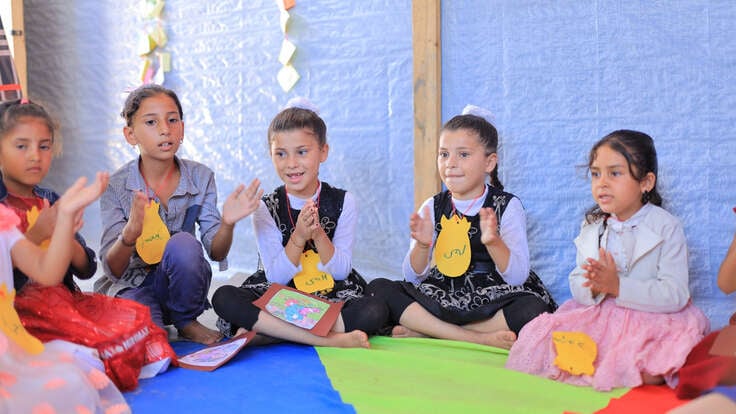
- implements education programs, aimed at children under the age of 12, reach boys and girls in Helmand, Kunduz, Khost and Logar provinces;
- delivers critical support to Afghanistan’s health care system, including the establishment of 35 mobile health and nutrition teams that provide services in hard-to-access regions of the country and enhance the capacity of nine static health facilities;
- enroll Afghans who are experiencing malnutrition in the Integrated Management of Acute Malnutrition program, which has a remarkable 93.5% cure rate;
- provide cash for work, and support to small businesses in Herat, Helmand, Badghis, Logar and Paktia provinces, particularly those owned by women, by providing start-up grants to enable them to purchase core business items;
The IRC is also supporting the many Afghans who have been forced to flee their country. Here is a quick overview of our work assisting Afghans in Mexico, Uganda, Pakistan, and in the United States, where we resettle Afghan refugees with housing, employment, health care, education, and other comprehensive services.
Support the IRC's work
Donate now to help the IRC support children and families in Afghanistan and in crisis zones worldwide.
The IRC is consistently awarded top marks by charity watchdog groups for our efficient use of donor contributions and the effectiveness of our work. Read more reasons to give to the IRC.