IRC Assessment in Pakistan Shows "Shocking" Conditions for Many Displaced People Living Outside Camps
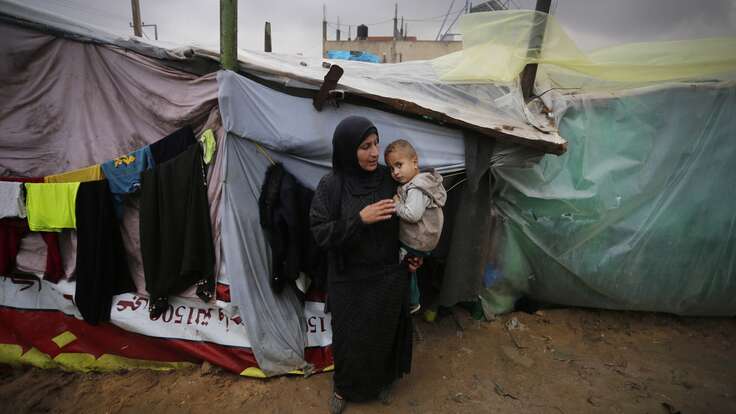
An assessment by the International Rescue Committee of uprooted Pakistanis living outside the camp system in Pakistan’s North-West Frontier Province shows many are living in “appalling” conditions
“In my 15 years as a health care professional I’ve never seen conditions like this in Pakistan,” said Dr. Balqias Khan, IRC health coordinator for Pakistan. “I was shocked by the appalling sanitary conditions surrounding IDPs [internally displaced people] squatting in schools. Between the overcrowding and unsanitary conditions, the environment is ripe for a major outbreak unless things rapidly change. Many of the newly displaced people are from areas where there is no malaria, so they are especially vulnerable. With the monsoon season around the corner, it is critical to distribute treated bed nets to people both in and out of camps.”
Dr. Tahlil Ahmed from the IRC’s emergency response team said: “It is critical to deploy mobile primary health care units immediately to schools and areas where IDPs are squatting. Common, treatable ailments such as diarrhea, respiratory and skin infections are proliferating. Reproductive health, trauma support service -– the needs are huge –- but providing even basic medical services will go a long way towards significantly improving people’s lives.”
The assessment team found that the few health facilities available to out-of-camp IDPs were not only understaffed, but those staff members available were insufficiently trained in essential and basic medical techniques. Moreover, diagnostic equipment, such as the laboratory equipment necessary to properly diagnose malaria, is severely lacking, as is a system to refer patients to other, better equipped facilities.
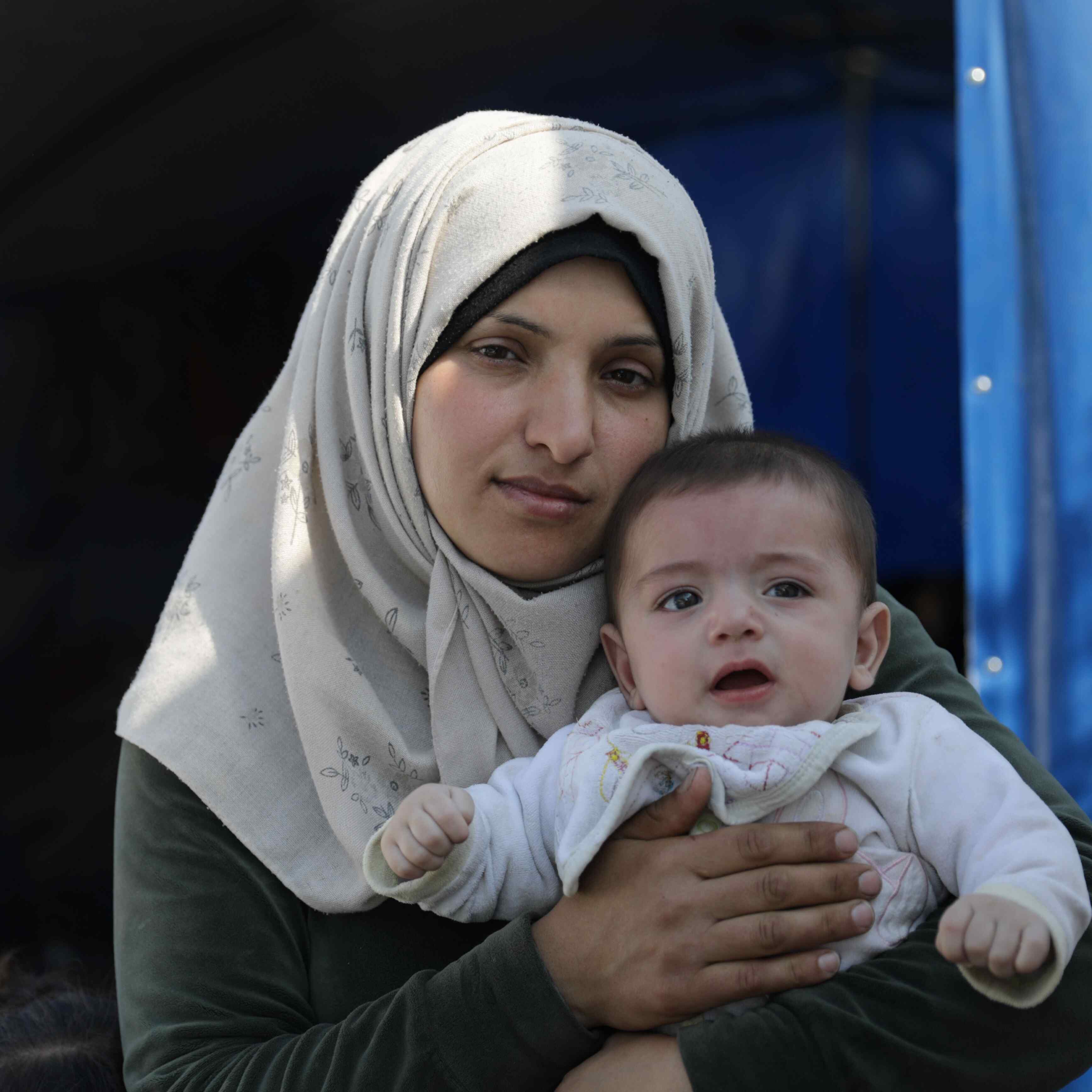
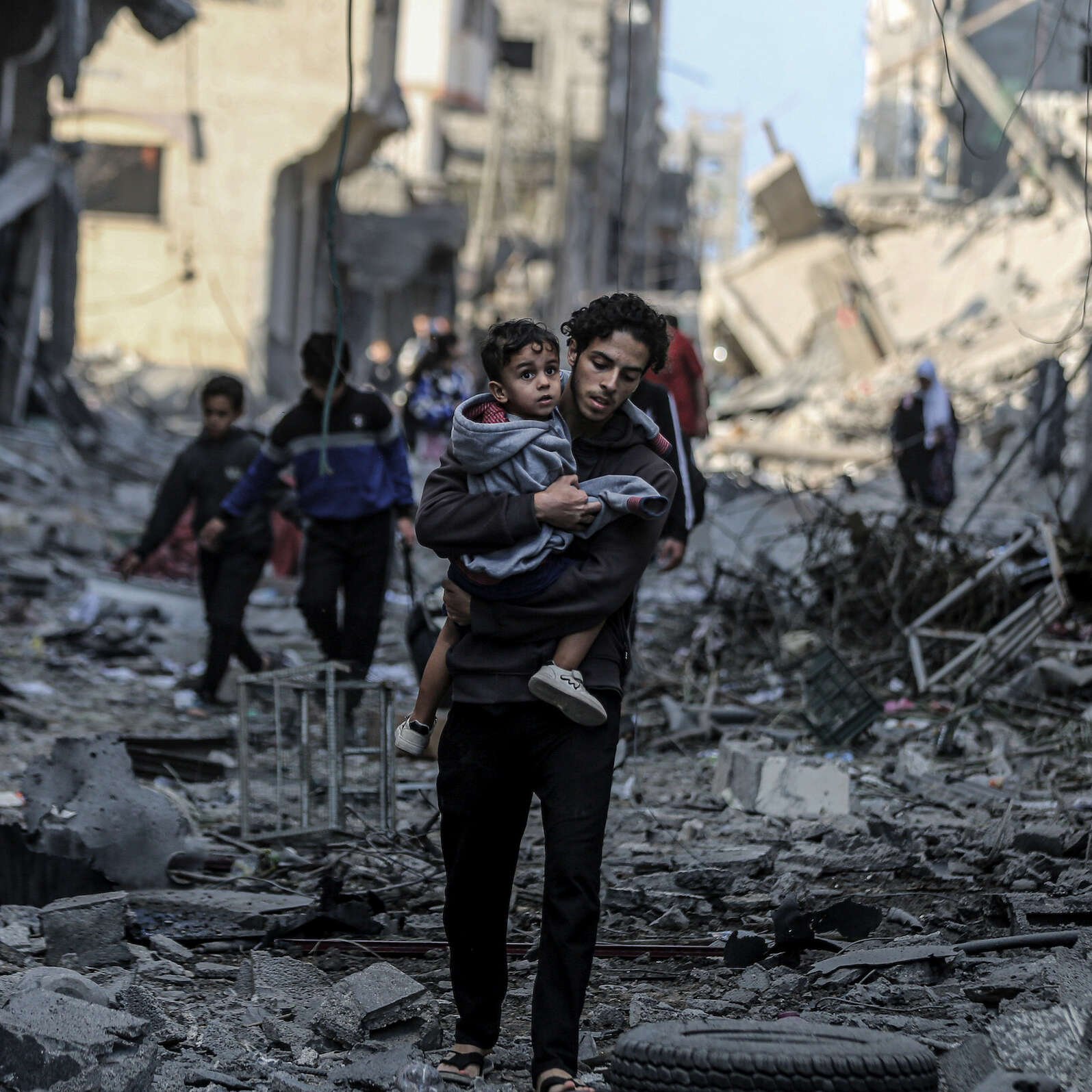
Of the 2.5 million displaced persons in the North-West Frontier Province, only 10 to 15 percent are able to secure admission to a camp and access the services and resources available there. Meanwhile, the remaining 2.3 million displaced people must take refuge in nearby communities, often beyond the reach of humanitarian assistance and basic services. Those without friends or family nearby must squat in schools, clinics or other abandoned buildings, stretching their minimal resources to survive and relying on the generosity of already impoverished communities. Because they are less visible and less accessible to aid groups, displaced people who are not in residing in camps are chronically underserved and vulnerable.
Given the assessment team’s findings, the IRC deployed a mobile health team last week in Mardan district, and assembled additional teams to be dispatched to the Mardan and Swabi districts.
Meanwhile, the IRC has received additional support that will permit the expansion of water, sanitation and hygiene-promotion services to approximately 400,000 out-of-camp IDPs and host communities.