International Rescue Committee (IRC)

Inside our work in Tanzania

Photos: 
<p>When refugees first began to arrive in Tanzania, they did not have food, clean water or a place to live. The IRC addressed these emergency needs and continues to work with the World Food Program to distribute food, soap, blankets and other basics and provide security to almost 40,000 refugees in Mtabila Camp and a varying number at the transit center in Kigoma.</p><br /><br /><em>Photo: Eliza Gregory/IRC</em><br /><br />
A group of women gather to receive information and support
<p>Women and children are particularly vulnerable when forced from their homes into temporary conditions. Living in poorly lit settlements with little security, they are susceptible to exploitation and abuse. The IRC works to identify problems facing women and children and offer alternatives to make sure they stay safe while they wait to return home or find a permanent one in Tanzania. In 2009, the IRC assisted 23,000 Burundians and 1,500 Congolese to return home. To date, almost 15,000 refugees have become legal citizens of Tanzania in our transit center in Kigoma.</p><br /><br /><em>Photo: Eliza Gregory/IRC</em><br /><br />
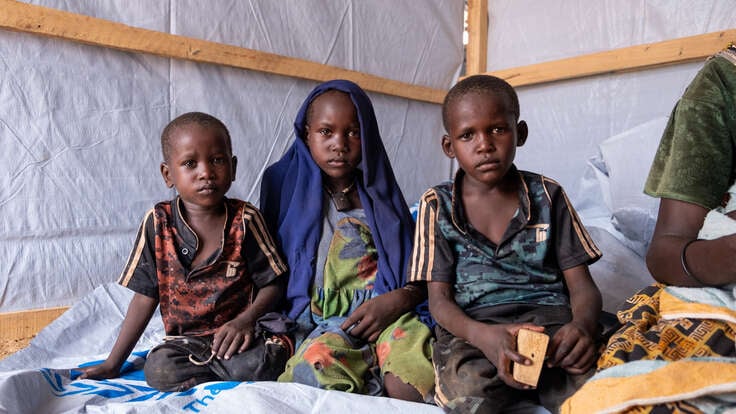
<p>The IRC identifies vulnerable children in the camps and responds to their needs with a wide range of services. Through informal education and other programs, the IRC is supporting young Burundian refugee children in Mtabila Camp with creative learning activities, sports and recreation in a safe environment. </p><br /><br /><em>Photo: Eliza Gregory/IRC</em><br /><br />
<p>In the Nyarugusu Camp, the IRC runs a youth center that provides cultural, recreational and educational activities for youth. Having a fun, safe place to go is vital to their development, and while they are there, they learn valuable lessons about sexual and reproductive health and HIV/AIDS.</p><br /><br /><em>Photo: Donna Morris</em><br /><br />
<p>The IRC works with people with physical and mental disabilities and helps ensure they get the care they need, including counseling, home visits, prostheses and rehabilitation.&nbsp; The IRC also makes sure they are treated fairly and have access to economic opportunities by raising awareness and sensitizing communities.</p><br /><br /><em>Photo: Melissa Winkler/IRC</em><br /><br />
Photo: Eliza Gregory/IRC

As refugees fleeing conflict arrived in Tanzania, the IRC welcomed them with essential services and continues to make life in temporary camps as safe, clean and livable as possible they await their return home.