Afghans face humanitarian crisis as security deteriorates
Urgent needs of Afghans must top priority list at July 8 Tokyo conference
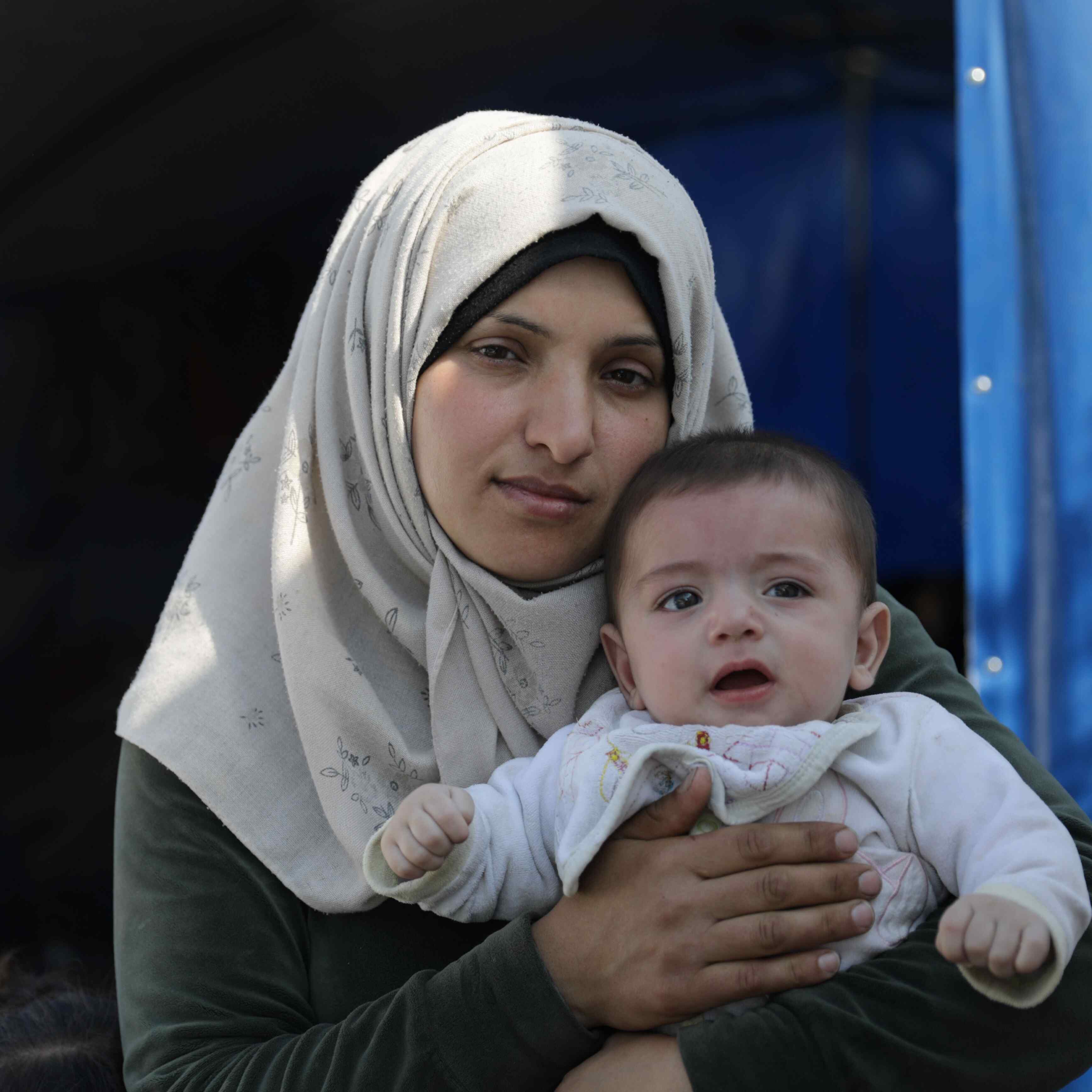
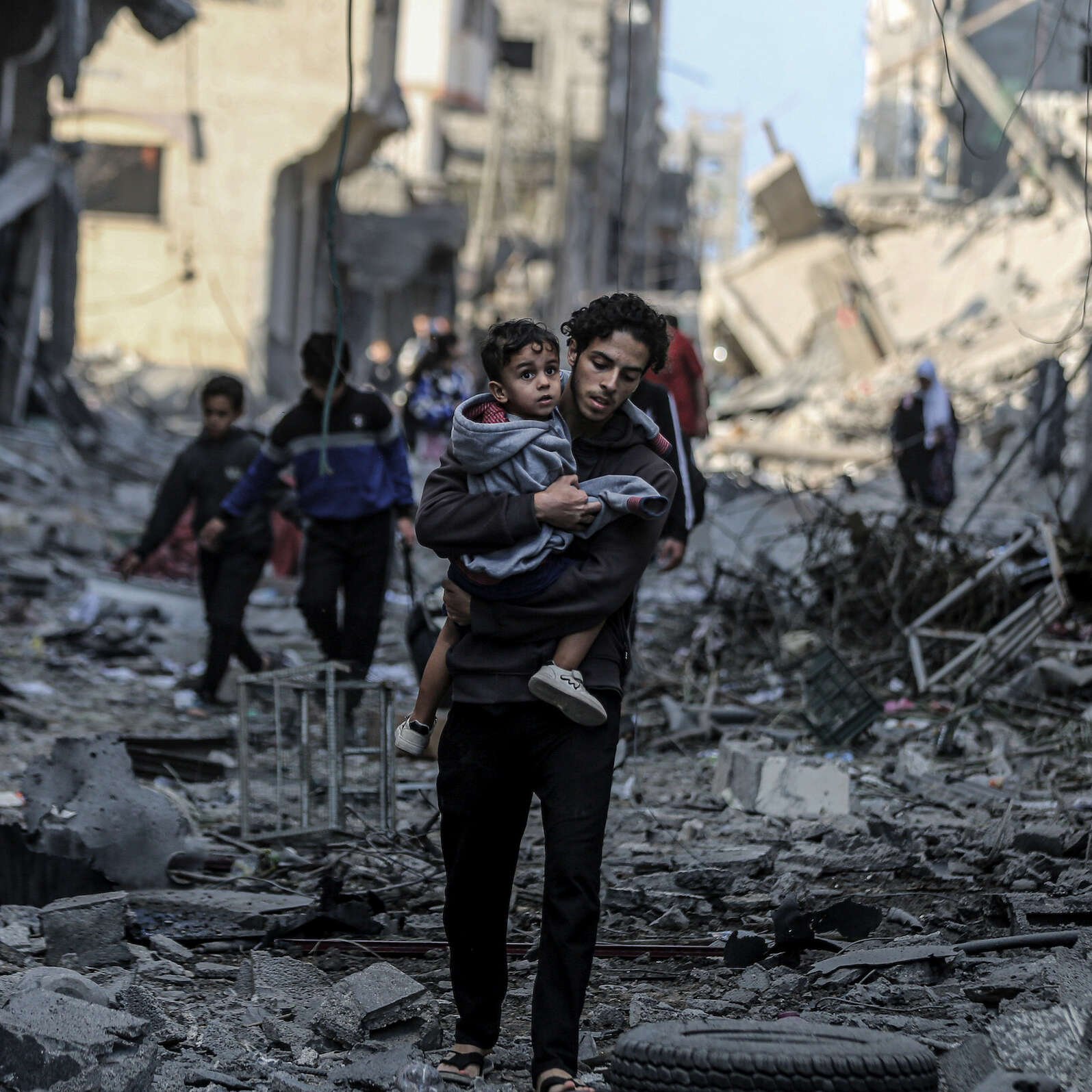
03 Jul 2012 - In Afghanistan, the worst security conditions in a decade combined with chronic poverty, joblessness and relentless natural disasters have caused a humanitarian and displacement crisis that requires urgent international attention.
“To be an Afghan today is to be constantly under threat,” says Nigel Jenkins, who oversees International Rescue Committee aid programs in Afghanistan. “Millions of civilians live in dire conditions and face violence, unemployment and shortages of food and shelter, with only minimal access to medical care and education. It’s no wonder hundreds of thousands are on the move in search of safety, work and basic services.”
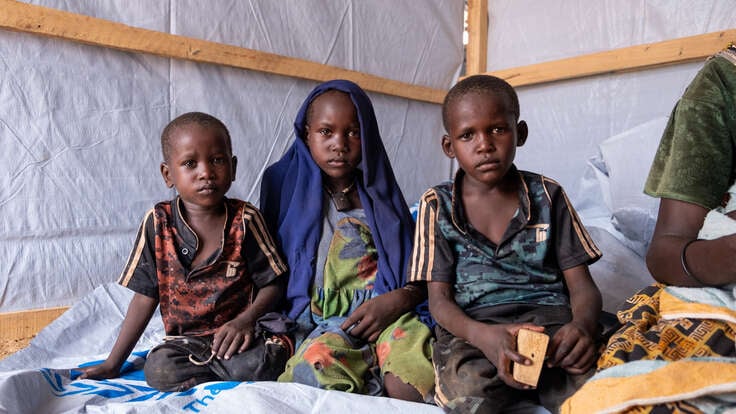
Civilians bear the brunt of Afghanistan’s violence. In the past five years, 12,000 have been killed, with last year being the deadliest, according to the UN. During this period, internal displacement has tripled—rising to 450,000 in 2011, a 47% increase from the previous year. Many Afghans driven from their villages have moved to urban areas, like Kabul, Herat and Kandahar, but most end up in informal settlements along the outskirts—wretched slums of mud and tin shacks without water or sewers.
Millions of other Afghans who fled violence in the past decade remain refugees in Pakistan and Iran and don’t want to return home, despite increasing pressure to do so by host countries. Last year marked a 10-year low for refugee returns to Afghanistan, with only 50,000 going back. About half entered the ranks of the internally displaced—choosing not to return to their stricken home communities.
Decades of war, ensuing violent conflict and repeated floods, droughts and other natural hazards have taken a devastating toll on rural economies and infrastructure. Yet due to security threats and a lack of capacity outside urban areas, large swathes of Afghanistan get no direct assistance from the government for roads, agriculture, health care, schools, sanitation and water and other services. Food production has declined in these regions, food shortages are acute and job opportunities are scarce.
“Aid organizations like ours often provide the only support rural Afghans get, whether it’s supporting schools, agriculture and other infrastructure projects, providing emergency supplies when floods hit or helping communities prepare for the next disaster,” says Jenkins. “The goal is for the Afghan government to assume responsibility for essential services for the Afghan people, but currently they don’t have the capability.”
Afghanistan is at a critical crossroads. Foreign forces are preparing to leave by 2014 and hand over security responsibilities to the Afghan government. Foreign donors are also beginning to shift management of extensive humanitarian, development and reconstruction projects to the Afghan government as well. Yet it’s “hard” security issues that remain the focus of the international community, rather than the welfare of Afghan civilians.
“It’s time for the international community to shift priorities for Afghanistan,” says the IRC’s Renata Rendón, co-author of a new IRC policy paper, “Afghanistan: The Perilous Road Ahead”. “If international donors reduce aid funding, fail to recognize and address the intensifying humanitarian crisis, and shift responsibilities too quickly to an unprepared Afghan government, the consequences will be devastating for the Afghan people and extremely costly for the international community.”
Rendón says a gradual and well-planned shift to Afghan-run programming will be crucial to development and key to building the government’s capacity to plan and manage sustainable programs that reach all Afghans, including the most vulnerable. A hasty transition could interrupt already scarce services and undermine or even halt programs that have been effective.
Recommendations
As government, donor and development leaders prepare to meet in Tokyo July 8 to review funding commitments for Afghanistan, the IRC recommends:
Donors:
• Ensure adequate and sustained funding that addresses chronic underdevelopment in essential services, builds economic opportunities and invests in disaster response and preparedness.
• Provide funding through various assistance mechanisms, including direct government to government funding based on models that have largely been effective, like the National Solidarity Program, and through the ongoing participation of implementing partners, including international and local aid organizations.
• Shift to Afghan-led programming strategically and gradually to avoid gaps in services, ensure the continuation of effective programs and allow time for capacity building and training. An example of poor transitioning was the USAID-funded program, Partnership for Advancing Community Education in Afghanistan, which ultimately led to the discontinuation of a successful education program for thousands of Afghan children.
Afghan Government:
• Ensure National Priority Programs reach rural areas. Work at the provincial and community level with local and international humanitarian organizations to provide improved access to education, medical care, economic opportunities and other vital services.
• Recognize and register the growing population of internally displaced persons and refugee returnees. Work with international aid groups and donors to address the urgent needs of these populations, including a strategy to re-integrate returnees.
Media Contacts
Contact: Ned Colt (Amman)
+962.7775.10174
Ned.Colt@rescue.org
Melissa Winkler (New York)
+1 212-551-0972 / +1 646 734 0305
Melissa.Winkler@rescue.org
Stefano Gelmini (London)
+44 207 6922739 / +44 7884 263343
Stefano.Gelmini@rescue-UK.org
Note to editors: The IRC June 2012 policy report, “Afghanistan: The Perilous Road Ahead,” is accessible here and offers international donors, the Afghan government and the assistance community aid strategies ahead of 2014 and beyond.
About the International Rescue Committee: A global leader in humanitarian assistance for nearly 80 years, the IRC works in more than 40 countries offering help and hope to refugees and others uprooted by disaster, conflict and oppression. During crises, IRC teams provide health care, shelter, and clean water, sanitation, learning programs for children and special aid for women. As emergencies subside, the IRC stays to revive livelihoods and help shattered communities recover and rebuild. The IRC also helps resettle refugees given sanctuary in the United States. A tireless advocate for the most vulnerable, the IRC is committed to restoring hope, dignity and opportunity. Visit www.rescue.org for more information.