International Rescue Committee (IRC)

Iraq continues to struggle with internal displacement crisis

A decade after invasion, over 1 million Iraqis still can’t return home

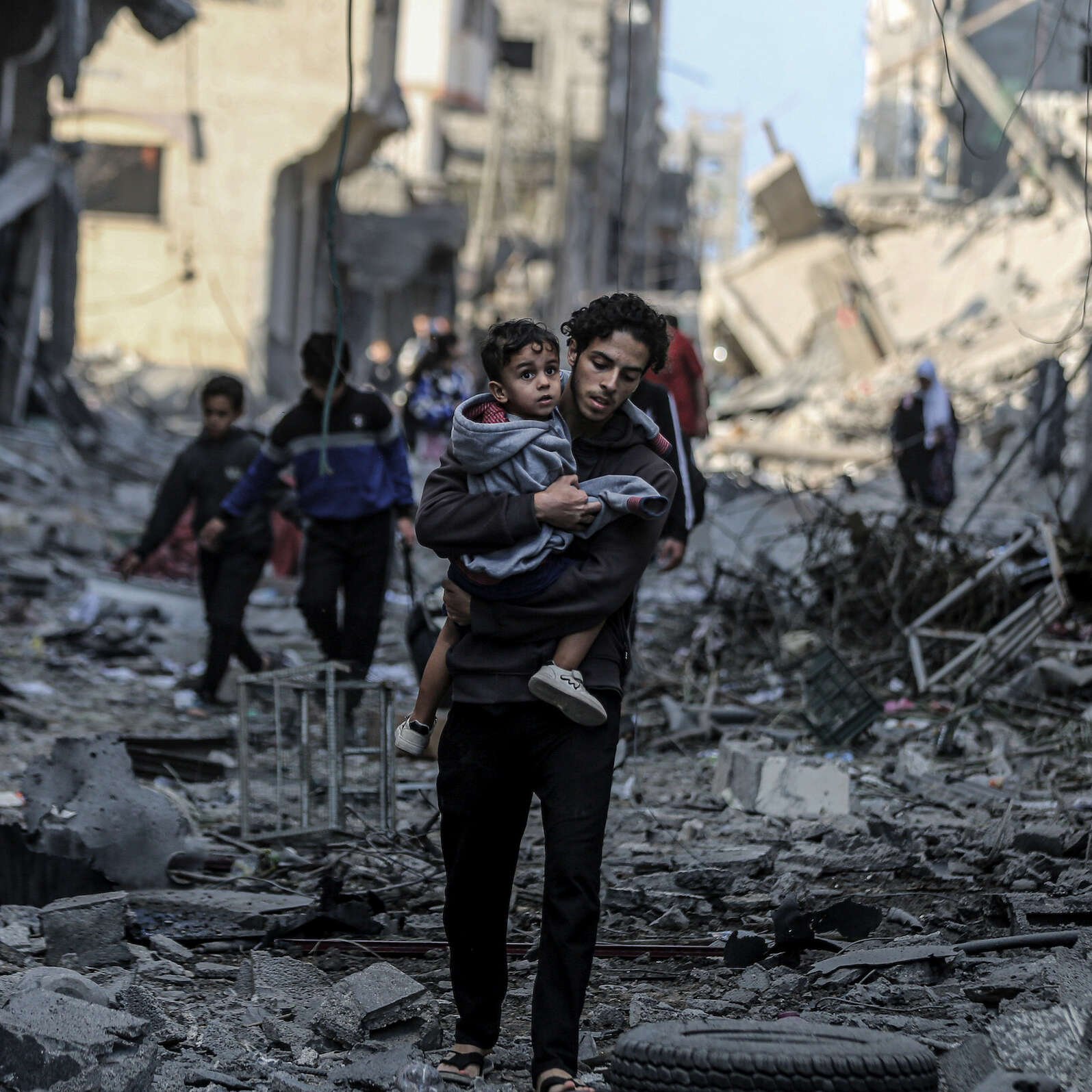
Baghdad 06 Mar 2013 - Ten years after the invasion, more than 1 million citizens remain displaced inside Iraq, including some 350,000 in Baghdad, the International Rescue Committee reports. “This is a major displacement crisis,” says Mike Young, who oversees the IRC relief programs in the Middle East. “Many of these Iraqis are living in prolonged limbo.”
 
Most of the displaced Iraqis — numbering 1.3 million, according to UNHCR, the UN refugee agency — were driven from their homes by successive surges of sectarian and political violence in the past 10 years. Today they generally can’t go back because their homes are effectively no longer theirs — others have moved into their properties in what are now religiously homogeneous communities and have made them their own. There’s an increasing acceptance that these displaced Iraqis will never be able to return to their homes.
 
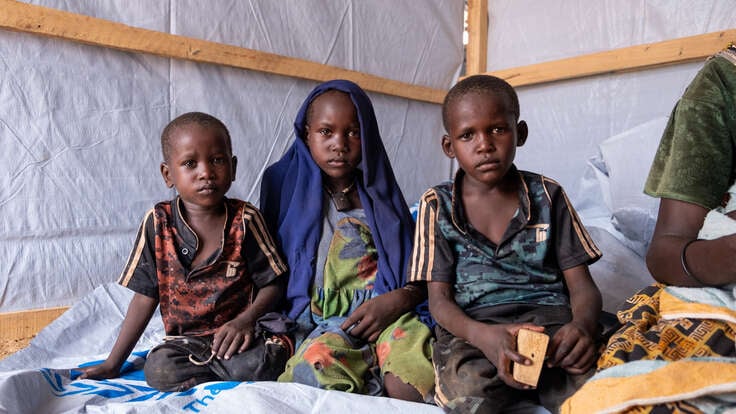
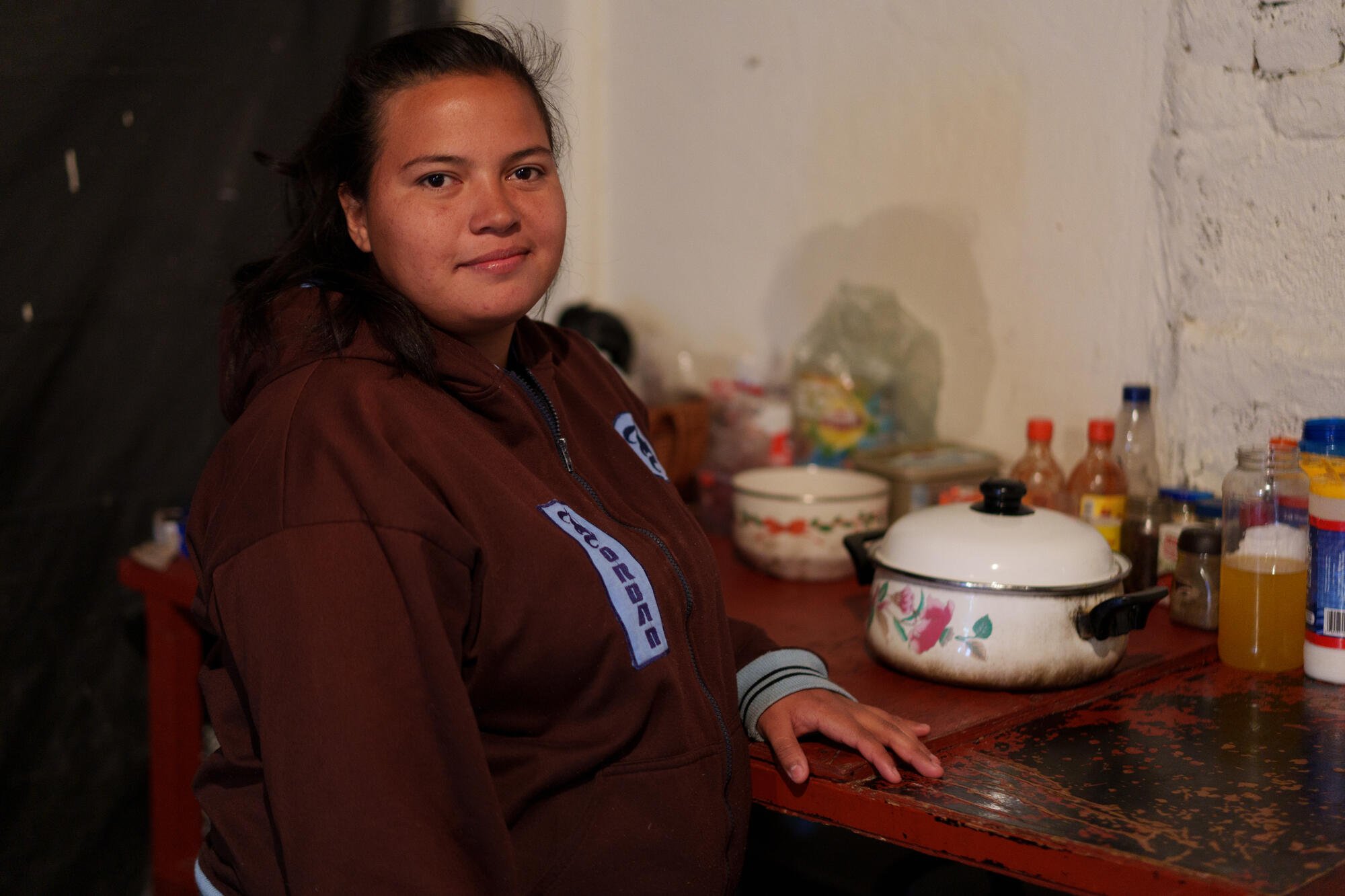
In Baghdad alone, approximately 210,000 displaced Iraqis rent apartments and homes as they await resolution. A further 150,000 who can’t afford to rent live off the grid in squalid informal settlements scattered across the city. Tensions with their neighbors are exacerbated as they compete for limited resources such as water and electricity.  “They live day to day under almost constant threat of eviction,” says the IRC’s Mike Young. “Most have limited or no access to essential services such as health care, education, electricity, water or sanitation.”
 
Across Iraq, there are some 380 of these ad hoc settlements where displaced Iraqis live in abandoned buildings and makeshift shelters on private or government land from which they could be removed at any time. And there’s been a sharp increase in eviction attempts. In the past year, International Rescue Committee protection teams have responded to eviction orders in 33 informal settlements in five governorates in which the IRC works, staying the removal of 2,568 families. However, despite the best efforts of the IRC, UNHCR and the IRC’s partners, 455 families were evicted last year.  
 
IRC legal teams in eight of Iraq’s 18 governorates are also providing critical legal assistance to displaced Iraqis, helping them replace essential documents that may have been lost or stolen. Without them, Iraqis are unable to prove property ownership, enroll their children in school, or obtain employment, medical care and food aid.
 
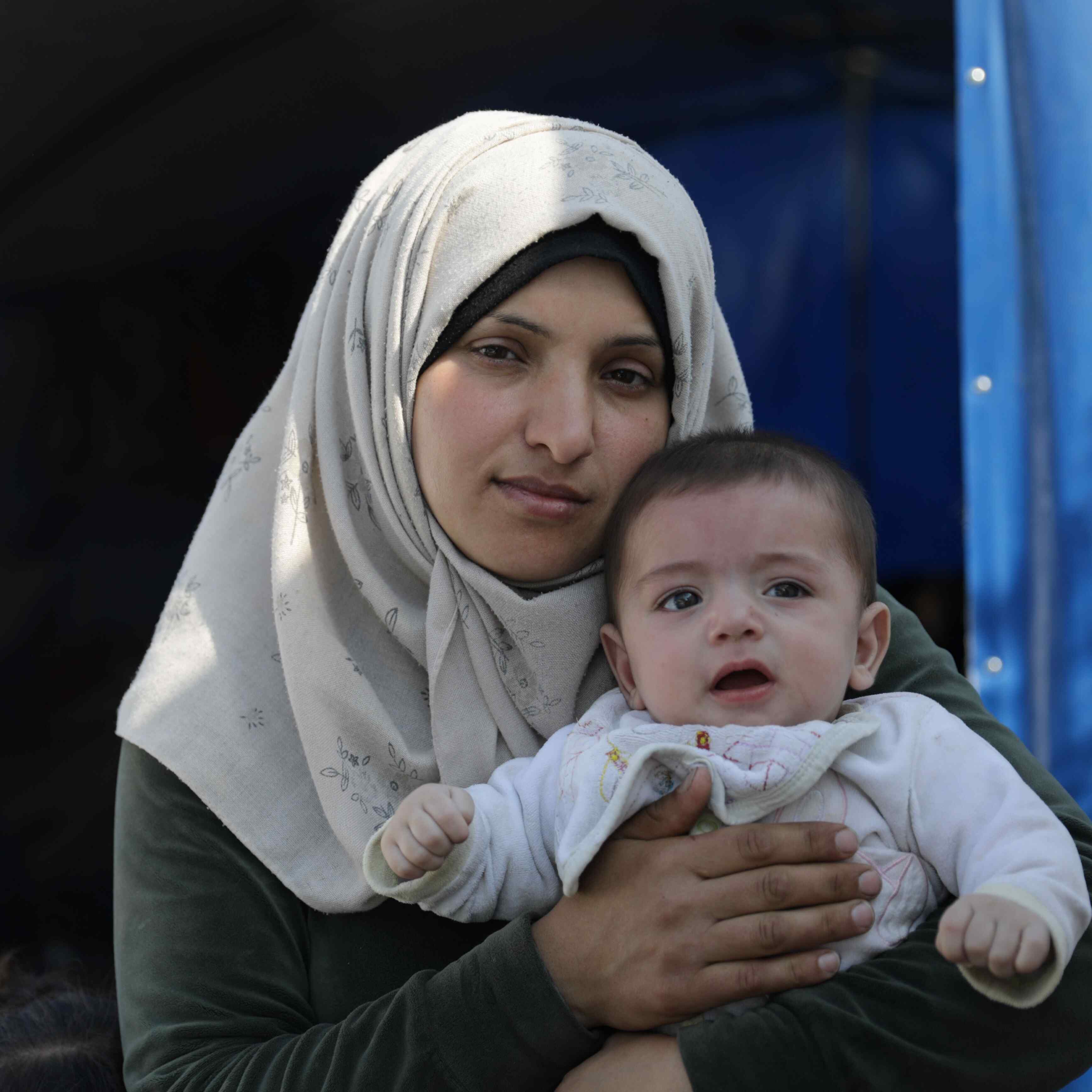
Added to the mix is a new influx of some 70,000 returning Iraqi refugees, and more are arriving every day. In a tragic irony, these Iraqis have become refugees twice over. Large numbers fled to Syria during a particularly violent period in 2006 and 2007, only to begin returning last summer, fleeing Syria’s worsening civil war. Many of these returning refugees no longer have a home to go back to in Iraq and are living in grim conditions. They share the same needs as other displaced Iraqis; IRC monitoring indicates shelter and jobs as their primary needs.

While the Iraqi government does have a comprehensive strategy for resolving displacement, implementation will be a lengthy and complex process. Under this strategy, there are options to build new housing for the displaced where they are now situated, relocate them to another location, or provide financial incentives to move elsewhere. However, all of these proposals must take into account the wishes and needs of these most vulnerable Iraqis and consider factors such as the ability to access jobs and services. Given that viable solutions could take years to achieve, the IRC says immediate help must be provided to ensure that Iraq’s displaced not only have access to an adequate standard of living, but are protected from forced eviction.
 
 “Many of these are the poorest of the poor,” says IRC Country Director Laura Jacoby. “We must improve conditions for all of these displaced and provide them with the essentials that so many of the rest of us take for granted. If not, they risk becoming a generation without hope or opportunity.”    
 

Contact:

Ned Colt (Amman)
+962 775 066 652 / Ned.Colt@rescue.org

Vanessa Parra (New York)
+ 1 646 318 7307 / Vanessa.Parra@rescue.org

Paul Donohoe (London)
+44 7779 624 385 / Paul.Donohoe@rescue-uk.org