Pakistan Floods
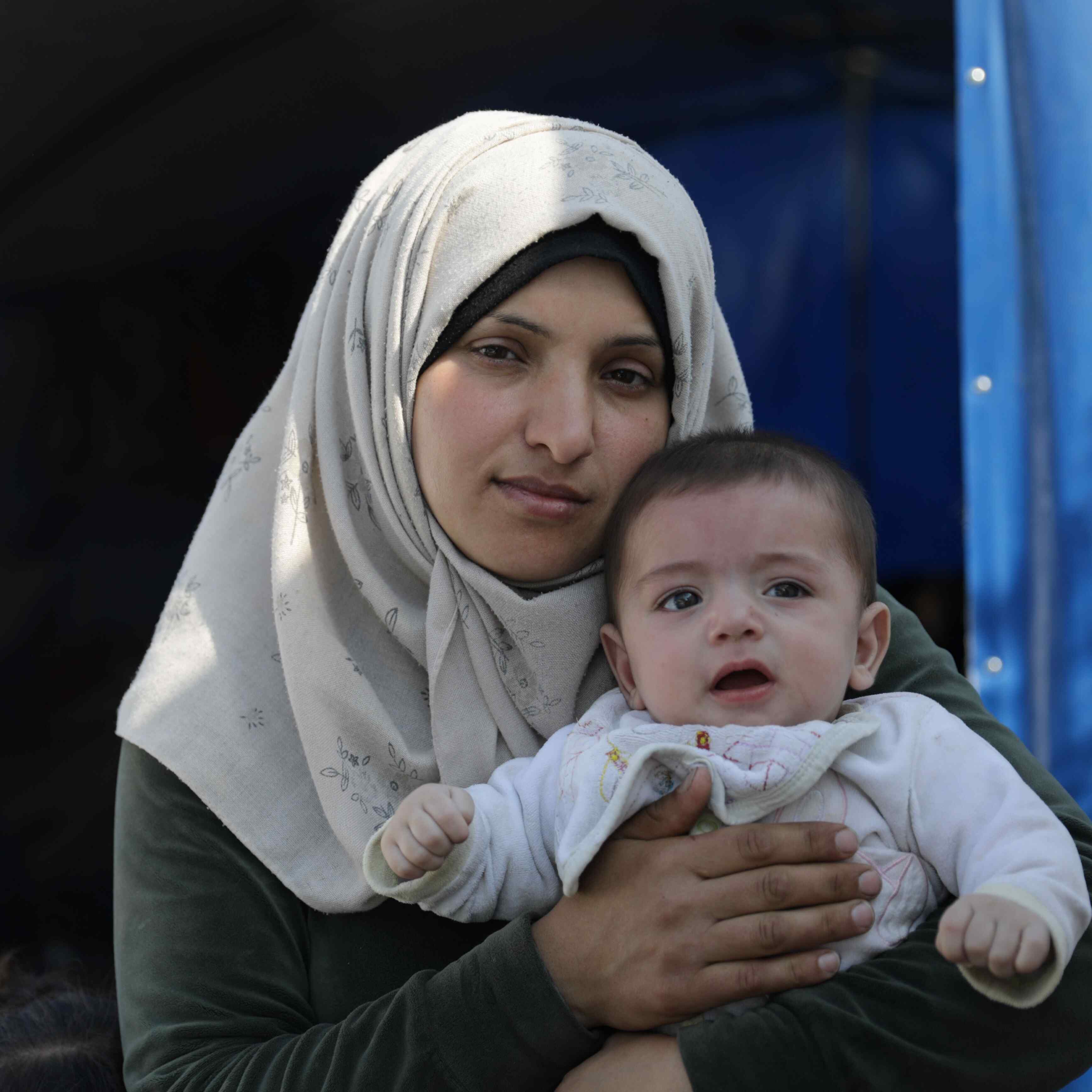
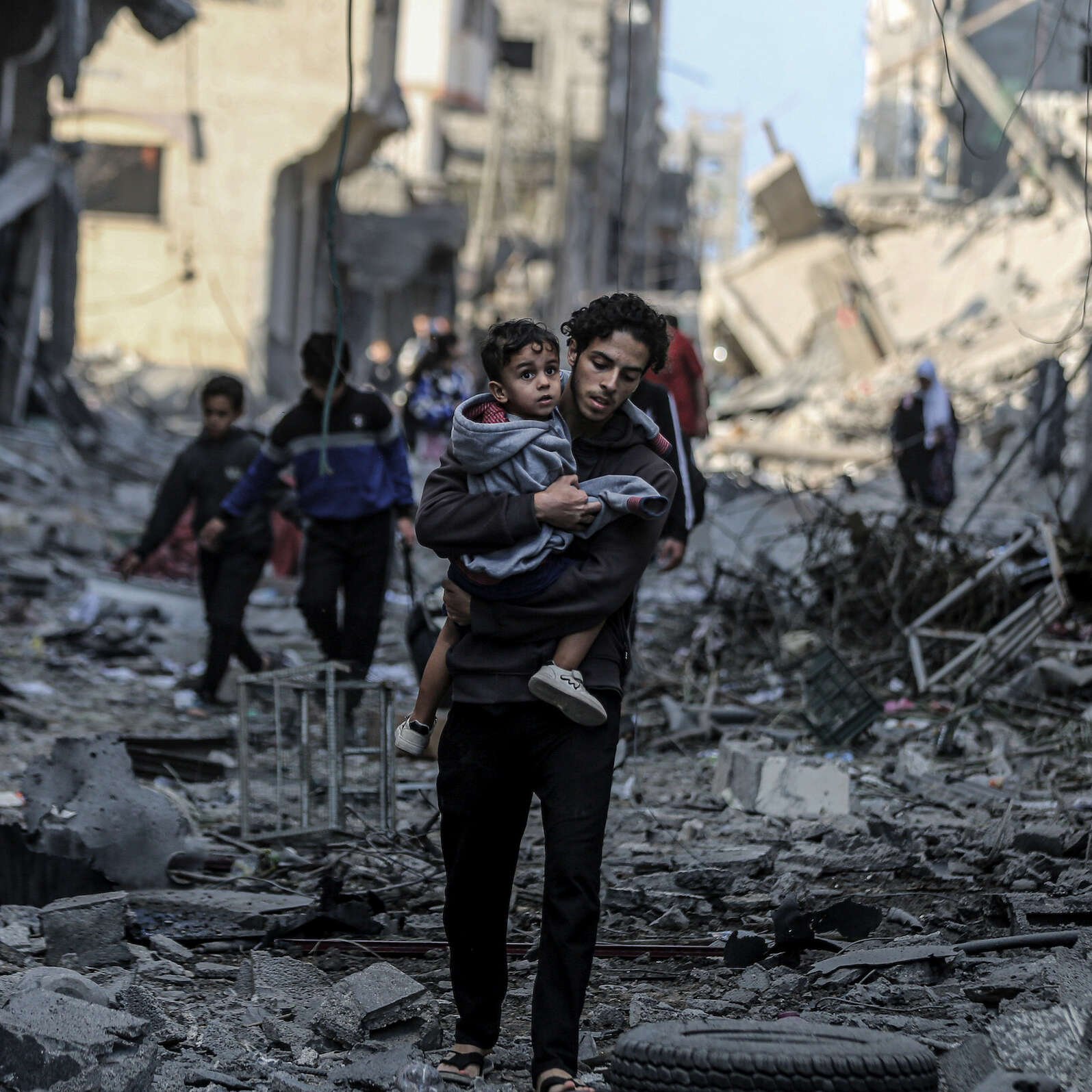
More than a year later, the humanitarian crisis brought about by the worst flooding in Pakistan’s history is far from over. The International Rescue Committee is continuing to provide clean water and health care, and helping hard hit communities to rebuild vital infrastructure and kick-start their local economies.
The Latest
Return to Azakhel
A year ago the Azakhel Refugee Camp in western Pakistan was home to thousands of Afghan refugees. Many had lived there their entire lives and had build sturdy mud brick homes. But in August of 2010, the worst flash floods in living memory roared through the camp, washing the homes away. The IRC's Peter Biro documented the conditions with his camera immediately after the waters began to subside. Peter's colleague Ned Colt went back to Azakhel in the summer of 2011 to see what had changed.
More Slideshows ›
How We Help
- In the wake of the 2010 floods, the IRC's aid directly supported close to a million Pakistanis
- We rebuilt flood-damaged homes and schools, reconstructed roads and paths, and repaired and installed wells and latrines
- We hired villagers to help rebuild infrastructure, providing families with an income and sparking local economies
- We provided health care to 100,000 people by supporting two rural health centers and two mobile medical clinics
- We helped more than 100,000 uprooted people to replace important legal documents lost to the floods or conflict
- We broadcast radio programs that informed families about available assistance and conditions in their home villages
See more stories about the IRC's response to the flooding in Pakistan
FLOOD RECOVERY

Photo: Peter Biro/IRC
The IRC is continuing to help families and communities in Pakistan recover and rebuild. These efforts include:
- Distributing seeds, fodder and 8,000 goats to farmers who were affected by flooding
- Providing 120 farm families with hermetically sealed storage containers to protect grain from water damage and insects
- Working with veterinarians and agricultural experts to teach small farmholders how to better protect livestock and crops