Since 1933, the IRC has provided hope and humanitarian aid to refugees and other victims of oppression and violent conflict around the world.
Recent Posts
The IRC on Twitter
VOICES FROM THE FIELDTHE IRC BLOG
Haiti in 2010: Turning rubble into renewal
The International Rescue Committee was the first aid agency in Haiti to train case workers to identify and register missing children.
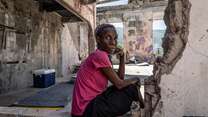
Conditions in Haiti are only marginally improved today from what they were when the earthquake struck on January 12, 2010. On a recent visit to Port-au-Prince, I was stunned by the mountains of rubble still waiting to be cleared. Camps providing shelter to more than one million displaced children and adults appeared orderly and well managed, but there has been scant progress toward finding permanent new homes for the displaced. And with water, sanitation, health care, and other essential services barely functioning in city neighborhoods, even residents with habitable homes are moving into camps to meet their basic needs.
The International Rescue Committee is not involved in Haiti’s housing issues, but those issues provide a backdrop for our work. Since arriving within a few days of the disaster, we have focused our efforts on specific areas where our expertise could best serve anxious survivors. These priorities include family reunification, which has reconnected nearly 150 lost or separated children with parents or family members. Each reunification is the gratifying result of painstaking investigation, identity checking, and other safeguards to ensure that children are reunited with the correct family members. Health care, especially for women, is provided through a network of IRC clinics. And we are helping traumatized children confront their demons and move forward through a variety of enriching programs in our Child Friendly Spaces inside camps.
An outbreak of cholera in late October has added another challenge, and the IRC has been responding with cholera prevention facilities in 30 locations, hundreds of truckloads of safe drinking water, and more. Over 2,500 people have died from the disease, and increasingly the population is calling for a more vigorous public response. Please know that the IRC is doing absolutely all that we can in the camps where we work. As this outbreak progresses, you may learn more about our current activities and progress by visiting our Haiti Crisis Watch report at theIRC.org/haiti.
How to Help
Become a Rescue Partner today: The IRC depends on monthly donors — our Rescue Partners — for the ongoing support we count on to help us rescue lives during emergencies as well as continue our long-term efforts to rebuild war and disaster zones all over the world.
90 cents of every dollar the IRC spends goes to programs and services that directly benefit people who are struggling to survive in the wake of conflict, persecution, violence, or natural disaster.
No comments yet.
Voices From...
Contributors


Comments
Post new comment