News, Photos & Videos › Blog › The IRC in Haiti today
Since 1933, the IRC has provided hope and humanitarian aid to refugees and other victims of oppression and violent conflict around the world.
Recent Posts
The IRC on Twitter
-
RT @So_Jo1: @theIRC's Felix Leger on VOA today t.co/vzvenVNEJ1
May 22, 2013
-
RT @So_Jo1: @theIRC will provide 70,000 liters of clean water daily--enough potable water for 5,000 people a day to drink, cook and bathe #…
May 22, 2013
-
Less than 10 yrs after fleeing Somalia, Amal Kahim Jama & her family became refugees again, in Syria: t.co/wZkmKWqy00 via @AJEnglish
May 22, 2013
-
@IRCPress You've been quoted in my #Storify story "Crisis in Darfur, 10 Years On" t.co/guLOti8F02
May 21, 2013
-
RT @IRCPress: Race against time to aid new #Darfur #refugees in Chad before rains begin: t.co/z6eDBFeR1I
May 21, 2013
VOICES FROM THE FIELDTHE IRC BLOG
The IRC in Haiti today
January 11, 2012
By The IRC
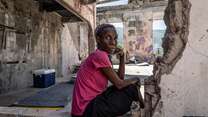
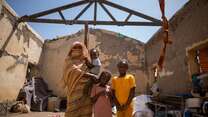
Photo: Gerald Martone/IRC
Two years after a devastating earthquake killed 200,000 people and left 1.5 million homeless in Haiti, the International Rescue Committee continues to aid survivors.
More than 500,000 people remain in crowded camps and settlements as the country slowly recovers and rebuilds. Conditions in the camps are deteriorating because funding for vital services like water, sanitation and protection is dwindling.
- IRC teams work not only in camps but also in neighborhoods that lack basic services. We focus on helping the most vulnerable, including single mothers, at-risk adolescents, separated or orphaned children, the elderly, and people with disabilities.
- IRC teams continue to assist separated children in camps, orphanages and urban neighborhoods. The IRC has reunited nearly 800 separated families.
- IRC child friendly spaces remain a refuge to children in camps and must continue to be supported as long as children remain in the settlements.
- New programs for adolescent girls focus on mentoring them, keeping them safe from sexual exploitation and offering new opportunities through skills training.
- IRC teams continue sanitation services in camps – lifesaving programs that must be maintained until people are able to move.
- IRC teams are also repairing or establishing water points and latrines at health facilities, schools and in impoverished neighborhoods.
- Intensive hygiene education programs continues to help prevent the spread of diseases.
Take a look back at our emergency response in Haiti after the earthquake.
To Help
Donate Now: Make a tax-deductible gift to help the IRC aid people at their moment of greatest need.
Posted in Emergency Response, Caribbean, Haiti | Tags: Haiti Earthquake, natural disasters, emergency response, Haiti Two years On
No comments yet.
Voices From...
Contributors


Comments
Post new comment