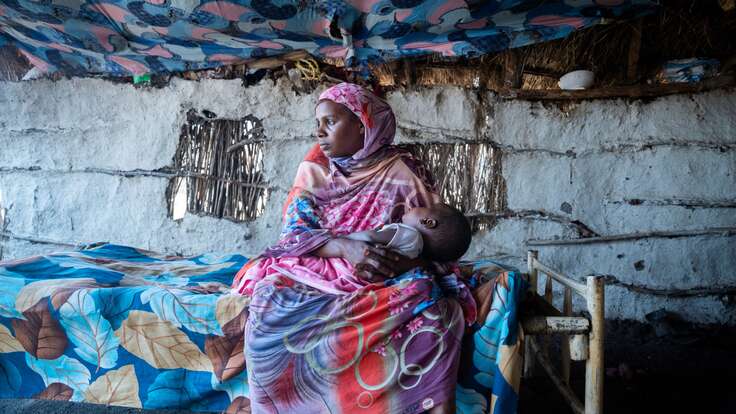
The International Rescue Committee’s (IRC) annual Emergency Watchlist highlights the 20 countries most at risk of new or worsened humanitarian emergencies. For more than a decade, this report has helped the IRC prepare for emergencies and deliver lifesaving services, accurately predicting 85-95 percent of the worst humanitarian deteriorations annually.

The 2026 Watchlist sounds the alarm on a dangerous divergence: as humanitarian crises surge, global support is collapsing. The 20 countries on the Watchlist are home to just 12 percent of the world's population but account for 89 percent of people in humanitarian need, and nearly 50 percent of those in extreme poverty.

Other Watchlist countries in alphabetical order: AfghanistanCameroon, Chad, Colombia, Niger, Nigeria, Somalia, Syria, Ukraine, Yemen 

5 key facts: The 2026 humanitarian crises in numbers
  • More armed conflicts globally than at any time since World War II—half are in Africa
  • 1,000 people killed seeking medical care in the first 6 months of 2024—60x more than the same period in 2023
  • Attacks on schools are up by nearly 50 percent
  • 239 million people in humanitarian need globally
  • 117.3 million people forcibly displaced worldwide
  • 83 percent of USAID programs cancelled by March 2025, including critical funding for health programs
What is the New World Disorder?

The rules-based international order built after World War II is disintegrating, and a New World Disorder is taking its place. This emerging system is defined by three key features that are fueling crises in Watchlist countries:

  • More rivals, more risks: A wider cast of geopolitical and regional powers are competing for influence, and as rising nationalism leads political forces to define national interests in increasingly narrow terms, the result is an unpredictable global landscape where rivalry and competition are the norm.
  • Shifting alliances: Traditional alliances are becoming less common. Instead, governments and armed groups are now choosing multiple partners, a practice known as "multialignment." They are essentially shopping around for support, securing weapons, investment, or diplomatic protection from whichever backer provides the best deal.
  • Transactional deal-making: Countries are focusing on short-term, power-driven deals instead of long-term cooperation based on shared rules. They prefer quick, one-on-one agreements for immediate benefits, often seeing these deals as a zero-sum game. This weakens shared norms and institutions.
How is the New World Disorder affecting humanitarian crisis?

Three key forces are driving destructive consequences and dangerous incentives, fueling a surge in global crises:

  • Eroding global cooperation on shared goals: International efforts to tackle challenges like climate change, poverty, and pandemic prevention are breaking down, leaving vulnerable communities without crucial support.
  • Commercializing conflict for power and profit: Armed conflicts are increasingly driven by profit, with wars prolonged for territorial, political, and financial gain. This shift makes conflicts deadlier and harder to resolve diplomatically.
  • Violating individual rights and protections: Civilians, aid workers, and refugees are facing systematic attacks as international humanitarian laws are ignored. Targeting civilian populations has become a calculated strategy in modern warfare.

    These forces create a dangerous cycle, intensifying humanitarian crises while undermining the global cooperation and resources needed to address them.
What can we do?

The problems stemming from the New World Disorder are not without solutions—but political will is needed to turn them into real action and protection for people living in Watchlist countries. Some actions the international community can take: 

  • Prioritize diplomacy over profit: Conflicts driven by profitable war economies are increasingly resistant to traditional diplomacy. Achieving sustainable peace demands more inclusive peacebuilding processes, and the active dismantling of the war economies that fuel conflict and an unblocking of the United Nations Security Council..
  • Protect people in crisis: Leaders must reverse the growing impunity for war crimes, restrictions on aid, and denial of migrant’s rights. Reaffirming and enforcing the laws and norms that protect civilians, guarantee access to humanitarian assistance, and uphold the right to seek safety is essential.
  • Redefine the future of aid: With global crises surging and aid systems retreating, donors recommit to foreign aid, funding high-impact and cost-effective interventions in fragile and conflict-affected states, ultimately building a sustainable aid system for the future.

Read the IRC’s full list of recommendations in the 2026 Watchlist.

Our analysis

The report uses a rigorous, multi-stage process that deploys 74 quantitative and qualitative variables, as well as qualitative insights from the IRC's experience working in more than 40 countries around the world. This process identifies which countries to include and where to rank them based on probability and impact of armed conflict, economic turmoil, climate crisis, and other shocks.

A detailed description of the methodology can be found here.
Sudan remains in deep crisis, with over 10M people displaced and nearly half the population in need due to conflict [..] It is extremely difficult for many displaced people to return, even in accessible or stable areas.
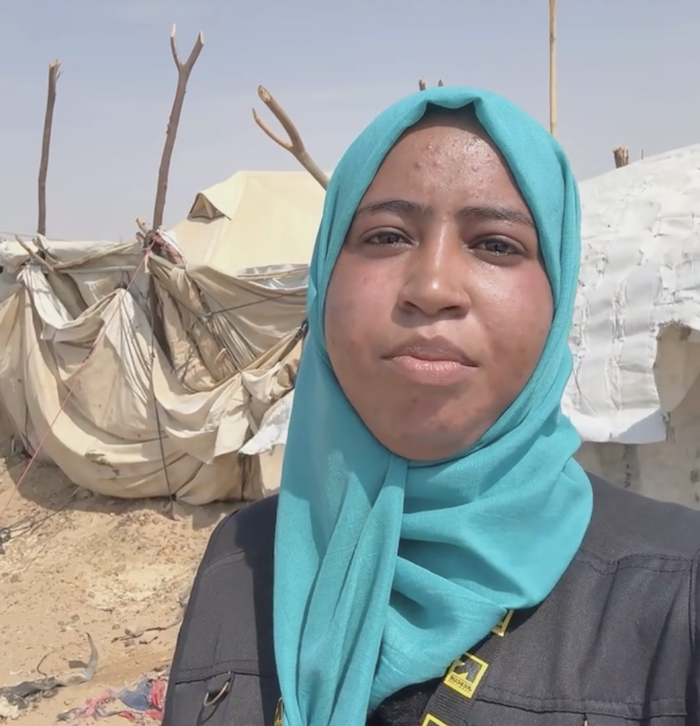
A woman wearing a blue hijab looks into the camera
The largest humanitarian crisis on record.
Learn more
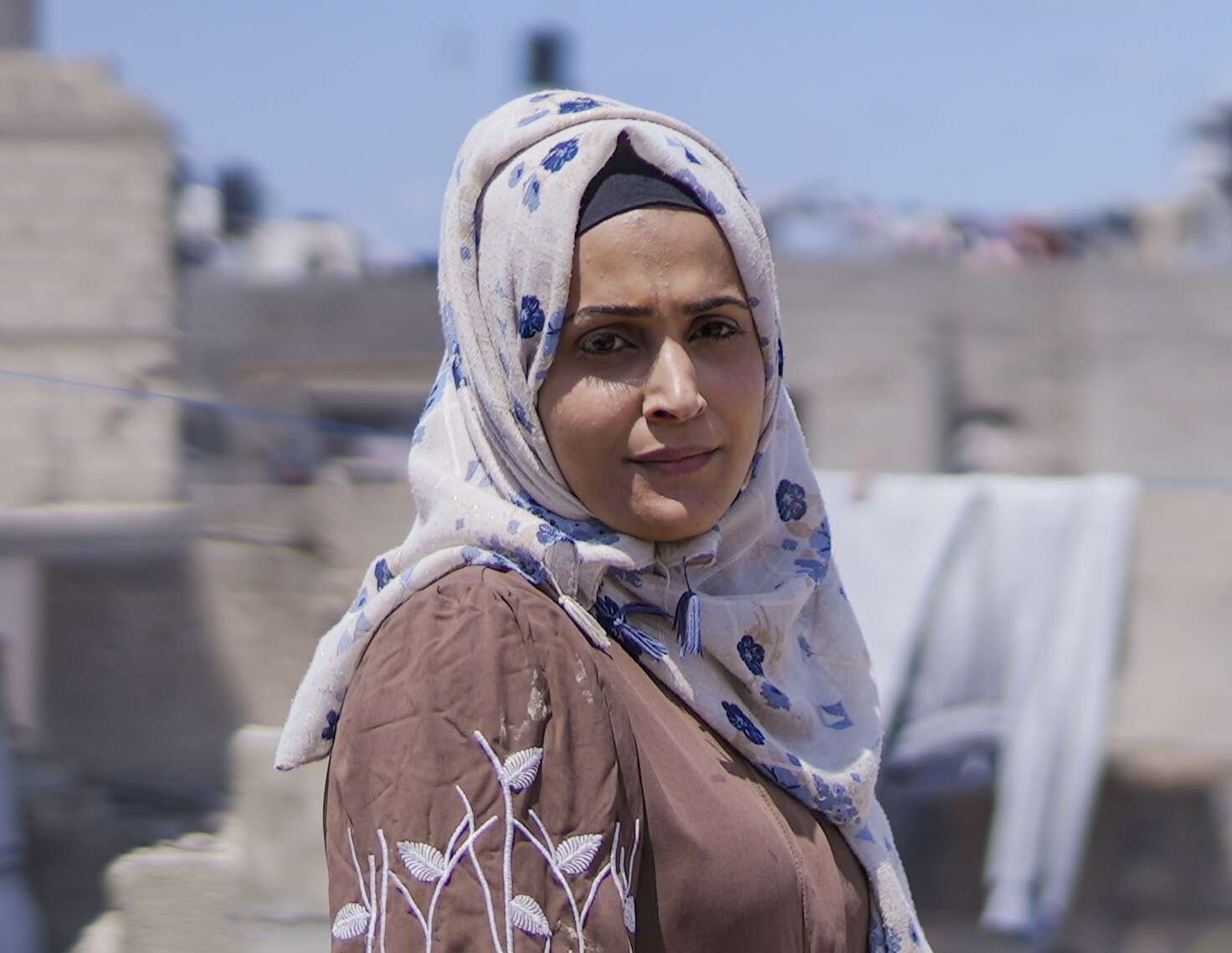
We were sheltering in tents. Water was scarce. Food was scarce. My three children constantly suffered from malnutrition because of the lack of food. The situation was very difficult.
A woman in a white hijab and brown burqa turns and looks into the camera
Find out how the IRC is delivering lifesaving aid to Palestinians.
Learn more