Gaza
Over 72,000 Palestinians have been killed in Gaza, according to OCHA, which bases its figures on the Gaza Ministry of Health statistics, and more than 173,000 have been injured since October 7, 2023. Israeli forces began airstrikes and ground operations after Hamas and other armed groups launched a deadly ground incursion and rocket barrage on southern Israel.
A ceasefire was reached on October 10, 2025, but it has been frequently violated and has not sufficiently addressed the massive humanitarian needs in Gaza.
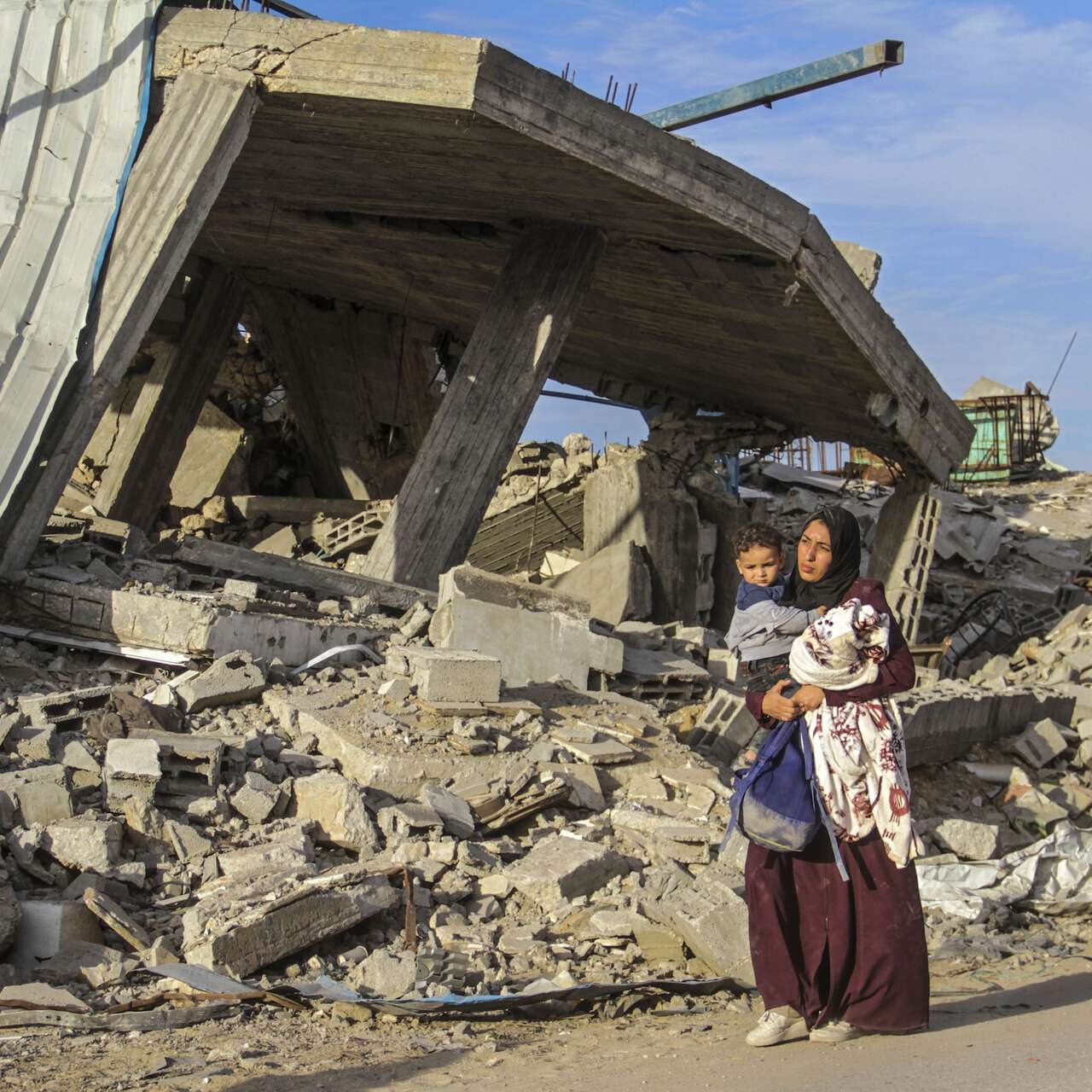
With most of Gaza’s housing destroyed, 1.7 million people continue to shelter in 1,600 displacement sites across Gaza, where they face overcrowded conditions and limited access to essential services. Meanwhile, 1.6 million people are still experiencing high levels of food insecurity, or worse, even as assistance from aid organizations has empowered fragile gains since a famine was declared in August 2025.
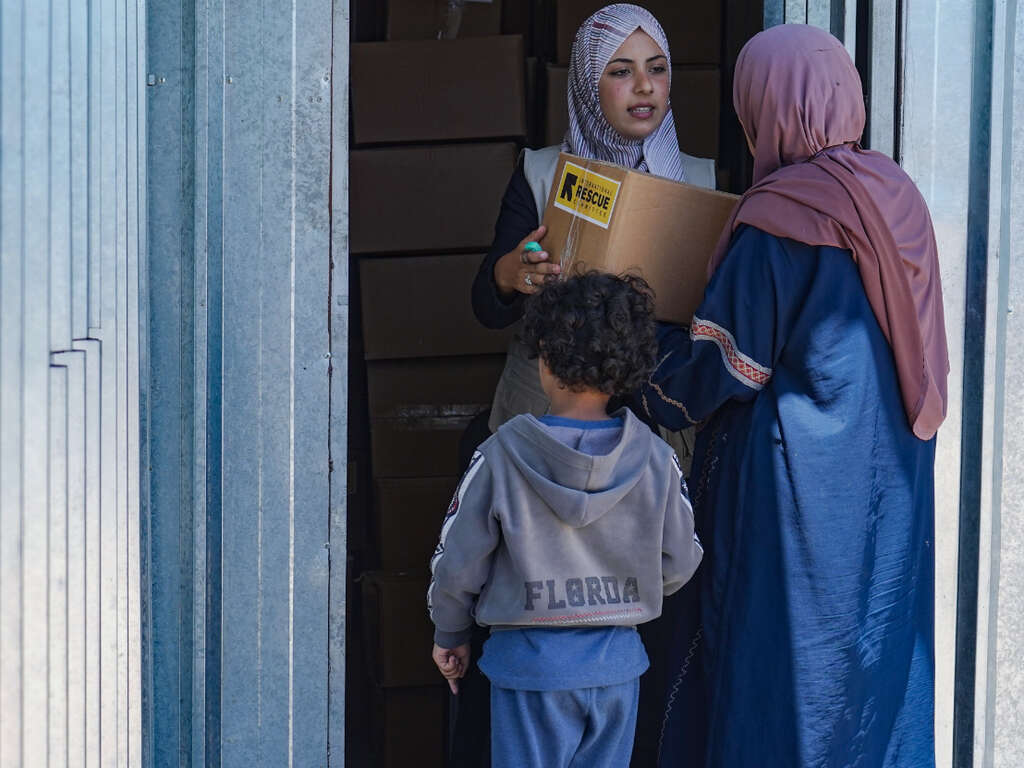
The International Rescue Committee (IRC) and its partners are delivering essential humanitarian services across the occupied Palestinian territory, including health, nutrition, protection, psychosocial support, and early childhood development in both Gaza and the West Bank—donate now to help sustain and expand this lifesaving work.
On Friday, October 10, 2025, a ceasefire went into effect. However, it has been repeatedly violated and has not sufficiently addressed the massive humanitarian needs in Gaza. Restrictions on aid continue to make it impossible for families to access basic necessities, while the war has left Gaza's infrastructure shattered beyond recognition.
An assessment found that human development across Gaza has been set back 77 years, with $71.4 billion needed over the next decade for recovery and reconstruction. Only slightly more than half of Gaza's hospitals remain partially operational, together with around 58% of primary healthcare centers, neither of which can function at full capacity.
Most families have been displaced multiple times and are returning to neighborhoods with no functioning services, unaffordable food and heavily damaged hospitals. Some 1,600 displacement sites across Gaza continue to host about 1.7 million people, or 354,480 households.
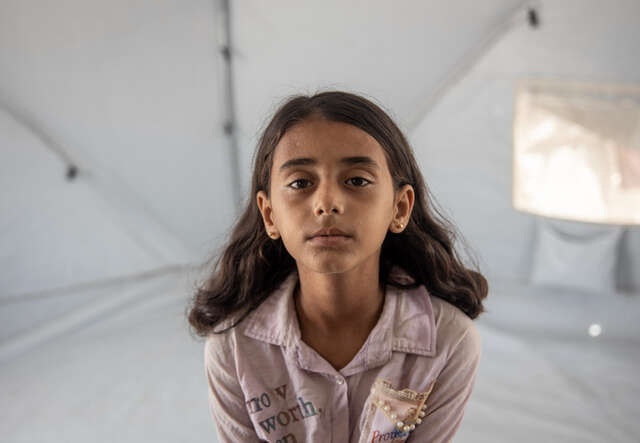
More than 100,000 children under five in Gaza are projected to face acute malnutrition and require long-term care in 2026, while three out of every four families now depend on water delivered by trucks.
Every person in Gaza is in need of humanitarian assistance.
The systemic destruction of infrastructure, markets and services has left civilians without the humanitarian relief required under international law.
Even when the ceasefire holds, it is not enough to address the immense humanitarian needs in Gaza. For the plan to be effective, the following four urgent actions must follow:
After two years of war, Gaza’s infrastructure is shattered. It will take decades of sustained support and reconstruction for communities to find any sense of normalcy again.
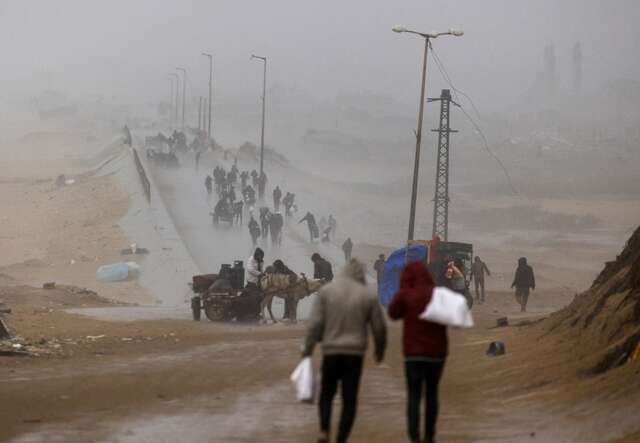
The IRC remains concerned that, although aid is now entering Gaza, it continues to fall short of what is needed to meet the immense humanitarian needs. Despite some improvements in humanitarian access, restrictions remain in place, making it difficult for Palestinians to access life-saving aid.
Throughout the war, persistent restrictions on the flow of humanitarian aid into and around Gaza have driven a desperate shortage of food, fuel, medicine, equipment and humanitarian staff in Gaza. Humanitarians have been unable to operate effectively and safely under these conditions.
Safe passage for humanitarian staff and goods must be guaranteed, all border crossings opened, large-scale humanitarian aid delivered, sustained funding secured and a lasting peace established to truly alleviate the suffering of Palestinians and initiate the reconstruction of Gaza.
Throughout the war in Gaza, the IRC has overcome serious challenges to reach Palestinians in need with vital services and save lives every day. In collaboration with our local partners, we have supported the health, education, safety and economic wellbeing of more than 430,000 people since October 2023.
The IRC is expanding our existing programming in protection, health, nutrition, economic recovery and development, and water, sanitation and hygiene.
Currently, the IRC is delivering urgent humanitarian assistance, including:
The IRC has also delivered food and water to camps for displaced Palestinians, distributed food and supported emergency medical services in the few hospitals still operating.
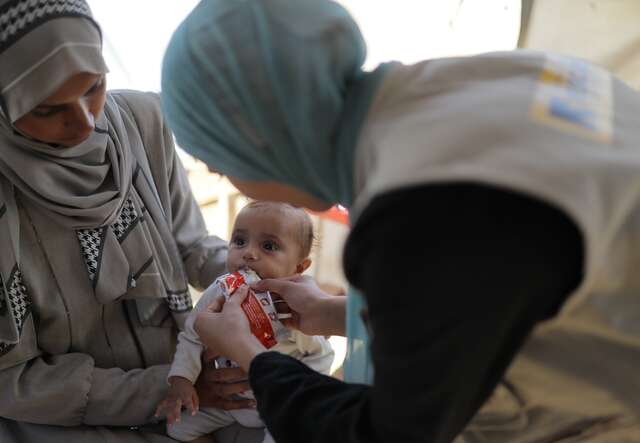
In the West Bank, the IRC and our partners have initiated early childhood development activities and support for children and families affected by violence. This includes mental health care, psychosocial support and help for survivors of abuse, as well as training frontline workers to respond in a safe and respectful way.
We are also supporting the Ministry of Health in helping communities become more resilient. This involves improving access to health services, training health workers to identify protection concerns and strengthening emergency preparedness. We're working closely with local partners to make sure efforts align with national plans, connect health services with protection support and reach the areas most in need.
A ceasefire alone will not address the massive needs in Gaza, as nearly all civilians in Gaza are in urgent need of humanitarian assistance.
Donate: Despite restrictions on aid delivery, the IRC continues to reach Palestinians with lifesaving health care, cash and emergency support. With operations in more than 40 countries around the world, your donation to the IRC will deliver critical aid where it's needed most.
$80 can provide medical care for a malnourished child throughout the course of treatment.
$250 can provide a family with the most essential necessities for survival for a month.
Our ratings: The IRC consistently earns top marks from charity watchdog groups for our efficient use of donor contributions and the effectiveness of our work.
Stay connected: Follow the latest from the IRC and share posts from our Instagram, LinkedIn, Facebook, Bluesky and X accounts with your network.
Stay informed: Read the Watchlist Midyear update and learn more about the world’s most pressing crises and what the IRC is doing to help.