Emergency Response
How to help survivors of the earthquakes in Venezuela
The IRC is providing urgent humanitarian assistance in Venezuela—support our work.
The IRC is providing urgent humanitarian assistance in Venezuela—support our work.
The International Rescue Committee (IRC) is scaling up services to support survivors of the two deadly earthquakes that struck Venezuela on June 24th.
Severe damage across Venezuela and over 6,500 deaths and 16,000 injuries have been reported.
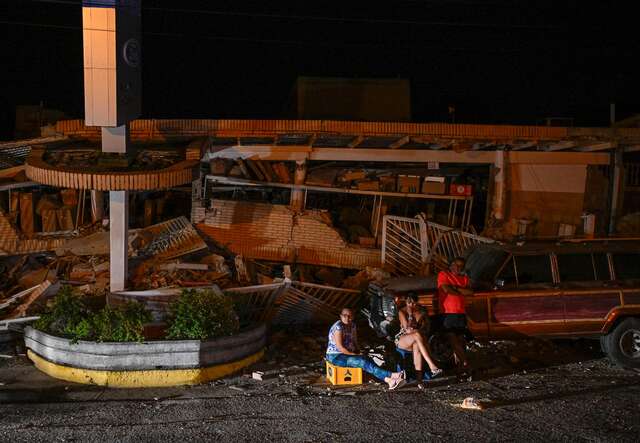
Immense devastation has been recorded—more than 800 buildings have been affected while the national water system has failed across seven states. Nearly 18,000 people have lost their homes.
As international emergency medical teams wind down operations in Venezuela, approximately 9 million people in the country still need humanitarian support.
Donate now to support the IRC as we deliver humanitarian assistance in Venezuela and to communities facing crises around the world.
Two deadly earthquakes, measuring 7.2 and 7.5 in magnitude, struck about 100 miles west of Caracas, Venezuela, on June 24th. They are the largest to strike the area in more than a century.
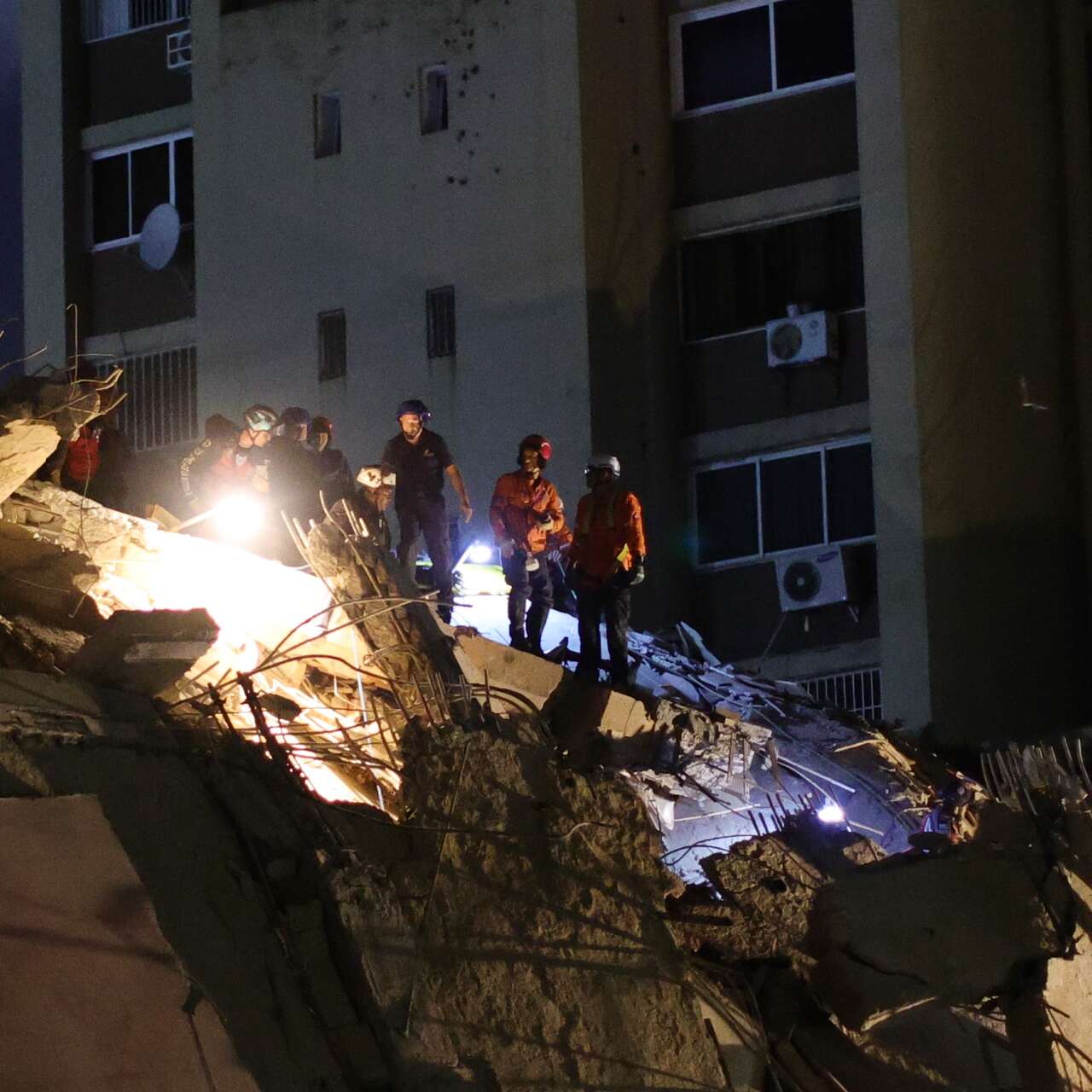
There have been more than 6,500 confirmed fatalities and over 16,000 injuries. Both figures are expected to rise as rescue crews search through the debris of collapsed buildings.
IRC teams and partners on the ground in Caracas and La Guaira reported tens of thousands of people missing beneath collapsed buildings, and survivors across multiple states struggle to find safe drinking water. Air quality in rubble zones has severely deteriorated due to concrete dust and unrecovered remains.
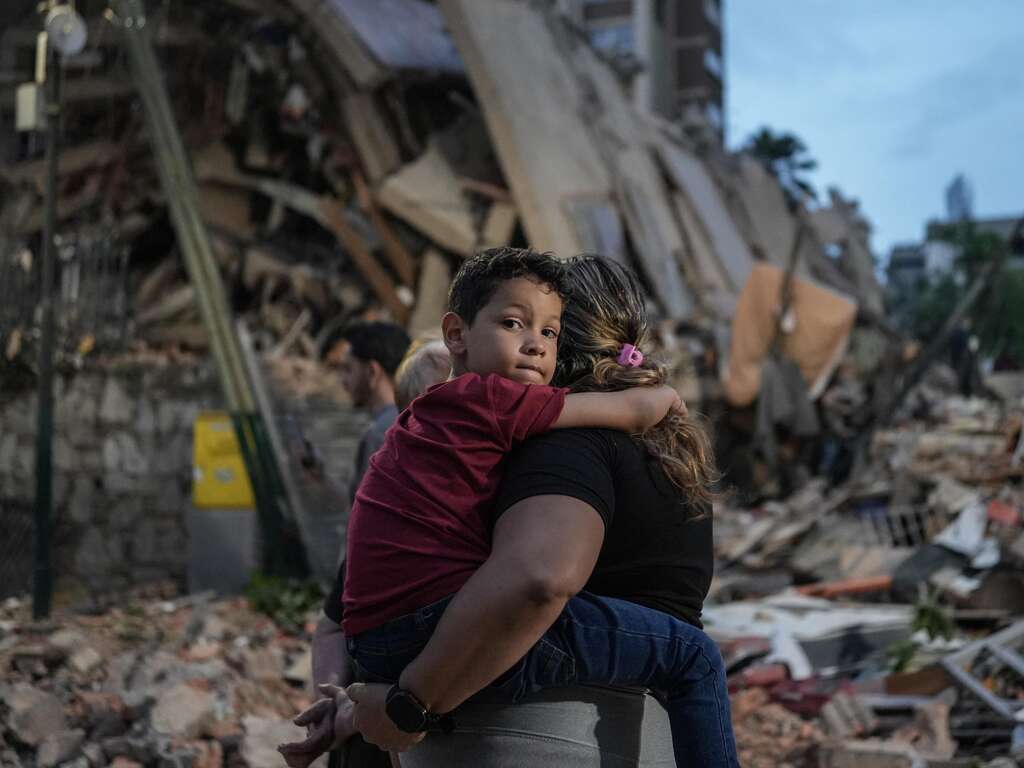
With nearly 18,000 people having lost their homes, many survivors are displaced in shelters rather than risk returning to structurally compromised buildings. The fear is acute—more than 1,500 aftershocks have been recorded since the initial quakes struck.
Venezuela’s national water system has been severely compromised, creating concerns of the rapid spread of waterborne and airborne disease—a risk that will only intensify as the initial rescue phase winds down and international attention wanes.
Schools in affected areas have been turned into emergency shelters, housing entire families who left their homes in seconds with only the clothes on their backs. There is a shortage of everything: food, water, medicine, basic supplies.
"What we are seeing is catastrophic," said Nicole Kast, IRC Venezuela Country Director.
"People have lost everything in a matter of seconds."
The IRC launched an emergency response to meet the needs of communities affected by the earthquakes. This response builds on the IRC’s long-term programming in Venezuela, which includes health, protection, livelihood assistance, and education services.
The IRC has warned that a public health emergency is unfolding in Venezuela following the earthquakes. Thirty-eight hospitals were damaged by the earthquakes, with at least 20 health facilities facing severe shortages of vital medical supplies.
An IRC assessment found that damaged and non-operational health facilities have cut off primary health services for as many as 124,500 people.
As health needs surge, the capacity to meet them has diminished. Several health facilities are facing shortages of water, electricity, and essential supplies that limit their ability to prevent and treat communicable diseases, including reported cases of chickenpox and diarrhea.
The IRC is prioritizing health services both in stationary centers and mobile units to meet people where they are, focusing on displaced people, the elderly, those with mobility issues, and children who may not be able to get themselves to health facilities.
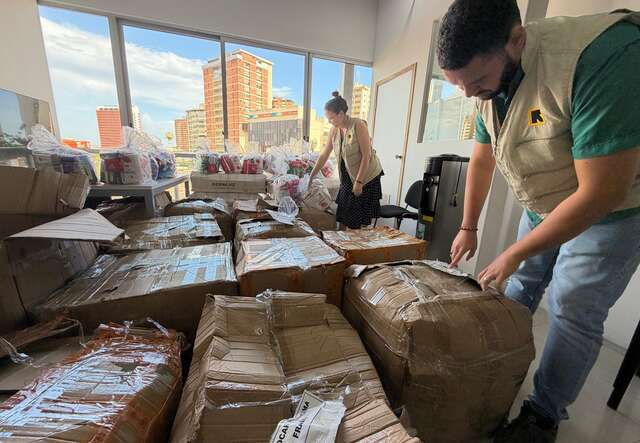
Even before these earthquakes, nearly 8 million people inside Venezuela were already in need of urgent humanitarian support. Public systems have been overstretched and many struggle to meet even their most basic needs. With national services under significant strain, essential rescue and recovery efforts may take weeks if not months.
Multi-year resource constraints, coupled with road closures, power outages, and communication disruptions, have created logistical barriers for aid delivery. In addition, Venezuela has been seriously impacted by aid cuts, limiting its capacity to respond to growing humanitarian needs.
An initial assessment by the United Nations estimated that the June earthquakes caused approximately $37 billion in direct damage to housing and infrastructure.
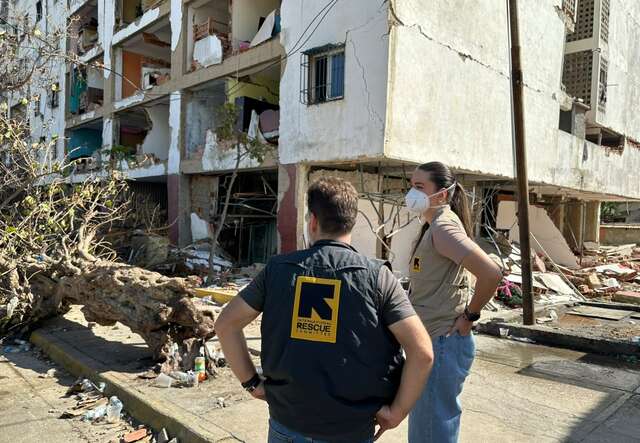
The IRC has been working in Venezuela since 2021 and reached more than 75,000 people with vital humanitarian assistance in 2025.Following the quakes, the IRC is scaled up its response to deliver life-saving assistance to those in the most affected areas.
The IRC’s emergency response to the earthquakes is focused on:
In addition to our emergency response, the IRC has been delivering humanitarian services in Venezuela since 2021, including:
We urge the international community to urgently scale up humanitarian funding and support to Venezuelans impacted by the ongoing crisis and widespread impact of these earthquakes.
IRC teams are on the ground in Venezuela delivering urgent health, protection, nutrition, water, sanitation and hygiene services. Your donation supports the IRC as we scale up humanitarian services in Venezuela.
The International Rescue Committee has over 90 years of experience helping people affected by crisis in more than 40 countries to survive, recover and rebuild their lives. We also help refugees and displaced people resettle and integrate into new communities in the U.S. and across Europe.
Our ratings: We consistently earn top marks from charity watchdog groups for our efficient use of donor contributions and the effectiveness of our work.
Get connected: Follow the IRC on Instagram, LinkedIn, Facebook, Bluesky and X.
Stay informed: Read the Watchlist Midyear update and learn more about the world’s most pressing crises and what the IRC is doing to help.