Emergency Response
How to help survivors of the earthquakes in Venezuela
The IRC is providing urgent humanitarian assistance in Venezuela—support our work.
The IRC is providing urgent humanitarian assistance in Venezuela—support our work.
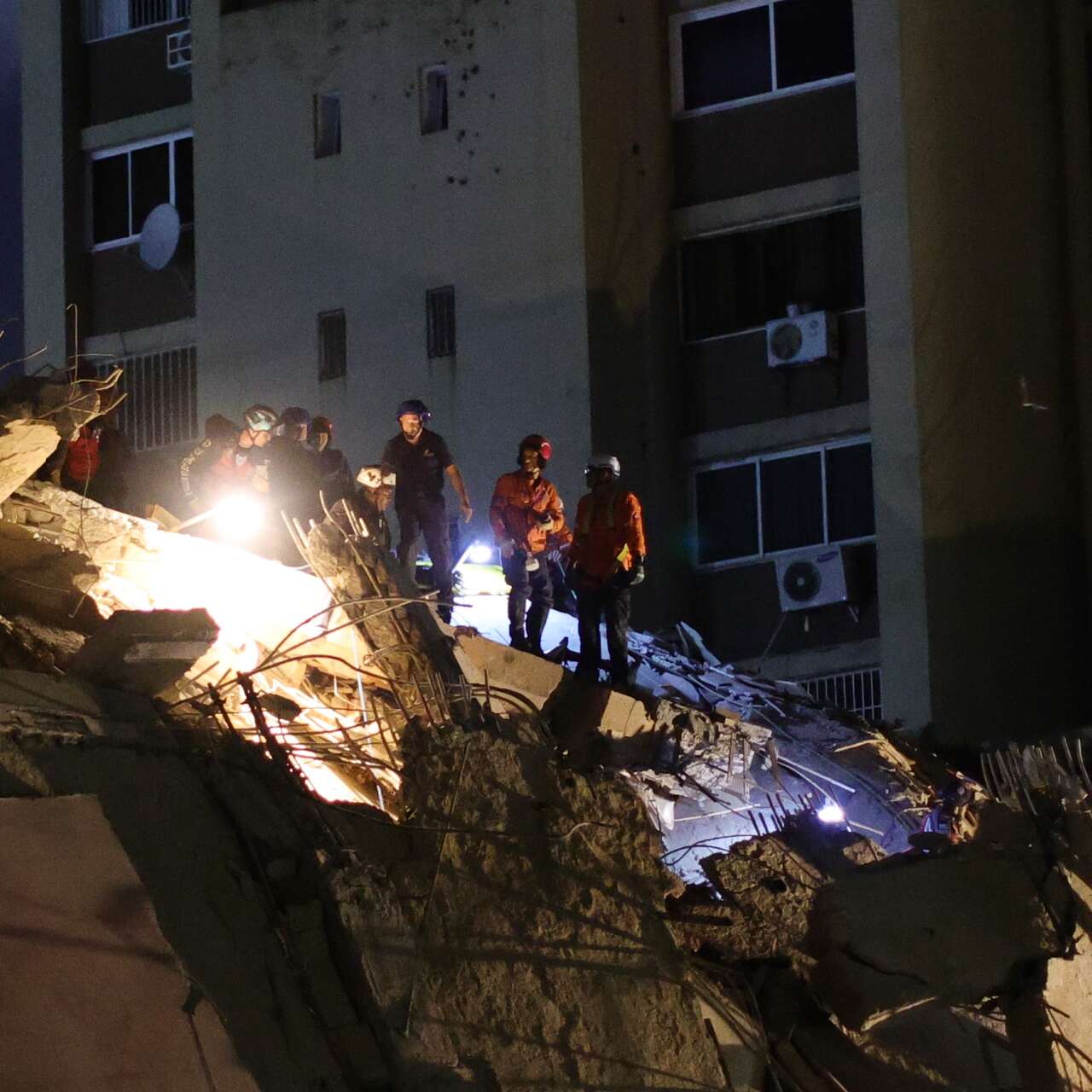
The International Rescue Committee (IRC) is scaling up services to support survivors of the two deadly earthquakes that struck Venezuela on June 24th. Severe damage across Venezuela and over 3,300 deaths and tens of thousands injured have been reported, with numbers expected to rise. Approximately 30,000 people are missing.
Immense devastation has been reported—more than 750 buildings have collapsed while the national water system has failed across seven states. Over 17,000 people have lost their homes.
These earthquakes worsen the existing humanitarian crisis in Venezuela, which, combined with recent cuts to humanitarian aid, will make the response even more difficult.
Donate now to support the IRC as we deliver humanitarian assistance in Venezuela and to communities facing crises around the world.
Two deadly earthquakes, measuring 7.2 and 7.5 in magnitude, struck about 100 miles west of Caracas, Venezuela, on June 24th. They are the largest to strike the area in more than a century.
There have been nearly 3,300 confirmed fatalities and over 16,000 injuries. Both figures are expected to rise as rescue crews search through the debris of collapsed buildings.
With over 17,000 people having lost their homes, many survivors are sheltering outdoors rather than risk returning to structurally compromised buildings. The fear is acute and hundreds of aftershocks have been recorded since the initial quakes struck. Seismologists warn these could continue for three to six months.
Venezuela’s national water system has been severely compromised. Schools in affected areas have been turned into emergency shelters, housing entire families who left their homes in seconds with only the clothes on their backs. There is a shortage of everything: food, medicine, basic supplies.
"What we are seeing is catastrophic," said Nicole Kast, IRC Venezuela Country Director.
"People have lost everything in a matter of seconds, and the need for immediate support is overwhelming. In some of the hardest-hit areas, damaged infrastructure and limited civil response capacity mean people may be trapped and unable to reach safety or be reached by those trying to help. We are working to get supplies to frontline workers as fast as possible so that lives can be saved."
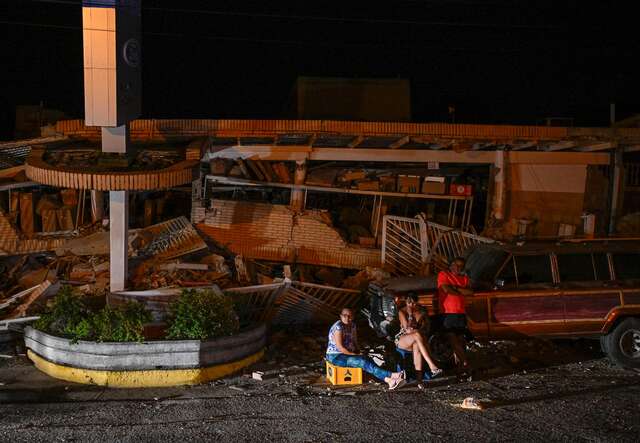
Even before these earthquakes, nearly 8 million people inside Venezuela were already in need of urgent humanitarian support. Public systems have been overstretched and many struggle to meet even their most basic needs. With national services under significant strain, essential rescue and recovery efforts may take weeks if not months.
Multi-year resource constraints, coupled with road closures, power outages, and communication disruptions, are creating logistical barriers for aid delivery. In addition, Venezuela has been seriously impacted by aid cuts over the past year, limiting its capacity to respond to growing humanitarian needs.
The IRC has been working in Venezuela since 2021 and reached more than 75,000 people with vital humanitarian assistance in 2025. As the full extent of the destruction becomes clear, the IRC is scaling up its response to deliver life-saving assistance to those who need it most.
Currently, the IRC is providing humanitarian assistance across the following areas:
We urge the international community to urgently scale up humanitarian funding and support to Venezuelans impacted by the ongoing crisis and widespread impact of these earthquakes.
IRC teams are on the ground in Venezuela delivering urgent health, nutrition, water, sanitation and hygiene services. Your donation supports the IRC as we scale up humanitarian services in Venezuela.