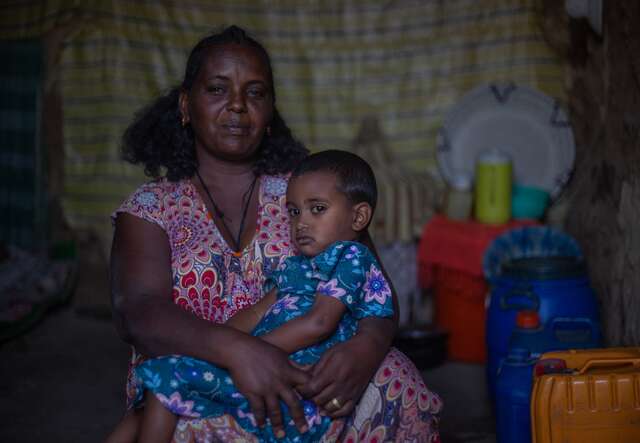
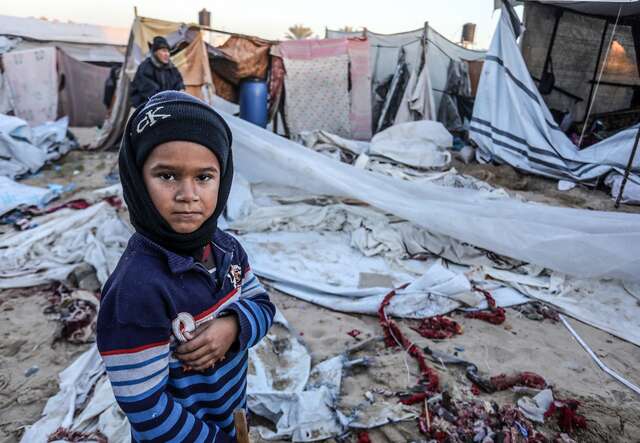
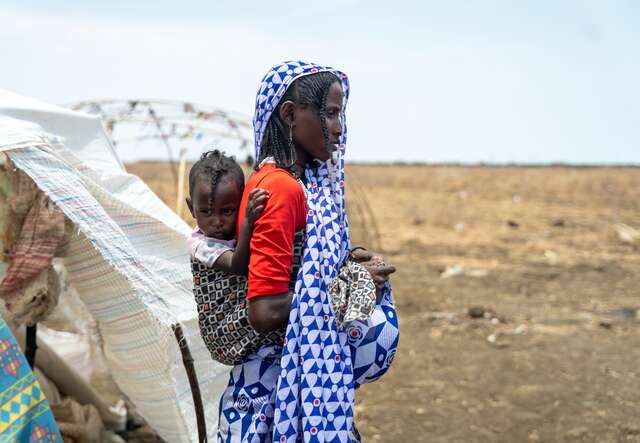
For more than a decade, the International Rescue Committee’s (IRC) annual Emergency Watchlist has accurately predicted 85-95 percent of the countries most likely to face a worsening humanitarian crisis in the coming year. The 2026 report highlights 20 countries and ranks the 10 at greatest risk, as a shifting world order leaves them to confront surging crises amid shrinking international support.
These countries are home to just 12 percent of the global population, yet account for 89 percent of global humanitarian need. In 2026, tens of millions of people are set to face deepening hunger, displacement and violence as international funding and political attention continue to decline.
Read on to learn more about the 10 countries most likely to face a worsening humanitarian crisis in 2026 and find out how the IRC is responding.
10. Lebanon: Conflict risk grows while economy fails
The threat of renewed conflict between Israel and the Lebanese nonstate armed group Hezbollah is growing, even as approximately 80 percent of Lebanon’s population lives in poverty. Fighting between the two sides in 2024 displaced 1.4 million people in Lebanon and 96,000 Israelis. A return to large-scale conflict in 2026 would overwhelm Lebanon’s fragile public services and sharply escalate humanitarian needs.
What risks will Lebanon face in 2026?
- Conflict risks new waves of displacement: A ceasefire in November 2024 brought a sustained but incomplete reduction in violence, and tensions remain high. Any renewal of major conflict in 2026 would likely displace hundreds of thousands and devastate civilian infrastructure.
- Families face extreme economic hardship: Lebanon’s economic collapse has seen its currency lose over 98 percent of its value between January 2023 and March 2024, triggering hyperinflation. Conflict has exacerbated needs, leaving 1.2 million people facing crisis or worse levels of food insecurity, where people are forced into desperate measures like skipping meals or pulling their children out of school to help feed their families.
- Public services fail as needs rise: More than 4 million people in Lebanon urgently needed humanitarian assistance. However, conflict and underfunding have left hospitals and public services unable to meet needs at scale.
- Syrian refugees among the most vulnerable: Approximately 1.5 million Syrian refugees—the highest number of refugees per capita in the world—live in Lebanon. Most face extreme poverty, legal insecurity and are unable to work legally. A lack of funding for services and the growing threat of deportation will make life even more challenging for Syrian refugees in Lebanon in 2026.
How does the IRC support Lebanon?
The IRC has been working in Lebanon since 2012, delivering emergency and long-term support to Lebanese citizens and refugees. We offer legal services, protection, education and economic support, as well as mental, sexual and reproductive health services to people affected by and recovering from crises.
Learn more about the IRC’s response in Lebanon.
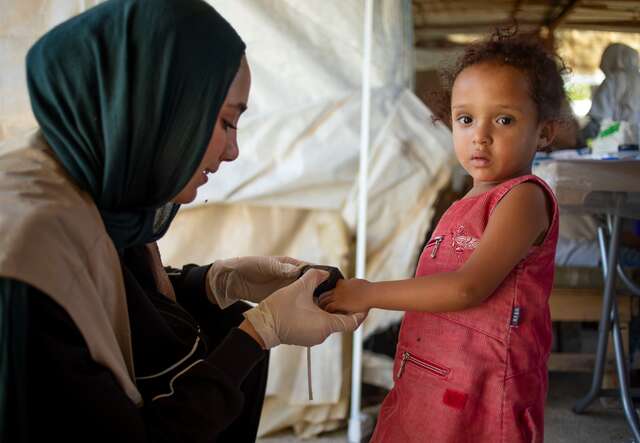
Health care workers perform check-ups and screen children for signs of malnutrition at an IRC clinic in Lebanon.
Photo: Iuna Vieira for the IRC
9. Burkina Faso: Escalating violence deepens crisis
Armed groups linked to Islamic State and al-Qaeda have engaged in an escalating campaign of kidnappings, forced recruitment and attacks on civilians in Burkina Faso for the past eight years. They have blockaded towns, cutting off more than a million people from food, water and health care. Recurring floods and droughts have also driven displacement and compounded the crisis. Pervasive insecurity has curbed the ability of humanitarians to reach the communities in greatest need.
What risks will Burkina Faso face in 2026?
- Violence traps civilians: Burkina Faso is the epicenter of conflict in the Sahel region, accounting for more than 55 percent of fatalities tied to al-Qaeda or Islamic State-linked groups between June 2024 and June 2025. As violence spreads towards urban areas, civilians face heightened risks of direct attacks and displacement.
- Blockades cut off aid: Armed groups blockaded at least 29 towns and villages in 2025, critically limiting access to humanitarian aid for 1.1 million people. Expansions of these blockades could affect even more communities in 2026.
- Basic services near collapse: The government’s ability to provide essential health and emergency services is eroding. With global aid budgets shrinking, unmet needs are likely to deepen in 2026—accelerating the spread of disease, driving hunger and destabilizing communities.
- Climate shocks set to deepen crisis: The global La Niña weather cycle will increase the risk of widespread flooding in early 2026, which would destroy food stocks and farmlands and push families deeper into poverty.
How does the IRC support Burkina Faso?
Since 2019, the IRC has been operating in Burkina Faso to address the humanitarian needs of populations affected by conflict and food insecurity. Its interventions span several sectors: water and sanitation, health, nutrition, economic recovery, protection, women's empowerment and governance. In close collaboration with authorities and local and international partners, the IRC works in accordance with humanitarian principles across seven regions to help communities survive, recover and rebuild their futures.
Learn more about the IRC’s response in Burkina Faso.
Rasmata and her son Bassirou were forced to flee their home due to violence and the tense security situation. Today, they live as internally displaced persons in Dori, Burkina Faso, where they receive support from the IRC.
Photo: Bachirou Kabre for the IRC
8. Mali: Armed groups expand control
Mali is facing escalating instability following changes in government, the withdrawal of French forces and the growing presence of the Russian Africa Corps. Armed groups—particularly Jama'at Nusrat al-Islam wal-Muslimin (JNIM)—have expanded across central and southern Mali, attacking key trade routes and blocking the flow of fuel and goods into the capital, Bamako.
What risks will Mali face in 2026?
- Violence cuts off essential services: Armed groups already threaten major roads and trade corridors, including highways that supply 95 percent of Mali's fuel. Continued attacks on transport will worsen widespread fuel shortages, limiting the ability of hospitals, schools and water systems to function.
- Hunger intensifies as conflict disrupts markets: Violence is disrupting farming, blocking roads and making it harder for people to get food. Before JNIM's spread in southern Mali, 1.5 million people already faced serious food shortages, with nearly 3,000 at risk of starvation. As the military focuses on fighting, food insecurity could get much worse by 2026, especially in rural areas.
- Humanitarian access weakens: Aid organizations are facing higher security risks while funding continues to drop. By December 2025, Mali’s humanitarian response was just 18.5 percent funded—leaving millions without critical assistance.
- Women and girls face growing risks: Over 400,000 people have been displaced, more than half of them women and girls. Many now live in temporary settlements with limited protection. With fewer than a quarter of health facilities able to provide services for survivors, women and girls face increased risks of violence, exploitation and abuse.
How does the IRC support Mali?
The IRC has been providing humanitarian assistance to crisis-affected populations in Mali since 2012, focusing on children, women and internally displaced persons. Our holistic approach integrates programming focused on health and nutrition, economic support, protection against violence and displacement, education, food security and equitable access to essential services.
Learn more about the IRC’s response in Mali.
Civilians are increasingly at risk as violence spreads throughout Mali.
Photo: Elhadj Dicko for the IRC
7. Democratic Republic of the Congo: Peace agreement fails
Conflict in eastern Democratic Republic of the Congo (DRC) is growing despite a 2025 peace deal with Rwanda. Clashes involving the Rwandan-backed M23 armed group are escalating, as the group continues to expand its territorial control in eastern DRC and to exploit valuable rare earth and gold mining sites. Violence involving a number of local armed groups as well as forces from Uganda, Burundi and Rwanda is driving displacement, worsening food insecurity and increasing the risk of disease outbreaks.
What risks will the DRC face in 2026?
- Armed groups exploit natural resources: Armed groups continue to exploit mining sites across eastern DRC to fund their campaigns. Even as talks to end the violence took place, unprecedented levels of conflict minerals were smuggled out in 2025.
- Hunger intensifies as food prices rise: The DRC’s record level of hunger is set to worsen in 2026 as food prices spike, with conflict shattering food security. Families will continue to go hungry: 73 percent of the population lives in extreme poverty and over 8.2 million children and pregnant women need nutritional assistance.
- Disease outbreaks: One of the worst cholera outbreaks in a decade is overwhelming the DRC and will threaten even more communities in 2026 as the country’s health system fails to respond.
- Aid cuts threaten humanitarian programs: Aid services in DRC have been slashed following the shuttering of USAID. Meanwhile, aid workers are subject to increasing attacks, with security incidents rising by 33 percent in 2025, making it even harder to deliver services.
How does the IRC support the DRC?
The IRC has been operating in the DRC since 1996 to improve the well-being of crisis-affected communities, with a particular focus on women and children. In 2024, the IRC supported more than 305,000 people through its health, nutrition, WASH and education programs, while also strengthening child protection, advancing women’s empowerment and promoting community governance.
Learn more about the IRC’s DRC response.
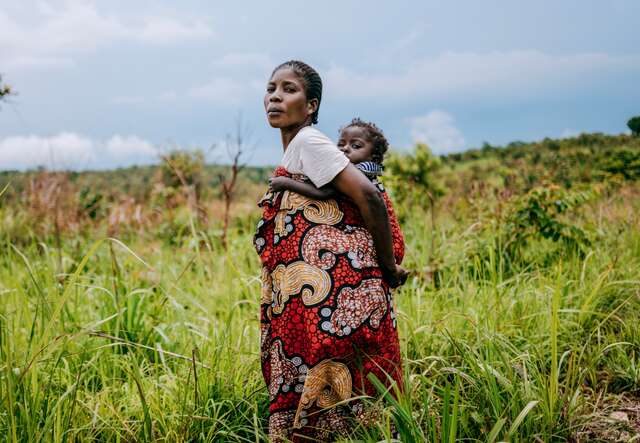
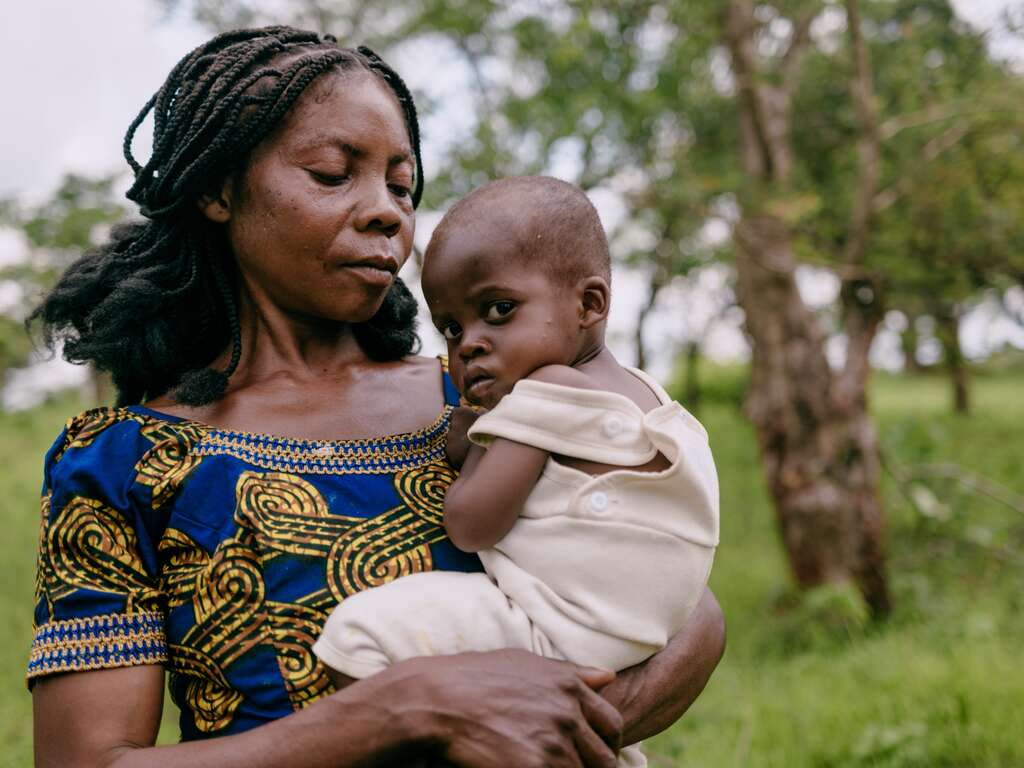
Safi and her daughter, Feza, live in eastern DRC. The IRC provided Feza with emergency therapeutic food, helping her recover from malnutrition.
Photo: Hugh Cunningham for the IRC
6. Myanmar: Millions left stranded by conflict and disaster
Five years after the military took power in 2021, the violent conflict in Myanmar between armed groups and the central military continues with no end in sight. Meanwhile, Myanmar’s humanitarian response remains severely underfunded, even after a major earthquake in 2025 escalated the crisis in the country, leaving a total of 16.2 million people in need of humanitarian assistance.
What risks will Myanmar face in 2026?
- Civilians trapped in expanding conflict: Nearly 90,000 people have been killed in the conflict that has raged in Myanmar since 2021. Civilians face increasing threats of displacement and violence, including a sharp rise in fatalities from airstrikes and explosive weapons.
- Funding shortfalls curtail humanitarian response: Global aid cuts in 2025 have left millions without humanitarian assistance. Women and girls in overcrowded shelters face particular threats as violence, trafficking and early marriage all increase but funding to meet their needs falls.
- Climate change and other natural shocks magnify risk: Ongoing conflict will continue to wreck Myanmar’s ability to respond to climate threats and other natural shocks, already hampered by years of conflict. The most extreme example? Survivors of a severe earthquake that struck Myanmar in 2025 were met with airstrikes in the immediate aftermath, according to the UN.
- Communities cut off from aid: Active fighting, bureaucratic hurdles and damaged roads will continue to make Myanmar one of the most complex places for humanitarian work, cutting off remote communities from essential support.
How does the IRC support Myanmar?
The IRC initiated an emergency response in Myanmar following Cyclone Nargis in 2008. The IRC has worked with local partners to expand its activities since then, serving people affected by the escalating conflict since February 2021, as well as marginalized and stateless communities. The IRC currently works across multiple sectors in six states, including providing emergency response to communities affected by the earthquake in March 2025.
Learn more about the IRC’s Myanmar response.
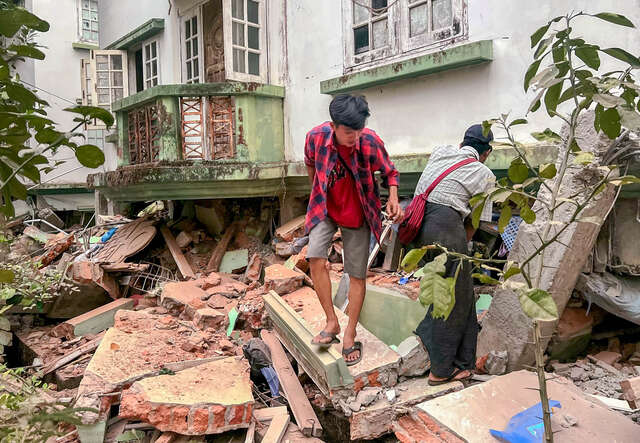
Survivors of the 7.7 magnitude earthquake that struck central Myanmar in March 2025 faced aftershocks and a barrage of airstrikes.
Photo: Sai Aung MAIN/AFP
5. Haiti: Gang rule fuels record hunger and displacement
Haiti has experienced political chaos since President Jovenel Moïse was assassinated in 2021, leaving the country without effective government or security. Armed gangs now control nearly all of Haiti’s capital, Port-au-Prince. Internationally supported attempts to restore order have failed and the mandate of the Transitional Presidential Council, which currently rules Haiti, is set to expire in February 2026. Gangs could exploit this power vacuum, worsening the situation for civilians who are facing increasing violence, hunger and displacement.
What risks could Haiti face in 2026?
- Gang violence threatens civilians: Armed gangs continue to victimize communities through killings, extortion and kidnappings. Over 800 civilians were killed in the first nine months of 2025—more than double the same time period in 2024.
- Displacement and hunger reach record numbers: Gang violence has already forced 1.4 million people, over 10 percent of Haiti’s population, to flee their homes. Over half of Haiti’s population face crisis levels of hunger as violence and displacement continue to accelerate.
- Women and children face abuse and recruitment: Haitian gangs continue to use sexual violence to systematically control communities, while recruiting children at alarming rates. The UN assesses half of all gang members to be children, with a 700 percent rise in recruitment in the first three months of 2025, compared to the same period in 2024.
- Plummeting aid leaves people vulnerable: The humanitarian response for Haiti is among the least funded globally, leaving families without the support they urgently need.
How does the IRC support Haiti?
The IRC has a history of providing humanitarian support in Haiti since 2010, working with a strong network of civil society organizations and local groups to respond to the needs of communities affected by internal displacement and longstanding gang violence. Since December 2022, our services have focused on cholera prevention for internally displaced people and support for survivors of violence, including gender-based violence.
More than 1.4 million Haitians have been displaced from their homes as gangs expand their control across the country.
Photo: UNOCHA/Giles Clark
4. Ethiopia: Risk of major conflict grows as global flashpoints intensify
Interconnected domestic and regional dynamics are driving instability across northern Ethiopia that could tilt into widescale conflict. In addition, fighting perpetuated by armed groups continues to displace civilians. Climate shocks like droughts and floods worsen the humanitarian situation. With significant aid cuts, including a $387 million reduction from USAID in 2025, humanitarian agencies are ill-equipped to handle these overlapping crises.
What risks will Ethiopia face in 2026?
- Risk of renewed conflict threatens civilians: Tensions between the federal government, Eritrean forces, Tigrayan forces and Amhara groups are destabilizing a fragile peace deal from 2022. Ethiopia’s Tigray region has experienced limited reconstruction and nearly 800,000 people are currently displaced and living in dire conditions.
- Central Oromia sees widespread displacement: Clashes between armed groups and government forces in Ethiopia’s Oromia state displaced over 288,000 people in 2025. Violence is destroying livelihoods, driving severe child malnutrition and forcing families to flee. Oromia’s central role in Ethiopia’s economy means instability also disrupts trade and humanitarian access across the country.
- Climate shocks worsen hunger and disease: La Niña is expected to bring flooding to the north and drought to the south in 2026. Flooding could destroy crops, worsen cholera outbreaks and increase displacement, while drought threatens harvests and livestock in pastoral areas.
- Aid cuts exacerbate the crisis: The effects of the U.S. government slashing $387 million in funding to Ethiopia in 2025 will continue to be felt, cutting food distributions for millions of people and threatening critical malnutrition treatment for 650,000 women and children.
How does the IRC support Ethiopia?
The IRC began its operations in Ethiopia in 2000, providing support to refugees from neighboring countries as well as Ethiopians living in crisis-affected and underserved communities. The country continues to face recurring challenges, including conflict, natural hazards and climatic shocks, all of which disproportionately affect vulnerable populations. We respond through multisectoral programming in health and nutrition, child protection, education, women’s protection and empowerment, economic recovery and development and environmental health.
Learn more about the IRC’s work in Ethiopia.
Birhe was displaced by conflict while she was pregnant and gave birth to her daughter, Selam, while seeking safety. Now living in a small village in Tigray, Ethiopia, Selam has completed her full course of routine immunizations at a nearby IRC health facility.
Photo: Martha Tadesse for the IRC
3. South Sudan: Risk of civil war rises
South Sudan is at risk of sliding back into civil war, as the 2018 peace agreement collapses and the current government breaks down. Meanwhile, the civil war in neighboring Sudan has led to an influx of refugees, added to domestic tensions and disrupted vital oil exports, triggering economic turmoil and growing unrest among unpaid security forces. Relentless annual flooding is devastating food production and has trapped millions in a deepening humanitarian crisis.
What risks will South Sudan face in 2026?
- Risk of civil war grows: South Sudan could slip back into civil war, following a failure to implement key parts of the 2018 peace deal, which ended a five-year conflict. Economic collapse has left security forces unpaid for months, further increasing the risk of conflict outbreak.
- Regional conflict threatens stability: The war in neighboring Sudan directly threatens South Sudan’s economy, which relies on exporting nearly all of its oil through Sudan. Actors in the war could exploit South Sudan’s deep divides to mobilize militias and impact these oil exports, which account for 90 percent of South Sudanese government incomes.
- Food insecurity reaches catastrophic levels: South Sudan enters 2026 with a hunger crisis—28,000 people face catastrophic levels of hunger and a daily risk of starvation. Hunger’s vice grip on South Sudan is set to tighten as essential food costs have quadrupled while incomes have collapsed.
- Flooding and disease outbreak loom: The sixth consecutive year of severe flooding in 2025 affected over 900,000 people, compounding a cholera outbreak exceeding 100,000 cases. With La Niña expected to bring heavier rainfall in early 2026, communities face increased risk of flooding, crop loss and waterborne disease, further undermining health, livelihoods and food security.
How does the IRC support South Sudan?
For over three decades, the IRC has stood as a lifeline for communities across the region, responding to the urgent needs of those affected by conflict, displacement and disaster. As one of South Sudan’s largest humanitarian actors, we reach over a million people with health, protection, education and economic empowerment services. In an unstable nation, the IRC’s work is not only lifesaving, it is life-restoring, helping individuals and families rebuild with dignity and hope.
Learn more about the IRC’s South Sudan response.
Bakhita, a Sudanese refugee, holds her son, Israel, outside of their home in a refugee camp in South Sudan. Bakhita participates in an IRC economic recovery and development program, where she’s learning to grow climate-resilient crops to feed and support her family.
Photo: Florence Miettaux for the IRC
2. Occupied Palestinian territory (oPt): Two years of conflict have destroyed the basic conditions needed to sustain life
More than two years of conflict have devastated Gaza and killed over 70,000 people, according to the Gaza Ministry of Health. In October 2023, Hamas and other armed Palestinian groups attacked southern Israel, killing 1,200 people and taking 200 hostages. The resulting military conflict between Israel and Hamas has systematically destroyed infrastructure, markets and essential food, water, shelter and health services across Gaza. Almost 80% of buildings have been damaged or destroyed and around 90% of the population have been displaced, often multiple times.
A U.S.-led and regionally backed "peace plan," including a ceasefire in October 2025, offers limited hope that external pressure may help reduce the intensity of conflict in 2026. However, there have been repeated violations of the October ceasefire in the weeks after it came into effect, and catastrophic levels of humanitarian need remain a certainty. Meanwhile, in the West Bank, escalating settler violence, financial restrictions and territorial fragmentation are eroding Palestinian security and daily life.
What risks will the occupied Palestinian territory face in 2026?
- Civilians face life-threatening conditions: The Israeli bombardment has eroded the very conditions required to sustain life. Over 10 percent of the pre-war population has been killed or injured, according to the Gaza Ministry of Health. The healthcare system has collapsed, with over 800 attacks on health facilities leaving no hospitals fully functional. With 92 percent of homes destroyed or uninhabitable, displaced civilians have nowhere to return.
- Hunger and disease represent pervasive threats: In August 2025, famine was confirmed in Gaza City, with a third of the population facing catastrophic food insecurity (IPC 5). These were the most severe rates of food insecurity per capita ever recorded globally. While more food and aid have entered Gaza since then, the effects of this hunger continue. Weakened bodies can no longer fight off viral infections, now likely to be Gaza’s leading non-conflict killer. For children, the impacts will be lifelong: at least 130,000 children under 5 are acutely malnourished, double 2024 levels.
- Aid access remains critically limited: Gaza faces a naval blockade and sweeping air and land closures, leaving aid at critically low levels. While aid deliveries have increased since the October 2025 ceasefire, they still consistently fall short of the 600 trucks entering Gaza per day specified in the agreement.
- West Bank residents face settler violence and restrictions: Palestinian families face rising threats from raids and settler attacks, with nearly 40,000 people displaced since early 2024. Israel's planned settlement expansion east of Jerusalem further fragments the West Bank, severely restricting NGO operations and the safety and livelihoods of Palestinians.
How does the IRC support the occupied Palestinian territory?
The IRC and our partners work to provide lifesaving services in the occupied Palestinian territory. In Gaza, that includes clean water, malnutrition treatment, protection and empowerment for women and children, early childhood development, psychosocial interventions, emergency reproductive health and other critical humanitarian needs. In the West Bank, the IRC and our partners continue to provide psychosocial interventions and early childhood development services, as well as build the capacity of community first aid workers.
Learn more about the IRC’s oPt response.
An estimated 1.9 million Palestinians have been displaced since October 7, 2023, and many of them have been displaced several times over.
Photo: Abed Rahim Khatib/Anadolu via Getty Images
1. Sudan: Civil war’s brutality continues
For the third year in a row, the IRC ranks Sudan atop the Watchlist as the country most likely to experience a deteriorating humanitarian crisis. Sudan’s catastrophic civil war, waged between the Sudanese Armed Forces (SAF) and Rapid Support Forces (RSF), has killed over 150,000 people since April 2023 and is preventing lifesaving aid from reaching communities in need. The conflict has also triggered a devastating food crisis, forcing regions of Sudan into famine and causing deaths every single day.
What risks will Sudan face in 2026?
- Mass civilian casualties: Sudan’s civil war remains locked in a brutal deadlock. The warring parties face zero accountability. More sieges are likely as the conflict spreads, cutting off towns from aid and forcing displaced individuals to pay to reach safety. With no sign of de-escalation, millions continue to face grave threats to their safety.
- Foreign powers fuel war: Regional powers are profiting from the war in Sudan, leaving both the SAF and RSF with little incentive to negotiate peace. Large quantities of gold flow out of the country while weapons, including advanced drones, move in.
- No end in sight to devastating famine: Violence and siege warfare have pushed 19.2 million people, 40 percent of the population, into crisis or worse levels of food insecurity. Over 200,000 people have endured catastrophic levels of food insecurity and the daily risk of starvation. Despite some agricultural production in eastern Sudan, there remains no end in sight to Sudan’s multiyear famine.
- Warring parties cut off aid: Competing authorities and hardening frontlines are severing humanitarian lifelines. Both the RSF and SAF maintain separate bureaucracies and permit systems that complicate aid delivery. Attacks on aid workers continue with impunity—Sudan is the third most dangerous country for aid workers, accounting for 12 percent of attacks against aid workers globally in 2025.
How does the IRC support Sudan?
When the conflict began in 2023, the IRC adapted its programs and scaled up our response to address increased humanitarian needs. Despite operational challenges, the IRC continues to provide support in Blue Nile, Gedaref, Khartoum, River Nile, South Kordofan and White Nile states and is working on re-establishing its presence in Jazera state. We have an office in Port Sudan and are expanding our presence into other states, including Darfur.
Learn more about the IRC’s Sudan response.
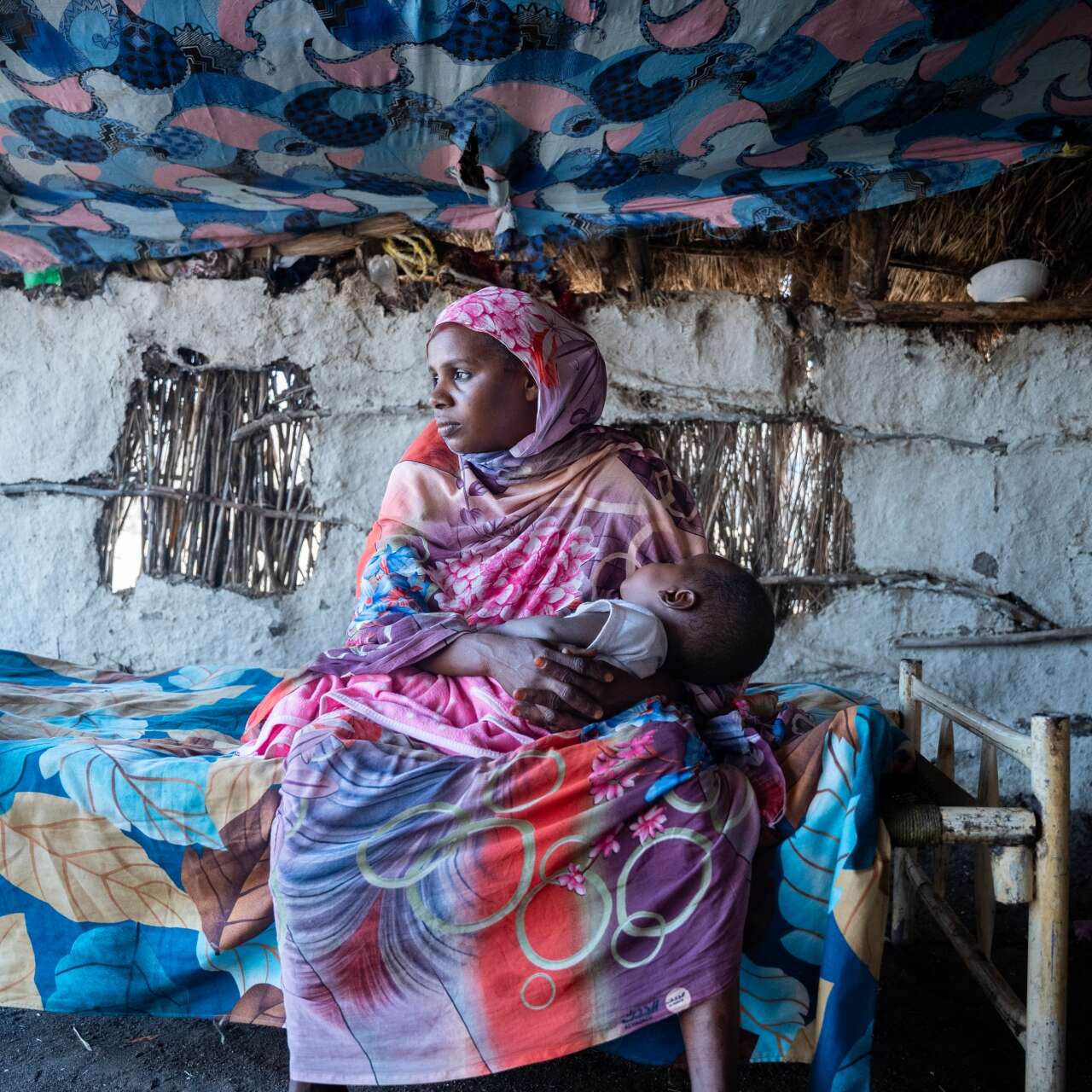
More than 19.2 million people in Sudan face crisis, or worse, levels of food insecurity. Zeinab’s mother carries her back from nutrition treatment at an IRC clinic in Al-Azaza, Sudan.
Photo: Mohammed Abdulmajid for the IRC
How can I help respond to the world’s worst crises?
The IRC’s Emergency Watchlist identifies the countries most likely to experience a deteriorating humanitarian crisis in 2026—but it also presents solutions. The IRC is on the ground in every single country on this list, delivering lifesaving aid to the communities most impacted.
More from the IRC
The International Rescue Committee has over 90 years of experience helping people affected by crisis in more than 40 countries to survive, recover and rebuild their lives. We also help refugees and displaced people resettle and integrate into new communities in the U.S. and across Europe.
Our ratings: We consistently earn top marks from charity watchdog groups for our efficient use of donor contributions and the effectiveness of our work.
Get connected: Follow the IRC on Instagram, LinkedIn, Facebook, Bluesky and X.
Stay informed: Learn more about the world’s worst crises—and how you can help—in the full 2026 Emergency Watchlist and the Watchlist Midyear Update.