Watchlist 2026
Since 2014, the International Rescue Committee (IRC) has released its annual Emergency Watchlist, identifying the 20 countries most at risk of experiencing worsening humanitarian crises in the year ahead, with 85% to 95% accuracy.
The 2026 edition highlights 20 countries and ranks the 10 at greatest risk, as a shifting world order leaves them to confront surging crises amid shrinking international support.
How much do you know about the state of the world? Take this quiz to learn more about the Watchlist and the countries in crisis.
Years of civil war in Sudan have compounded an already desperate situation, creating the largest humanitarian crisis in the world. More than 12 million people have been displaced, and nearly two-thirds of the population needs aid. The 2026 Watchlist marks the third year in a row that Sudan tops the list.
The 20 countries on the Emergency Watchlist are home to 12 percent of the global population but account for 89 percent of all people in humanitarian need.
Conflict is the primary cause of extreme hunger worldwide, and attacks directly affecting food security (including strikes on warehouses, supply convoys and agricultural sites), have surged globally.
Four out of five people displaced globally (80 percent) have been uprooted by conflict, violence or persecution in Watchlist countries. Nearly 60 percent of displaced people remain within their own countries.
The 11 African countries on the 2026 Watchlist account for just 8 percent of the global population but are home to two-thirds of the world’s extreme poor, as well as a third of the world’s forcibly displaced people, a third of those living in extreme poverty, and a third of people in humanitarian need.
Millions of Haitians face worsening violence, hunger and displacement in 2026 due to armed gang rule and political chaos following the 2021 assassination of President Jovenel Moïse.
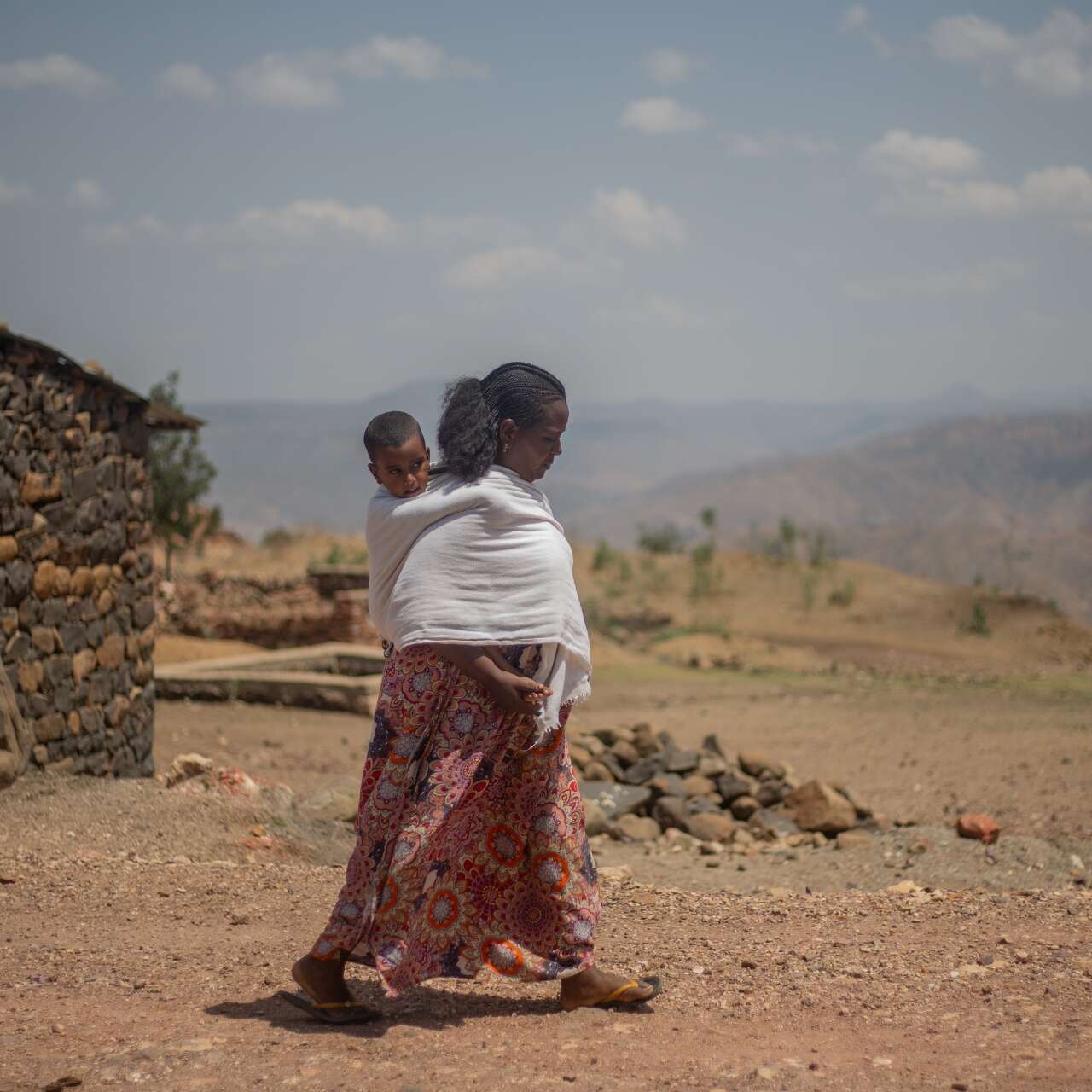
La Niña and its cooler-than-normal sea temperatures are expected to cause flooding in Ethiopia’s north and drought in the south, worsening acute hunger and disease outbreaks.
The International Rescue Committee (IRC) helps people affected by humanitarian crises to survive, recover and rebuild their lives. We deliver lasting impact by providing health care, helping children learn, and empowering individuals and communities to become self-reliant, always with a focus on the unique needs of women and girls.
Founded in 1933 at the call of Albert Einstein, we now work in over 40 crisis-affected countries as well as across the U.S. and throughout Europe.
Our ratings: We consistently earn top marks from charity watchdog groups for our efficient use of donor contributions and the effectiveness of our work.
Get connected: Follow the IRC on Instagram, LinkedIn, Facebook, Bluesky and X.
Stay informed: Learn more about the world’s most pressing crises and what the IRC is doing to help.