Ebola
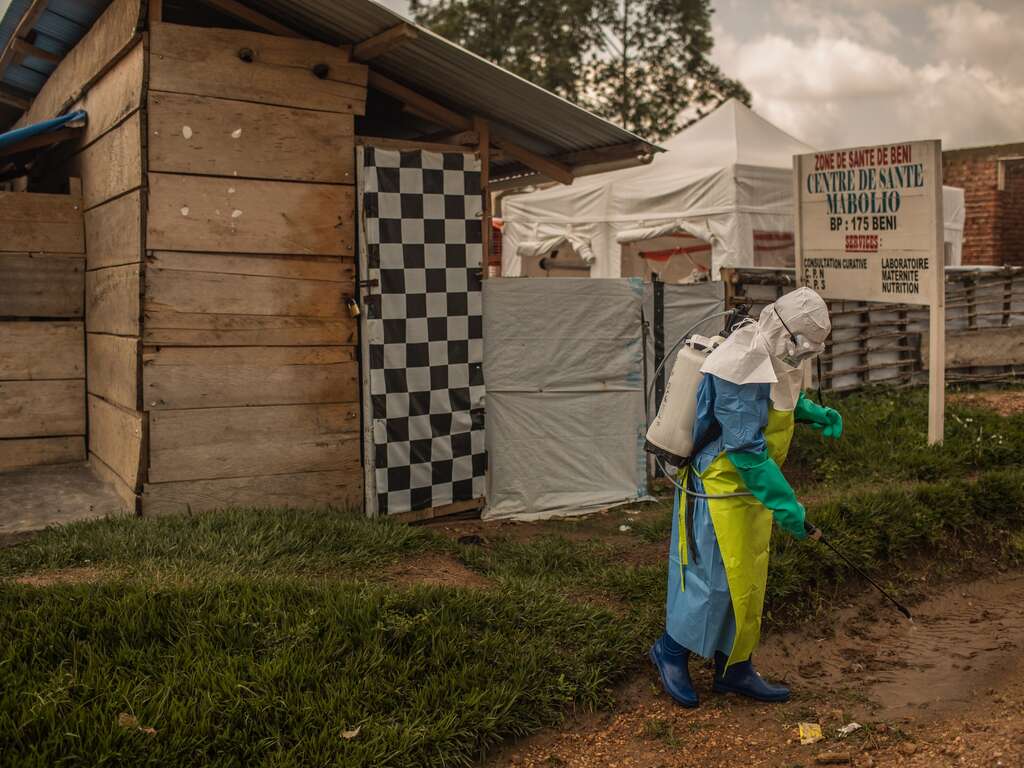
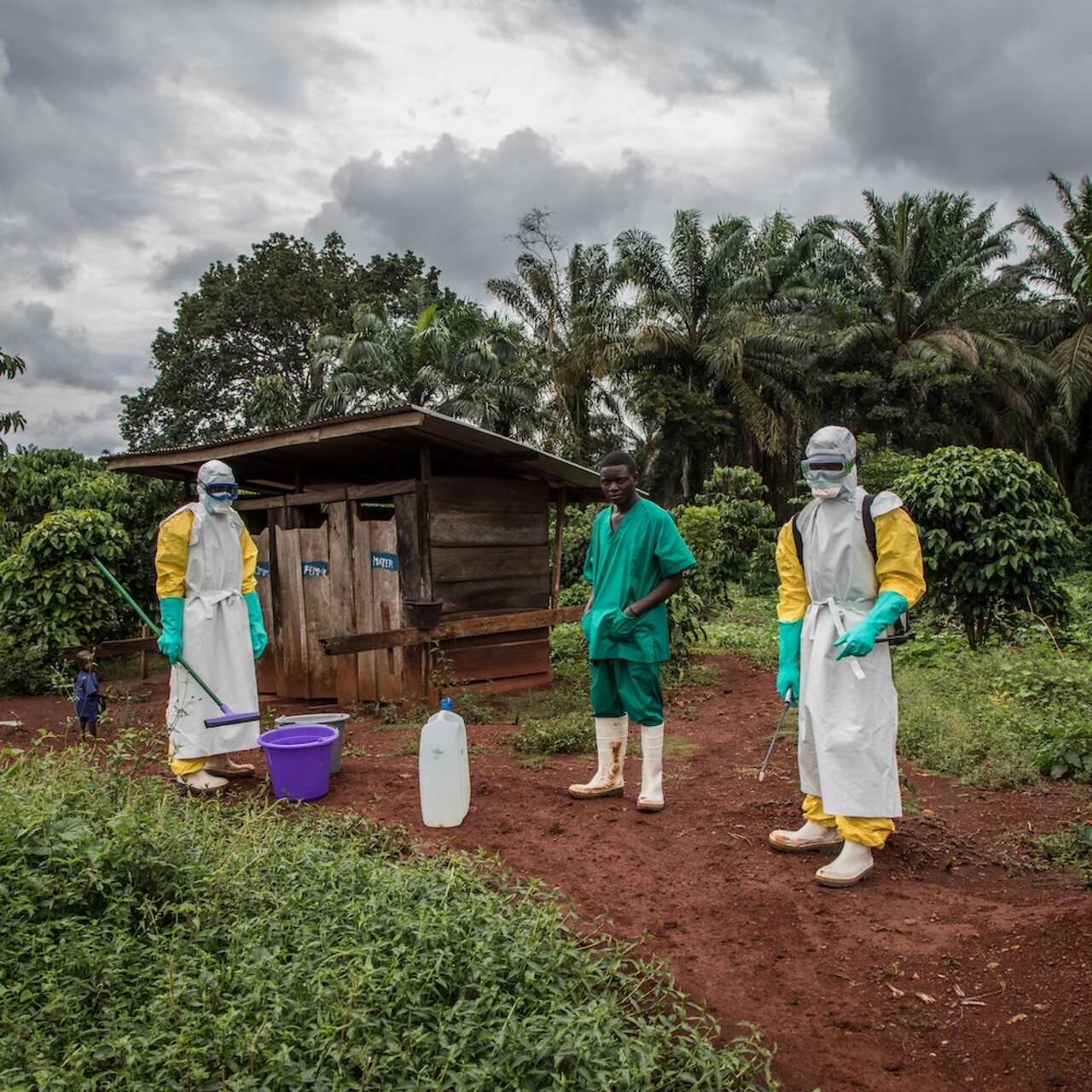
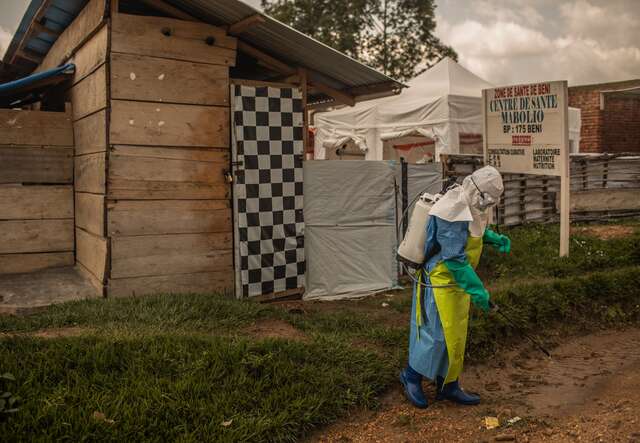
As Ebola cases spread across eastern Democratic Republic of Congo (DRC), the International Rescue Committee (IRC) has launched a response to protect vulnerable communities and support an already overstretched health system.
Across the DRC, over 2,000 deaths and over 4,400 cases of Ebola have been reported in less than three months, surpassing total figures from the 2018-2020 outbreak. Cases were also confirmed in Uganda, but on July 28, 2026, the Ministry of Health declared the outbreak over after 42 days without a new confirmed locally transmitted case.
Still, the IRC has warned that this Ebola outbreak is likely significantly larger and more advanced than official figures suggest, as response efforts struggle with delayed detection and dangerously low levels of contact tracing.
Reports suggest that the Ebola virus may have been spreading undetected since before March, in part due to global aid cuts which have weakened frontline health systems and outbreak preparedness efforts in the region. Transmission is accelerating in affected areas and expanding into new locations, raising the risk of cross-border spread, particularly into South Sudan.
Here's what you need to know about Ebola, the current outbreak, and how the IRC's emergency response supports infection prevention and control efforts.
Ebola is a virus characterized by fever, weakness, muscle pain, headache, and sore throat, followed by vomiting, diarrhea, and in some patients, bleeding. Initial symptoms are nonspecific, making it difficult to diagnose quickly and patients can take up to 21 days to develop them at all.
The virus is contracted through direct exposure to bodily fluids from an infected person or a contaminated animal. People are not infectious until they develop symptoms, but Ebola becomes most contagious in the disease's late stages. According to the World Health Organization, the virus remains contagious for up to three days after a victim dies which is why burial practices can contribute to new cases spreading.
Patients who receive early treatment have a higher chance of survival and are less likely to infect others.
What makes this outbreak especially alarming is the specific strain of Ebola involved. It's called the Bundibugyo strain, and laboratory analysis indicates that unlike the strains the world has dealt with before, there is currently no licensed vaccine or approved targeted treatment for it. In past outbreaks, vaccines were a critical tool. Here, that option doesn't currently exist. That means stopping this outbreak depends entirely on finding cases fast, isolating people who are sick, and keeping health workers protected.
The World Health Organization has declared this a Public Health Emergency of International Concern (PHEIC)—the highest level of global health alert, reserved for outbreaks that pose a serious risk beyond the country where they started.
As Heather Kerr, IRC DRC Country Director, put it: "Every delay has a human cost."
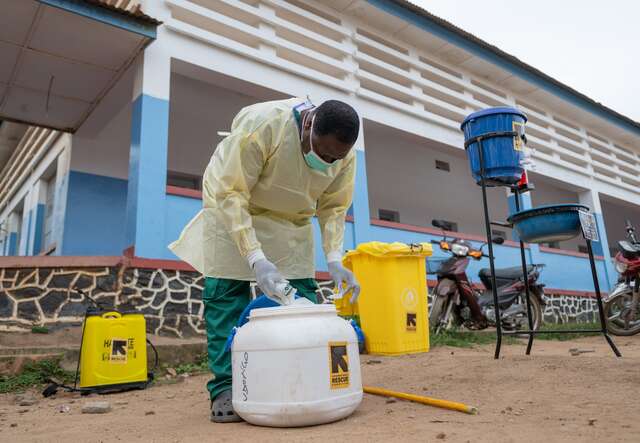
Eastern DRC has faced decades of armed conflict, and ongoing insecurity means response workers face real dangers reaching affected communities. The DRC faces a longstanding humanitarian crisis, ranking 7th on the IRC’s Emergency Watchlist. It has appeared on IRC’s Watchlist consecutively for the past decade.
Fragile health systems, extreme poverty, and the ongoing impact of funding cuts have left millions of people in the region vulnerable. In some areas, health facilities have almost no protective equipment left for workers to use safely. When those systems fail, a disease like Ebola can spread further and faster before anyone realizes what's happening.
Goma, a busy, densely populated city and major transit hub has now recorded cases which is cause for concern.
Fear and misinformation also make things harder. When people don't trust the information they're getting, they avoid health centers and the virus finds more opportunities to spread.
Ebola spreads through direct contact with the bodily fluids of someone who is sick or has recently died from the disease. New cases can occur among community, family members and others who have had close physical contact with a patient, including through burial rituals.
The spread of Ebola can be reduced by washing hands frequently with soap and water. Contact tracing is also essential: after a person tests positive, contact tracers interview family members and others who may have been exposed, then monitor them for symptoms for 21 days.
Some communities have deep mistrust of Ebola prevention and treatment efforts. People are avoiding health facilities, raising fears that those affected are remaining within communities rather than seeking treatment. As a result, transmission is spreading across multiple areas, and communities are losing trust in the response.
In response, the IRC is scaling up community engagement across Ituri province, DRC, by training local leaders and community volunteers to raise awareness, counter misinformation through trusted networks, support the early detection of cases, and gather community concerns and feedback.
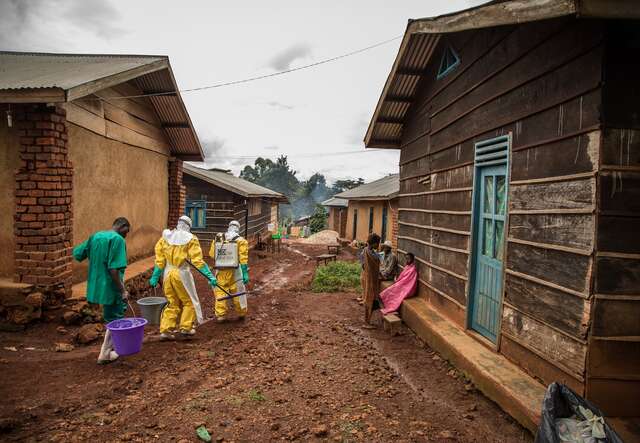
Women and girls are particularly vulnerable during Ebola outbreaks. In previous responses, pregnant women often couldn't get the care they needed. Rates of gender-based violence tend to rise during outbreaks, as do risks of exploitation and abuse. Frontline health workers are also at serious risk, especially when protective equipment is scarce.
The IRC has been responding to Ebola outbreaks in this region for years. During the 2018–2020 outbreak in North Kivu, DRC, the IRC worked across more than 70 health facilities in Beni, Mabalako, Butembo, and Goma. The IRC was also part of the response to the 2014–2016 West Africa outbreak in Liberia and Sierra Leone. That experience is directly shaping what the IRC is doing right now.
Working alongside Congolese government health authorities who are leading the overall response, the IRC is:
The IRC knows from experience that the way to stop an Ebola outbreak is through fast action, trusted community relationships, and unwavering support for the health workers on the front lines.
With more than 4,400 reported cases and over 2,000 deaths across multiple provinces, this Ebola outbreak is a stark reminder of what happens when health systems in conflict-affected countries are left to crumble. Years of underfunding and the withdrawal of donor support have left eastern DRC without the tools needed to catch a disease like Ebola before it takes hold.
This outbreak can still be contained, but only if governments, donors, UN agencies and humanitarian organizations urgently work together alongside the Africa CDC to support frontline responders and affected communities.
The IRC is calling for five urgent steps to curb the Ebola outbreak:
IRC teams are on the ground in eastern DRC today getting protective equipment to health workers, sharing life-saving information with communities, and working around the clock to contain this outbreak.
Your donation makes that work possible.