International Rescue Committee (IRC)

VOICES FROM THE FIELDTHE IRC BLOG

The long, difficult journey home in Sindh

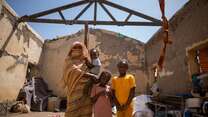
Photo: Peter Biro/IRC


Euan Robinson, IRC-UK policy officer, recently visited Sindh province in Pakistan, one of the regions hit the worst by last year’s floods.
 
DAY 3 
 
Even before the floods hit, many people in Sindh did not have access to health care. Whatever clinics and medical equipment there had been was washed away by the floodwater. Rates of illnesses, including malaria and skin infections, shot up in the wake of the floods, with many people falling very sick.
 
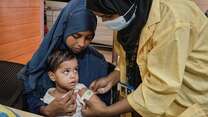
Today I am visiting one of the government health clinics that the IRC has helped rehabilitate. As well as basic repairs, the IRC has trained new staff, provided medicines and medical equipment, and is immunizing children against common diseases. I spoke with Sachul, a woman from a nearby village, who explained that her daughter had given birth in the clinic just five days previous. This was the first birth in the clinic for 15 years, thanks to the presence of female doctors on site, paid for and trained by the IRC. Before this, women were left to have their babies at home or else make the long journey to Shikarpur.
 
“When my daughter came here to have her baby she received very good care, the doctor gave us medicine and check-up free of cost,” says one woman I spoke to. “There was no female doctor here before and we didn’t have access to these kinds of services. Now there's a clear difference in the care women like us can receive.”
 
As I walk through the clinic speaking with patients, it is clear that for many people here things have improved. A long line of children wait for vaccinations that would not have been available in this area even before the floods. Despite this progress, it is clear wherever you go in Sindh that people are holding their breath, waiting to see what this year’s rains will bring.
 
On our drive back to Sukkur, we stop at one of the many unofficial displacement camps that have sprung up beside the main roads on the outskirts of town. The rows of white tents are clearly visible from the road – a reminder of how many people are still reeling from the floods 12 months on. 
 
The families I meet in the camp were forced to flee their homes as the floodwaters rose. Many now have no home to return to, while others still do not feel it is safe to go back because of tribal conflicts in their region. Others are unwilling to return to the oppressive conditions of bonded labor in their village of origin.
 
For Rashida, returning home is not an option. “Our landlords are very cruel. They do not allow us to educate our children and we are not allowed to live by our own ideals. We just want to be able to live our lives free. At least in the camp, we are free.”
 
IRC has set up Protection Beneficiary Committees (PBCs) in the camp. So far, these committees have helped to bring families from different tribes together to speak with one voice about their problems and the help that they need. These are not helpless people looking for a hand-out – these are proud individuals looking for just enough help to be able to regain control and rebuild their lives.
 
Read Part 1 and Part 2

No comments yet.

Comments

Post new comment

The content of this field is kept private and will not be shown publicly.
Type the characters you see in this picture. (verify using audio)
Type the characters you see in the picture above; if you can't read them, submit the form and a new image will be generated. Not case sensitive.

ABOUT THIS BLOG        COMMENT GUIDELINES        DONATE        ARCHIVE