Since 1933, the IRC has provided hope and humanitarian aid to refugees and other victims of oppression and violent conflict around the world.
The IRC on Twitter
-
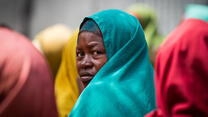
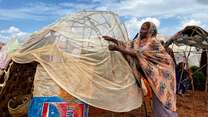
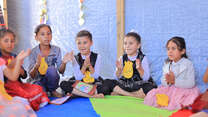
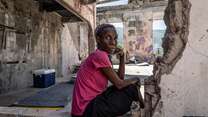
These pix from Mali show the devastating impact of the #drought sweeping across Africa's #Sahel region: t.co/6dO5jkrY
May 21, 2012
-
@mmm_dumpling @GPTW_Global @CorConnection @hiltonprize @NataCour @SharonDAgostino Thanks for your support!
May 18, 2012
-
On the blog: Uganda after #Kony: Alice Akoko’s story t.co/qpKLefsZ
May 18, 2012
-
Women fleeing conflict often face increased risk of rape & domestic violence. Unacceptable? Sign the #WakeUp pledge: t.co/y3reqP3J
May 17, 2012
-
Commentary by the IRC's Liz Pender: Rape & domestic violence are all too common for women who fled the Nuba mountains: t.co/vzKfhqbp
May 17, 2012
VOICES FROM THE FIELDTHE IRC BLOG
Refugee Journeys: Eskinder Negash - Ethiopia, 1980
February 14, 2011
By The IRC
Eskinder Negash
"I was a refugee, I was disposable. I was homeless. I was in a refugee camp. I came to this country with no family. When I see a refugee, regardless of where they came from, I see myself, so I have a very deep emotional attachment to the issues that affect refugees because my story is their story. And theirs is mine."
- Eskinder Negash
Eskinder Negash was born in 1956 to a middle class family in Ethiopia, and enjoyed a happy childhood with his 12 brothers and sisters. In 1974, Ethiopia’s longtime ruler, Emperor Haile Selassie, was removed from power by a Soviet-backed military junta, and 60 officials of the Emperor’s government were summarily executed. In the years that followed, the communist regime became increasingly harsh and persecuted potential opponents, especially the educated.
Fearing that he would be either killed or imprisoned, Negash, who was now on his own, fled to Sudan in 1980, as did tens of thousands of other Ethiopians. At a refugee camp,he was hired by UNHCR, the United Nations refugee agency. When the International Rescue Committee announced we were opening a field office and clinic in the area, he applied for a job and was hired—as probably the IRC’s first staff member in that part of Sudan. He was responsible for screening refugees seeking medical attention and assembling data for reports going to the IRC’s headquarters in New York.
When the United States began accepting Ethiopian refugees for resettlement, he applied for admission and was accepted, with the IRC as his sponsor. After his arrival in the United States, the IRC also assisted with his resettlement and gave him a job in its Los Angeles office. Subsequently he took a position of greater responsibility with another immigration and refugee agency, the International Institute of Los Angeles, where he spent 15 years, rising to the position of vice president and chief administrative officer. He also served as chair of the Joint Voluntary Agencies Committee of California; as chair of the California State Refugee Advisory Council; and as a member of the board of the Coalition for Human Immigrant Rights of Los Angeles.
In 2002, Negash joined another resettlement agency, the U.S. Committee for Refugees and Immigrants, as vice president and chief operating officer. In 2009, he was appointed director of the Office of Refugee Resettlement in the Administration for Children and Families of the U.S. Department of Health & Human Services. His agency provides people in need, including refugees, victims of human trafficking, and survivors of torture, with critical resources to assist them in becoming integrated members of American society.
Negash is a graduate of California State University, Los Angeles. Watch and listen to him tell the story of his refugee journey here.
Eskinder Negash is one of 10 distinguished refugees who were honored by the International Rescue Committee at our 2010 Freedom Award Dinner in New York City. Check back each Monday for a new story of a refugee who has fled tyranny and persecution and who has made the most of the opportunity to begin again and thrive in the U.S. You can see all of the stories posted so far here.
No comments yet.
Voices From...
Contributors


Comments
Post new comment