Since 1933, the IRC has provided hope and humanitarian aid to refugees and other victims of oppression and violent conflict around the world.
Recent Posts
The IRC on Twitter
-
RT @MoveEndViolence: Why do we need a #movement to end #VAWG? #MovementMaker Heidi Lehmann of @theIRC on the blog. t.co/H74c80BdAs
May 20, 2013
-
@Doylech @oneworldadopt @Just_Naomi_chan @socialfund @AFRIpads @tamaraduker @lynndalsing @HuTerra @scribblymouse thanks for your support!
May 20, 2013
-
RT @IRCuk: Thanks @LCO_orchestra @RiyadNicolas @cadoganhall for an excellent concert & for supporting our work w. Syrian refugees #TheAsfar…
May 20, 2013
-
Call members of Senate Judiciary Ctte & ask them to retain #CIR provisions that protect refugees & asylees t.co/xLIoPRWloc #CIRmarkup
May 20, 2013
-
#CIRmarkup: Sec. 3405 of U.S. #CIR bill is in markup right now. It contains important protections for #refugees, asylees & stateless people.
May 20, 2013
VOICES FROM THE FIELDTHE IRC BLOG
Supporting survivors of sexual violence in Haiti
May 13, 2011
By The IRC
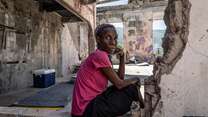
Madeleine Rene educates women on their rights and ways to prevent violence.
The International Rescue Committee (IRC) relies on a vast network of Haitian staff and volunteers throughout Port-au-Prince to carry out our programs—they are the backbone and the driving force of our work here. Here’s a glimpse into the lives of women who serve as volunteers in Port-au-Prince, trained to provide psychological and social support to survivors of sexual violence, with the IRC’s women’s protection and empowerment program.
Madeleine, Herta, Francette and Jeanne were identified by their peers as being natural leaders, women who other women and girls in their camp communities could turn to for help. They have been trained by the IRC to refer survivors of violence to appropriate medical or legal services and to provide them with ongoing support.
Despite the adversity these women encounter in their work and day-to-day lives, they continue to assist women and girls with unflinching commitment and pride. What’s more, their work as psychological and social support agents has brought them recognition in their communities, serving as a platform for these women to become strong leaders, a preserve for men in Haitian society.
The IRC firmly supports community-based responses—a critical approach, in keeping with the legacy of this country’s robust, grassroots women’s movements.
Read Madeleine's story. Next Friday: Herta's story
No comments yet.
Voices From...
Contributors


Comments
Post new comment