Since 1933, the IRC has provided hope and humanitarian aid to refugees and other victims of oppression and violent conflict around the world.
The IRC on Twitter
-
Thanks to all who voiced support for U.S. #CIR! What your calls on the Senate immigration reform bill achieved: t.co/z5OAvG7uFs
May 24, 2013
-
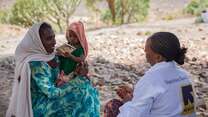
RT @DocEdH: The best of @theIRC: amazing local staff -in this case Immaculee M- listening thoughtfully to a community leader t.co/LH…
May 24, 2013
-
@angusa Thx for your interest in working with us! Positions posted at t.co/w3SDWahSdt; if a position isn't there it's no longer open.
May 24, 2013
-
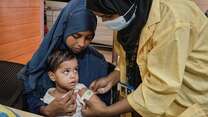
A woman awaits a checkup at an IRC clinic inside #Syria. t.co/KYCuHf1zWA Photo: Peter Biro/IRC t.co/qptp52tHvi
May 23, 2013
-
Please tweet @theIRC if you have questions, comments or requests!
May 23, 2013
VOICES FROM THE FIELDTHE IRC BLOG
Two cousins, two countries, three Election Days
November 6, 2012
By The IRC
Iranian election protest, June 2009
Aramanush* works with the International Rescue Committee in Los Angeles, helping refugees apply for United States citizenship. Born in Iran, she was invited to come to the U.S. as a refugee in 1999 through the Lautenberg Program, named after its leading proponent in Congress, U.S. Senator Frank R. Lautenberg (D-NJ). Because the U.S. has no embassy in Iran, the program arranged for persecuted religious minorities to receive visas to travel to Austria, where they could safely apply for resettlement in the U.S.. The program, a lifeline for many Iranians in harm's way, expired on September 30—the IRC has been advocating for its reinstatement.
Soon after I arrived in the U.S., the different paths our lives were taking started to become clear. I adapted quickly to the American way of life. I was involved in school, especially sports and the student body. I loved track and field and competed for my school. At the same time in Iran, Ani was also involved in school sports: Her passion was basketball. But while I had the freedom to practice with my male teammates, Ani was restricted to playing with other girls, and her male coach was often excluded from her team’s games because of his gender. And while I had the freedom to wear what I wanted, as many American teenagers do, Ani had to wear hijab (a veil) in public and live in constant fear she would be sanctioned by Iran’s “morality police” if her attire didn’t meet their standards of modesty.
After graduating high school in 2007, I attended college and became politically active for the first time. During the historic U.S. Presidential campaign in 2008 I was actively involved in registering people to vote, never afraid to let my voice be heard. There was an historic presidential campaign in Iran at about the same time and Ani was involved too. She joined the Green Movement, which worked for electoral change and opposed the ruling party. But while I had the protection of the First Amendment and the freedom to speak about my beliefs, Ani knew that expressing her beliefs could cause unwanted attention at best and imprisonment at worst. She continued to fight for change and justice nonetheless, but without any of the protections I enjoyed.
No comments yet.
Voices From...
Contributors


Comments
Post new comment