Since 1933, the IRC has provided hope and humanitarian aid to refugees and other victims of oppression and violent conflict around the world.
The IRC on Twitter
-
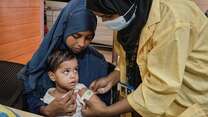
A woman awaits a checkup at an IRC clinic inside #Syria. t.co/KYCuHf1zWA Photo: Peter Biro/IRC t.co/qptp52tHvi
May 23, 2013
-
Please tweet @theIRC if you have questions, comments or requests!
May 23, 2013
-
Thanks to your support, we made @Klout's list of the world's most influential NGOs on social media: t.co/Abc4bTjEY0 #KloutPulse
May 23, 2013
-
RT @So_Jo1: @theIRC's Felix Leger on VOA today t.co/vzvenVNEJ1
May 22, 2013
-
RT @So_Jo1: @theIRC will provide 70,000 liters of clean water daily--enough potable water for 5,000 people a day to drink, cook and bathe #…
May 22, 2013
VOICES FROM THE FIELDTHE IRC BLOG
World Water Day: Update from Pakistan
The IRC has installed water tanks, hand pumps and latrines in flood damaged communities across Pakistan's Sindh Province. In the village of Aitbar Brohi, a girl pumps drinking water from a well.
After the flood
More than six months on, the humanitarian crisis brought about by the worst flooding in Pakistan’s history is far from over. The IRC is providing clean water and health care, and helping hard hit communities to rebuild vital infrastructure and kick start their local economies.
All IRC Slideshows >
All Pakistan Slideshows >
After the flood
More than six months on, the humanitarian crisis brought about by the worst flooding in Pakistan’s history is far from over. The IRC is providing clean water and health care, and helping hard hit communities to rebuild vital infrastructure and kick start their local economies.
All IRC Slideshows >
All Pakistan Slideshows >
In 2010 my International Rescue Committee colleagues gave over 4.4 million people access to clean drinking water and sanitation. On this World Water Day (March 22), the IRC's Peter Biro provides an update on our work in Pakistan:
"A little more than six months ago Pakistan was inundated by the worst floods in living memory. The toll in human suffering was incalculable. Over 20 million people were made homeless or otherwise affected by the deluge. Some 1.7 million homes were destroyed and 5.4 million acres of land damaged. And the humanitarian crisis brought about by the flooding is far from over.
People who live in the country’s vast flood zone still desperately need access to clean water and health care. Across Sindh Province the IRC has installed water tanks, hand pumps and latrines. Outside of the heavily flood-damaged village of Shah Wasaye the IRC has set up a mobile health clinic that is treating people for diseases brought on by contaminated drinking water and the lack of hygiene. Two roving medical teams provide services that have reached some 50,000 people in the province."
You can read more of Peter's story here.
No comments yet.
Voices From...
Contributors


Comments
Post new comment