Afghans in pictures: Reluctant return (BBC)

Photo: (Photo: Anna Husarska/IRC)
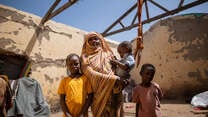
(Photo: Anna Husarska/IRC)The Jalozai refugee camp in north-west Pakistan has been home to 110,000 Afghans. It was officially closed on 15 April in a joint decision by Pakistan, Afghanistan and the UN refugee agency (UNHCR). But by then only 660 families had left this village of mud-plastered houses for their homeland.
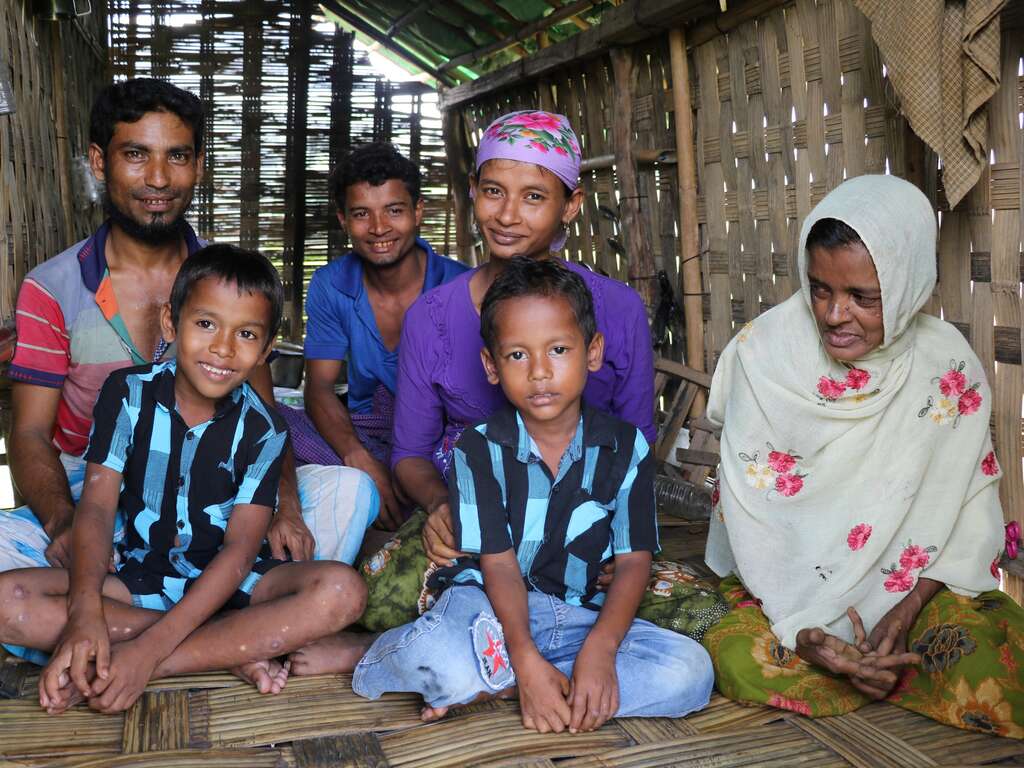
(Photo: Anna Husarska/IRC)This family of ethnic Turkmen carpet weavers originates from Mazar-e-Sharif in northern Afghanistan. They are worried that when they return there they will be unable to survive given the lower price of carpets and the higher price of wool. What's more, they have neither land or shelter of their own. The UNHCR offers those who return a small grant, but the Turkmen are reluctant to go even though Pakistani bulldozers have already started destroying the dismantled shops in the camp.
(Photo: Anna Husarska/IRC)Three quarters of the Afghan refugees in Pakistan came at the time of the Soviet invasion in 1979 and its aftermath. Some Jalozai refugees, like this man, are former mujahideen who opposed the Soviets but then found themselves on the opposite side to those who are now in power in Kabul. So they prefer to remain in Pakistan in an illegal limbo, rather than return to Afghanistan where their past could present a problem.
(Photo: Anna Husarska/IRC)Over two million Afghan refugees still remain in Pakistan. Together with one million fellow countrymen in Iran they constitute the world's largest refugee "caseload". Here Afghan men sit on chairs waiting at a UNHCR 'de-registration centre'. Their refugee cards will be cancelled. Once home, they will each get a $100 grant. But the UNHCR is worried that the security situation in Afghanistan means they may not be safe.
(Photo: Anna Husarska/IRC)Afghan women sit on the ground waiting for their turn to de-register. It is not just security and lack of housing they have to worry about. Many, having been born in Pakistan, do not have that most precious and crucial element necessary for survival in the traditional society that is Afghanistan - a social network of relatives.
(Photo: Anna Husarska/ the IRC)This refugee boy will probably be able to continue his schooling when his family returns to Afghanistan. But what about his sister? The girl was able to go to school in Jalozai camp through an International Rescue Committee education programme for girls. But in some areas of Afghanistan the Taleban continues to disrupt girls' schooling. Where security allows, the IRC in Afghanistan is opening its community-based schools to returnee girls
(Photo: Anna Husarska/ the IRC)The UNHCR has introduced state-of-the-art iris scanning for the refugees' de-registration. This centre in Peshawar can process more than 5,000 refugees a day, so the whole population of the Jalozai camp could be repatriated in less than a month. The capacity of Afghanistan to absorb them however may create a bottleneck in the process.
(Photo: Anna Husarska/ the IRC)De-registration papers in hand, their rented Pakistani trucks piled high with possessions, Afghan refugees make final phone calls on their Pakistani mobile phones before embarking on the journey to a homeland that most of them have never seen.
(Photo: Anna Husarska/ the IRC)Last prayers before the journey to Afghanistan. Given the security concerns that await them, many refugees have been postponing the trip until the Jalozai camp was finally declared closed. There are still some 80 refugee camps in Pakistan housing over two million Afghans. All are theoretically scheduled to close by the end of 2009.
(Photo: Anna Husarska/ the IRC)The razed field in the background is all that now remains of Kacha Ghari refugee camp where 65,000 Afghan refugees used to live before it was closed and levelled by bulldozers. The coffins have a note stuck to them with a mobile phone number. The prospective clients are the departing Afghans who may want to take the remains of their loved ones home with them.
a
a
Click on the photo above to view the gallery.
(May 2008) In April and May 2008 International Rescue Committee's senior policy adviser Anna Husarska went to Pakistan and Afghanistan to help highlight the plight of the Afghan refugees and returnees. Here is the story of the departure of Afghans from the largest remaining camp in Pakistan, the Jalozai refugee camp near Peshawar as told in Anna's photos.
This photo essay originally appeared on the BBC NEWS website.