Life in Kakuma Refugee Camp, Kenya

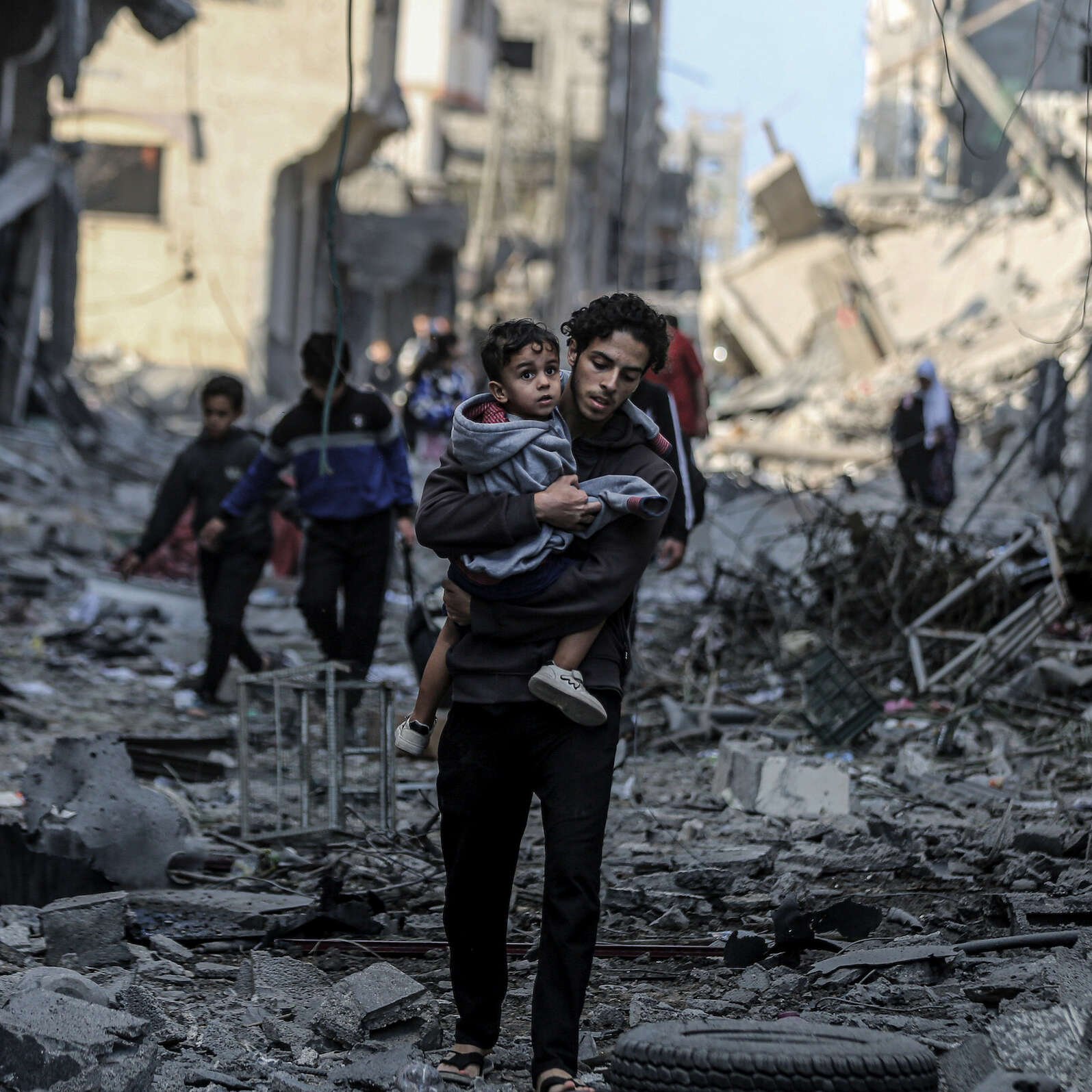
(Photo: Joanne Offer/The IRC)IRC security staff member inside an abandoned house.
(Photo: Jo Offer/The IRC)Inside Kakuma camp, community health worker Fuhad - himself a refugee from Somalia - stands next to a pile of empty jerry cans. They've been placed by a tap stand ready to catch water when it's pumped once a day. Each family gets about 40 litres a day. These particular jerry cans belong to refugees from Ethiopia who've recently come to Kakuma from Nairobi following post-election violence earlier this year. Fuhad has been talking with them about good hygiene practices and healthcare. He says, "It's hard when people only have a small amount of water every day to talk about good hygiene. I know that they take some of their water from dirty rivers nearby, so I try to get them to boil it to prevent diseases like diarrhoea."
(Photo: Jo Offer/The IRC)A baby girl has her arm measured at an IRC nutrition centre in Kakuma camp. If the armband falls into the red 'danger' zone, then the child is malnourished. Malnutrition rates inside the camp are almost 11% but even higher in the local population outside the camp at 24%, according to the IRC. Most of the infants we see in our feeding centres come from the local community. A dry, harsh climate and rising food prices means that families are struggling to give their children a nutritious diet. So both refugee and local mothers are relying on the camp nutrition centre for special food supplements in the short term.
(Photo: Jo Offer/The IRC)Young, malnourished children are also more at risk of developing disease. Here a Turkana mother has brought her daughter to Kakuma camp hospital for treatment for malaria. Malaria and acute respiratory illnesses are the most common problems seen by the camp's hospital and three clinics. The camps' healthcare facilities also monitor possible cases of avian flu, which could spread rapidly with so many people living close together. To date, there have been no reported cases.
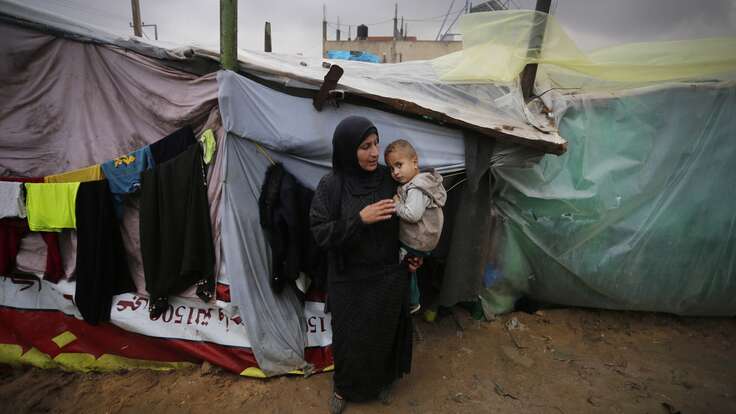
(Photo: Jo Offer/The IRC)The weather is currently scorching in Kakuma, although flash floods can be a problem as rains often wash down unannounced from neighbouring Uganda. These floods quickly create rivers, which make access around the camp more difficult for humanitarian organisations providing services such as healthcare, education and sanitation. Now that the camp population has fallen, consolidation of the area -- moving the remaining refugees closer together -- would make travel around the camp much easier, as well as increasing security.
(Photo: Jo Offer/The IRC)A local Turkana man digs a hole 5 metres to be used for a pit toilet. This part of Kakuma camp is being prepared for the anticipated arrival of around 1,500 Somali refugees from Dadaab camp, also in Kenya, which is currently home to 200,000 people, most of them Somalis. UN High Commissioner for Refugees Antonio Guterres visited Dadaab recently and said, "My appeal to the international community is to put Somalia at the centre of the priorities and act to help bring Somalis together. Only the Somalis together can find a solution."
(Photo: Jo Offer/The IRC)20 June - World Refugee Day is a chance for refugee communities to come together and celebrate their cultures, while also raising awareness about issues they face. Here Burundian dancers show off their moves at the University of Nairobi, where UN High Commissioner for Refugees Antonio Guterres attended celebrations. The Commissioner raised the plight of Somali refugees - one of the biggest refugee populations in Kenya. The International Rescue Committee used the occasion to call for clear guidelines on the implementation of the Refugees Act 2006, to help ensure that the rights of refugees - like those in Kakuma - are upheld effectively and consistently throughout Kenya.
(July 2008) The IRC provides services to thousands of refugees and members of the local community in Kakuma camp, northern Kenya. The camp is currently home to an officially estimated 53,000 refugees from countries like Sudan, Somali and Ethiopia.
The camp population has dropped from highs of more than 90,000 as many Sudanese refugees have been resettled recently. However, these refugees leave behind empty houses which provide an ideal hangout for thieves at night.
One refugee told us, "There have been incidents. Men come. Two or three of them will have guns and others will have cutlasses. They hide in the houses. "
"The police have been coming and doing patrols. It has helped to reduce the attacks but we are still worried." Work has also begun in the camp to demolish the empty houses.