IRC launches aid effort for Syrian refugees in Jordan as Syria violence escalates
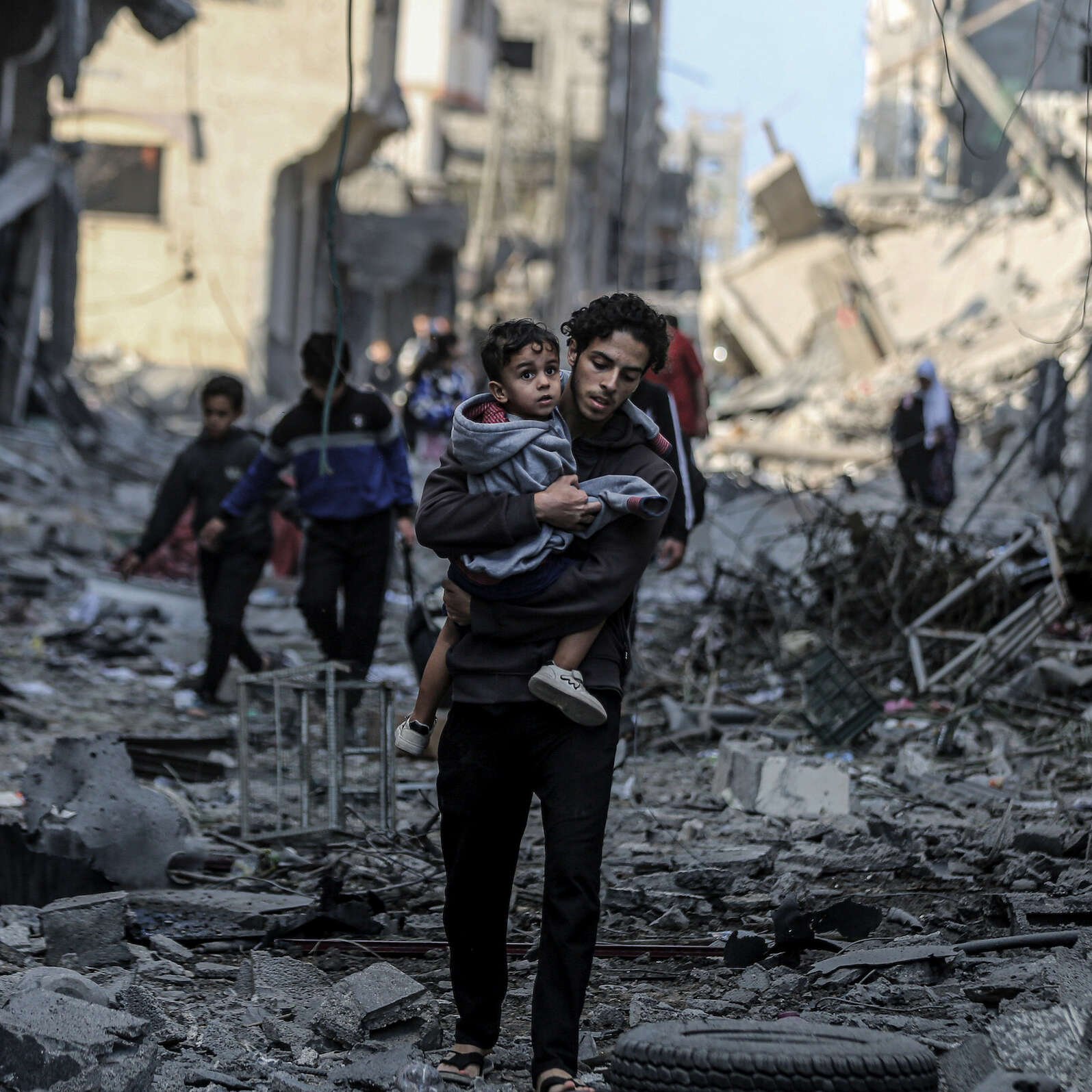
AMMAN, Jordan 15 Mar 2012 - The International Rescue Committee is starting deliveries of needed supplies for Syrian refugees seeking safety in Jordan as the turmoil in Syria shows no sign of abating.
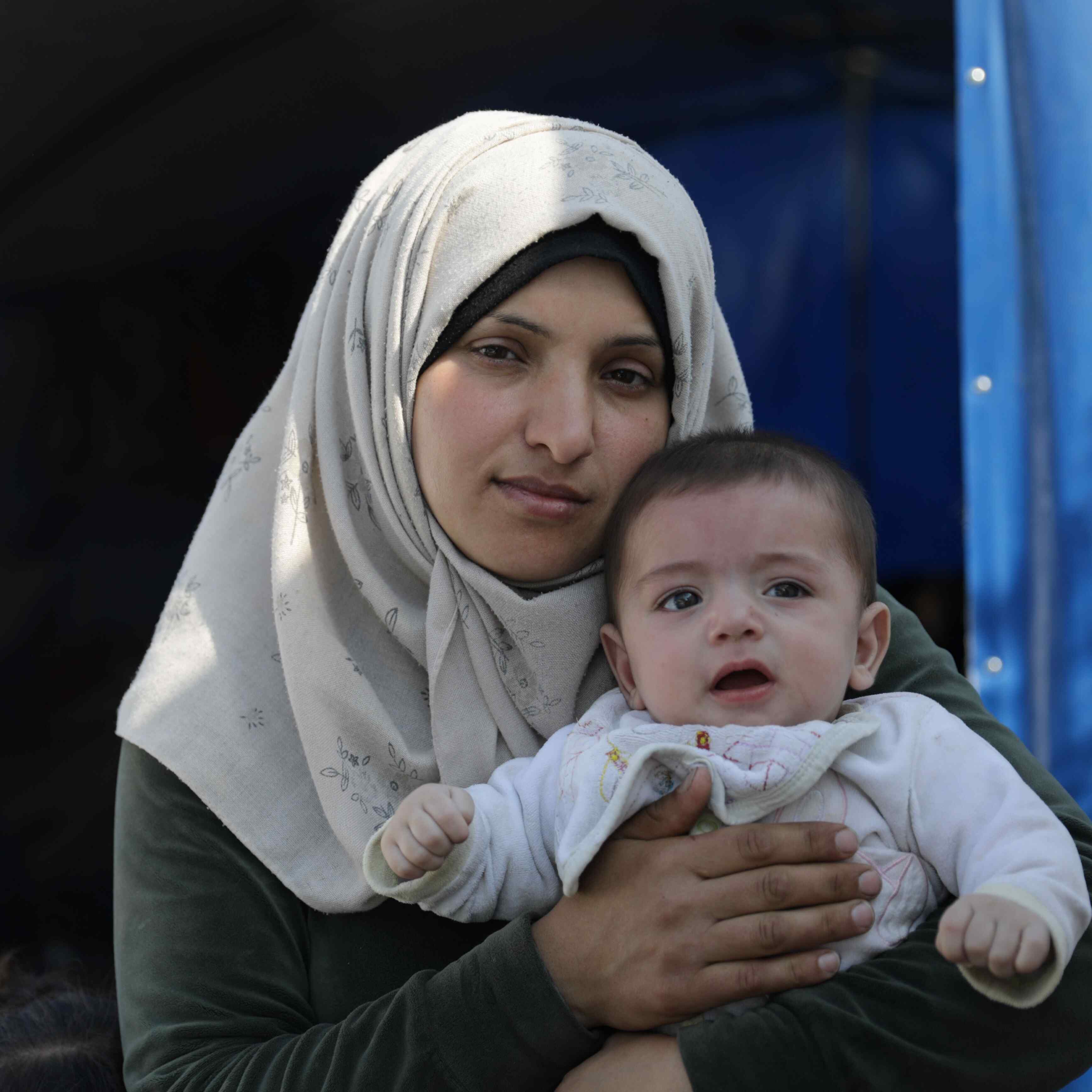
Every day, dozens more Syrians arrive in Jordan via a single border crossing. Others illegally cross the desert border, which makes them difficult to track. The UN Refugee Agency (UNHCR) says they’ve registered about 30,000 Syrian refugees in Jordan, Turkey and Lebanon over the past year. However, those countries report hosting tens of thousands more who have not registered with the UN.
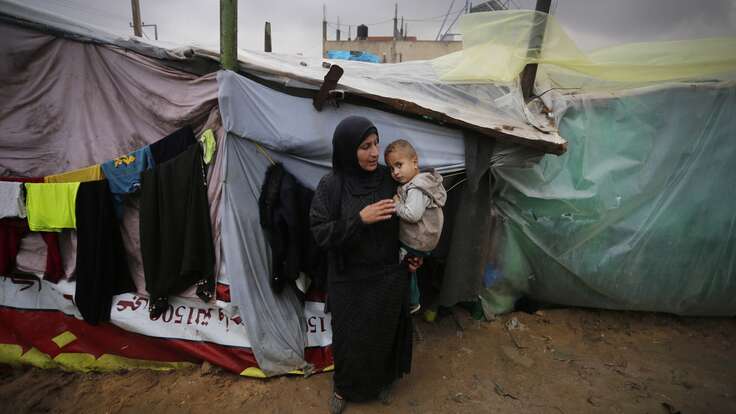
In Jordan, the majority head to the border cities of Ramtha and Mafraq with few belongings and limited means. Hundreds are provided temporary housing in a building contracted out to UNHCR in Ramtha. Living conditions are increasingly congested as multiple families share apartments or move in with Jordanian host families.
“Since the refugees are currently not allowed to work in Jordan, thousands have run out of money and can’t afford basic necessities,” says Luan Meraku, who recently carried out a needs assessment with other IRC emergency experts in Ramtha and Mafraq and is overseeing the IRC’s response there.
Meraku describes one family he met that crossed the border illegally three months ago and is now in temporary living space provided by a Jordanian family.
“There were nine of them packed into two cramped rooms,” Meraku says. “They had no kitchen and were cooking outdoors over a wood fire. They were mostly living on biweekly rations of macaroni supplied by a local relief agency.”
Despite the uncertainty and difficult conditions, those who’ve fled into Jordan describe Syria’s southern neighbor as a safe haven. But Meraku says many remain afraid.
“An atmosphere of fear pervades the refugee community,” he says. “Many are petrified that if they speak out or identify themselves, their relatives could become targets of the Syrian secret police, or when they return, they could face retribution for leaving the country.”
As a result, many are reluctant to register as refugees, which makes them difficult to find and harder to assist.
“This is not the classic refugee scenario, where they are living together in camps and are easily accessible,” Meraku points out. “The majority of the refugees are on their own, with very limited medical care, clothing, food or financial aid.”
The IRC is planning an initial distribution to refugees that includes clothing and hygiene supplies.
The IRC is also looking at ways to improve access to medical care for refugees in Ramtha and Mafraq, as well as providing subsidies to help pay their rent. An IRC women’s protection expert has also arrived in Jordan to evaluate the needs of women and girls with a view toward setting up specialized assistance.
In the meantime, the Assad regime continues to block aid from reaching victims of violence inside Syria, as the fighting moves into a second year.
“We have grave concern for the welfare of all civilians living in Syrian cities hit by violence,” says Meraku. “We support the call for an in-country ceasefire to enable humanitarian aid to reach those in need. We also urge the governments of Jordan, Lebanon and Turkey to keep their borders open to refugees trying to flee and to ensure that aid groups have open access to Syrian refugee populations.”
About the International Rescue Committee: A global leader in humanitarian assistance since 1933, the International Rescue Committee works in more than 40 countries offering help and hope to refugees and others uprooted by disaster, conflict and oppression. During crises, IRC teams provide health care, shelter, clean water, sanitation, learning programs for children and special aid for women. As emergencies subside, the IRC stays to revive livelihoods and help shattered communities recover and rebuild. The IRC also helps resettle refugees given sanctuary in the United States. A tireless advocate for the most vulnerable, the IRC is committed to restoring hope, dignity and opportunity. For more information visit www.rescue.org
Media Contacts
Ned Colt (Amman)
+92 345 501 4589 / ned.colt@rescue.org
Melissa Winkler (New York)
+1 646 734 0305 / melissa.winkler@rescue.org