Ecuador Education
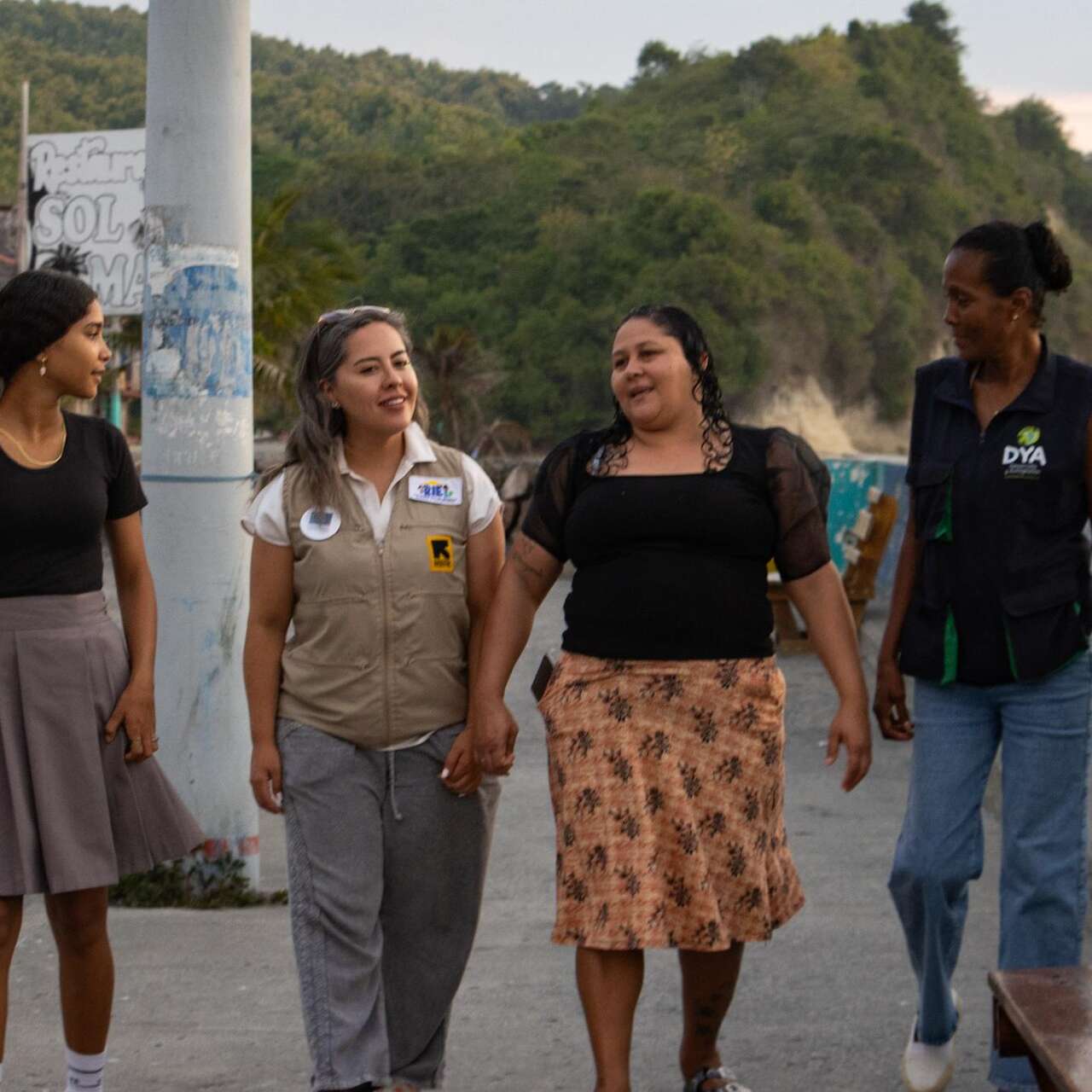
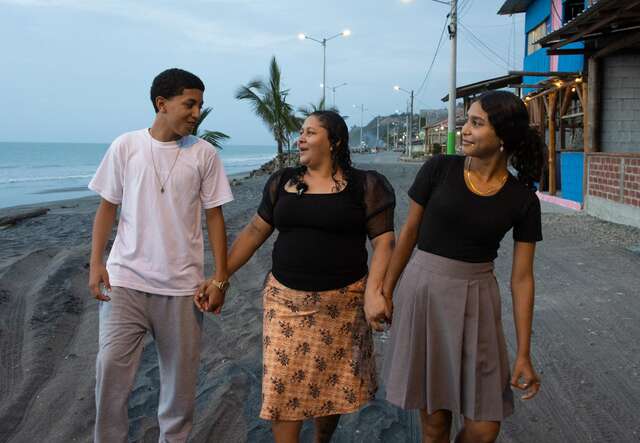
“They came home happy. They liked the teachers and learned new things every day,” says Yessica, recalling the afternoons after her son, Amber, and niece, Yari, began attending an EU-funded accelerated learning programme run by the International Rescue Committee (IRC) and its partners.
For Yessica, those afternoons marked a turning point. After years of migration, separation, and uncertainty, Amber and Yari (short for Yariannis) were finding their rhythm again. They were learning alongside other young people their age, building confidence, and beginning to feel at home.
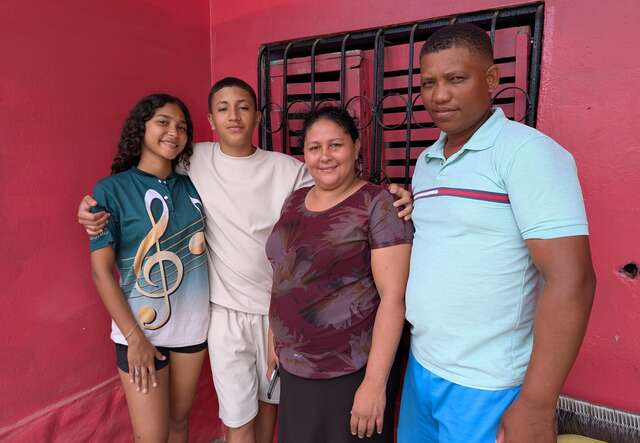
On paper, Amber, 15, and Yari, 16, are right on track. Last year, Amber was studying in the 10th year of Basic General Education while Yari entered the first year of High School, exactly where you’d expect them to be for their age. But for these two teenagers, getting there was no small feat.
Before joining the Pedagogical Leveling and Acceleration Program (NAP), a programme that helps students who have fallen behind catch up with their peers, both were behind their expected grade level because of disruptions to their education after fleeing Venezuela.
For Yessica, who is raising Yari as her own daughter, the change has been deeply meaningful.
For years, Yessica's family lived apart. In 2020, her son Amber traveled to Ecuador with his aunt, while Yessica remained in Venezuela to care for her father, who was ill. It would be four years before they could be together again.
In 2024, as the situation in Venezuela became increasingly difficult, Yessica’s family lost access to their land and were left with almost nothing. This is the moment Yessica decided to reunite with Amber and seek better opportunities for their family. She eventually travelled to Ecuador with few belongings and no clear idea of how she would rebuild her life.
“When I arrived, it was the beginning of a very difficult process because I came with nothing—I came empty-handed,” she recalls.
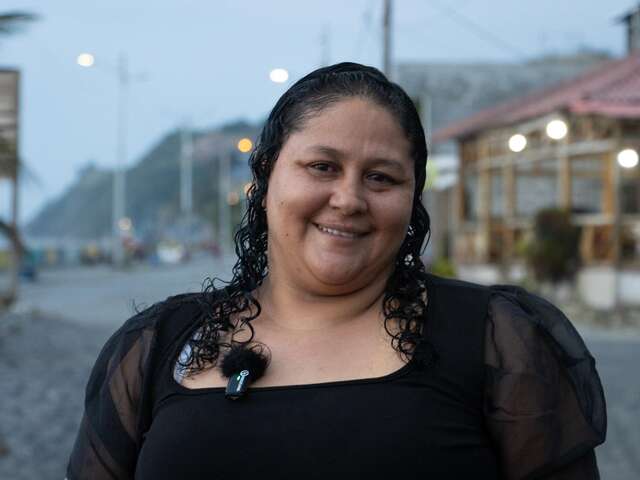
She began selling arepas with a small two-burner stove, gradually building a new life in Tonchigüe, a coastal community in Ecuador’s Esmeraldas province. Today, she sells fast food and cares for her family.
But migration had interrupted her children’s schooling. Their learning levels no longer matched those of other students their age, making it harder for them to feel settled in the classroom. For Amber, the gap was particularly difficult. “When Amber arrived in Ecuador, he could not read or write,” Yessica says. “He did not know anything.”
In Esmeraldas, insecurity and violence can also make it harder for children to remain connected to school and find safe spaces to learn and spend time. For Yessica, helping Amber and Yari return to a stable education was about more than catching up with lessons – it was about helping them recover a sense of direction after years of disruption.
Yessica learned about NAP through the school the children attended. Staff explained that the programme would allow them to complete the equivalent of two school years through an accelerated learning process, helping them move closer to the level expected for their age.
At first, she was unsure whether it was the right decision, particularly because of the insecurity and the violence in the area. She feared that enrolling the children in an alternative education programme might expose them to additional risks. But after speaking with another mother, she decided to let both children take part.
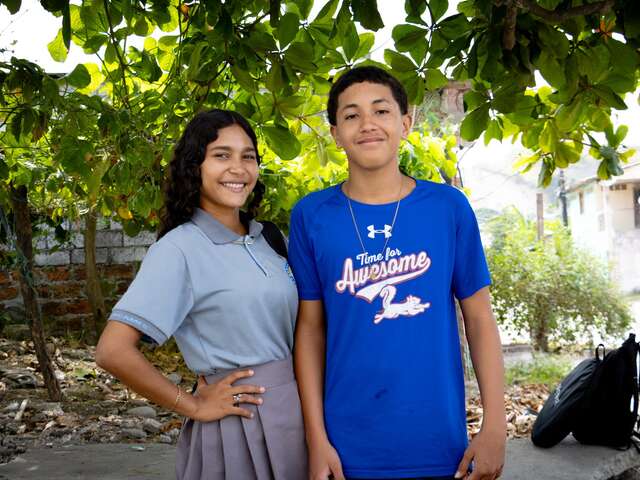
A choice she doesn’t regret. “I thank God for this project because it allowed my children to advance by one school year,” she says.
The classes gave Amber and Yari a supportive place to learn, with teachers who encouraged them and explained lessons clearly.
“They speak very highly of the teachers,” Yessica says. “They say they are very nice and explain things well.”
Yari also received psychosocial support, giving her space to talk through her experiences and strengthen her confidence. Alongside lessons, these trusted relationships helped the children feel listened to, supported, and safe. Thanks to IRC’s Healing Classrooms methodology, teachers also apply strategies that promote safe, supportive, and responsive learning environments.
The programme also provided school uniforms and education materials. For the family, this practical support made it easier for the children to return to school prepared and take part fully.
Yessica remembers how excited Yari was when she received hers. “With tears in her eyes, she said, ‘Thanks to the project. I cannot believe it. I cannot believe that I am already in the first year of Bachillerato when I should only be in 10th year.’”
By the end of the programme, Yessica could see changes that went beyond school results.
“They have become more mature, they think differently, and they are more confident about what they want and about moving forward,” she says.
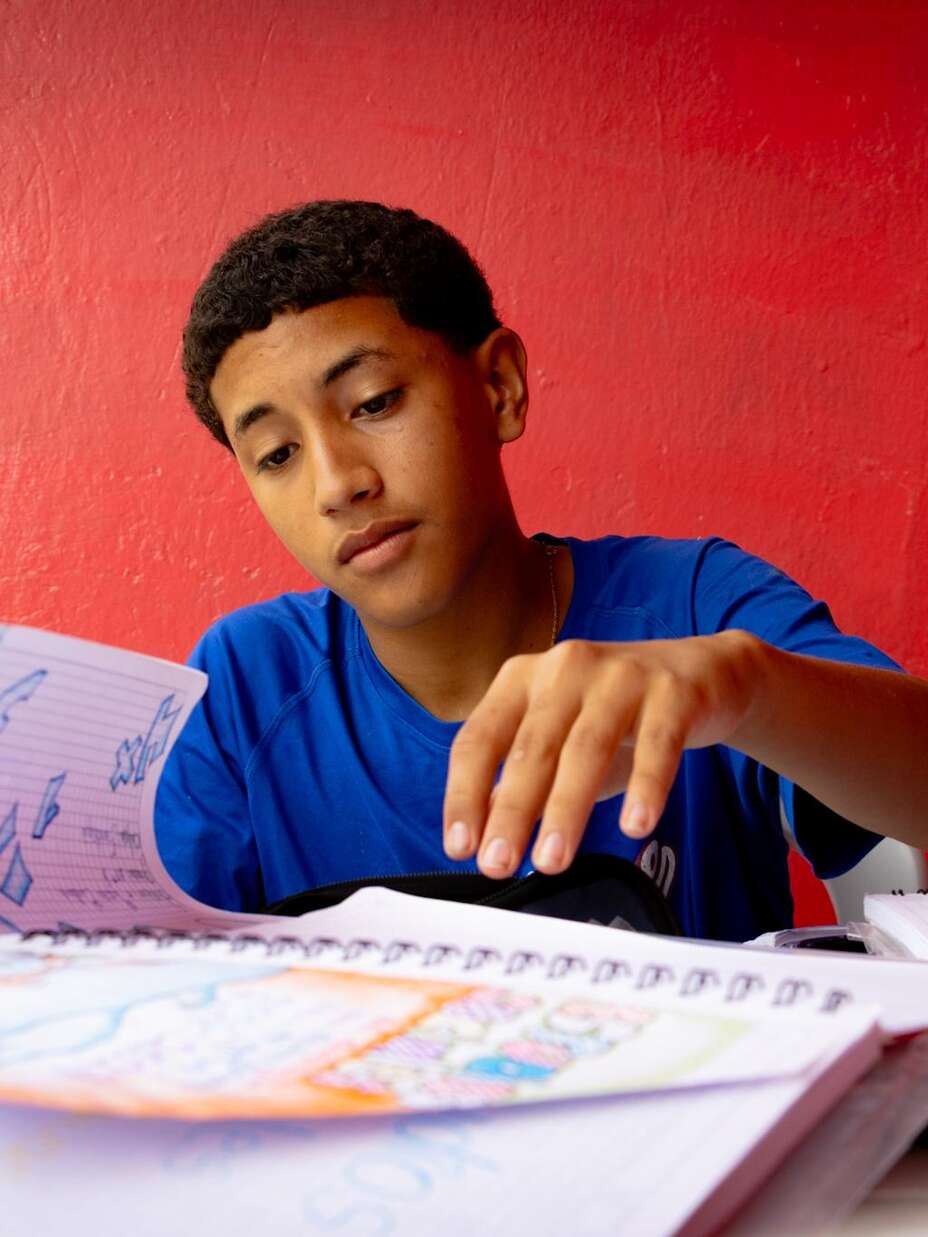
Amber is now studying alongside people closer to his own age. He says the programme helped him feel happier and more confident, and made it possible for him to continue learning at the level he should be. Education has opened more than one possible path for him. He wants to keep studying, while also learning barbering and thinking about becoming an entrepreneur. “I want to learn something that can help me work and maybe have my own business one day,” he says.
Yari is also looking ahead. She dreams of becoming a forensic criminologist and says the programme gave her the confidence to continue studying towards that goal.
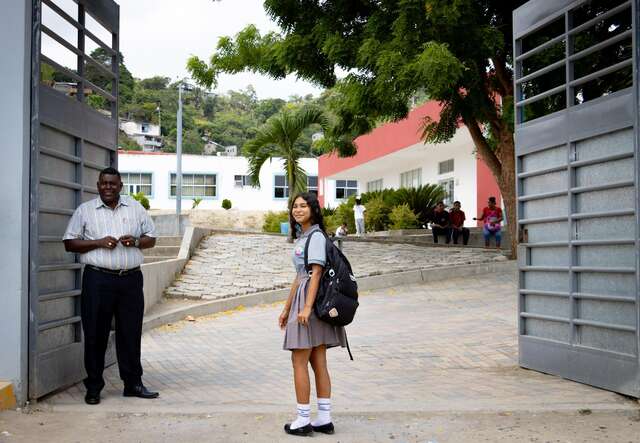
Yessica has seen the children’s progress recognised by their teachers, too. At school meetings, staff regularly spoke positively about their work and commitment.
“When I went to meetings, they always spoke well of them,” she says. “That made me feel very good.”
For a mother who has worked hard to rebuild her family’s life, those words were a source of pride.
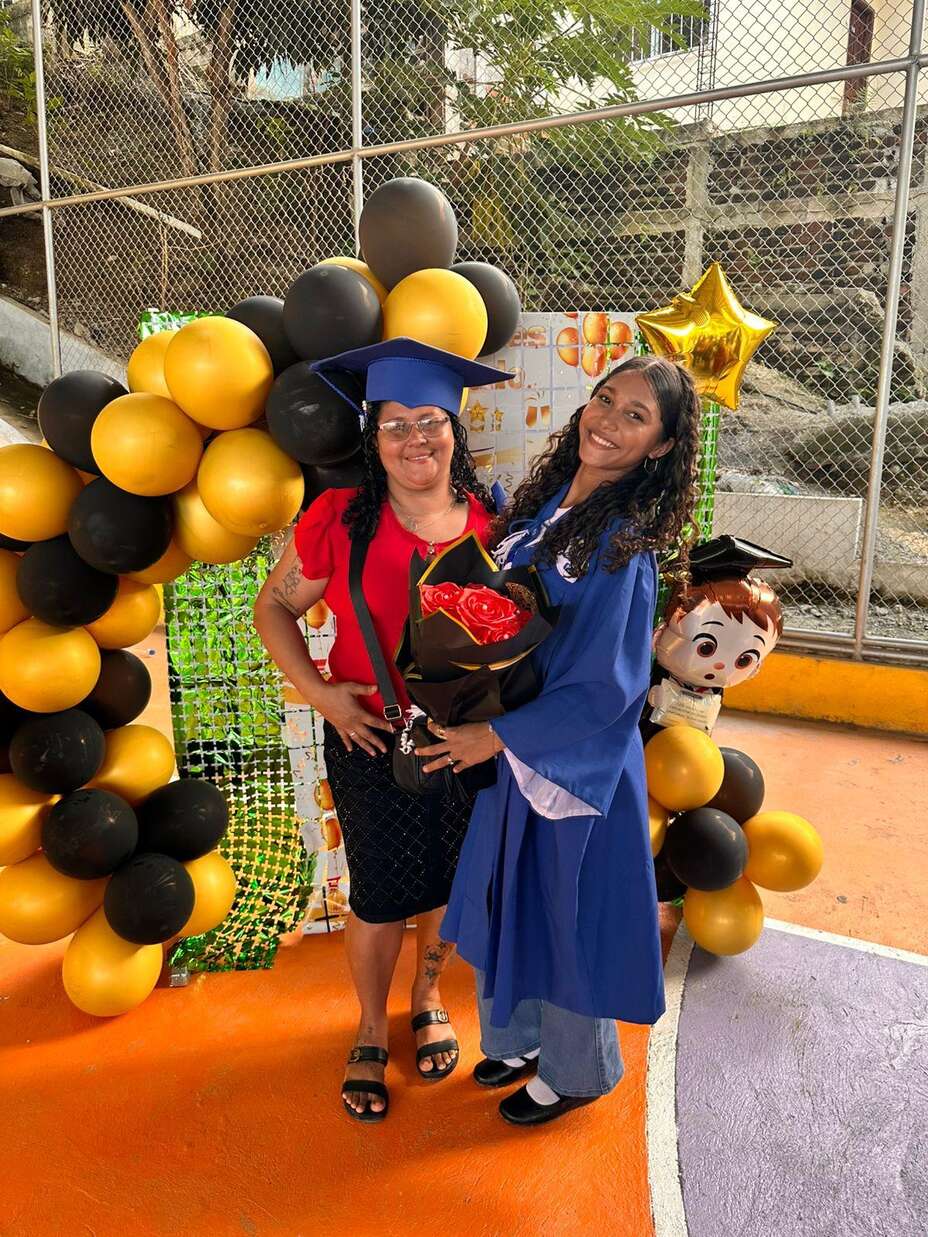
The family’s progress has not erased the challenges they face. Yessica continues to work to support the household, while insecurity and limited opportunities affect the wider community. She also recently underwent surgery for a tumour, making it harder to work.
But Amber and Yari now have something steady to build on. They have returned to education and begun to imagine futures shaped by their own hopes.
“For them, it has been the best,” Yessica says of NAP. “They felt sad when it ended; they wanted to stay.”
She also has a message for families arriving in Ecuador after migration has disrupted their children’s education.
“If they have the opportunity for their children to enter the NAP programme, they should not hesitate,” she says. “It is a great benefit. Time goes by quickly, and it has been the best thing in my children’s lives.”
Stories like Amber and Yari’s show why education in emergencies matters. When children lose time in school because of migration, insecurity, or crisis, a safe and flexible programme can help them recover missed learning while rebuilding a routine.
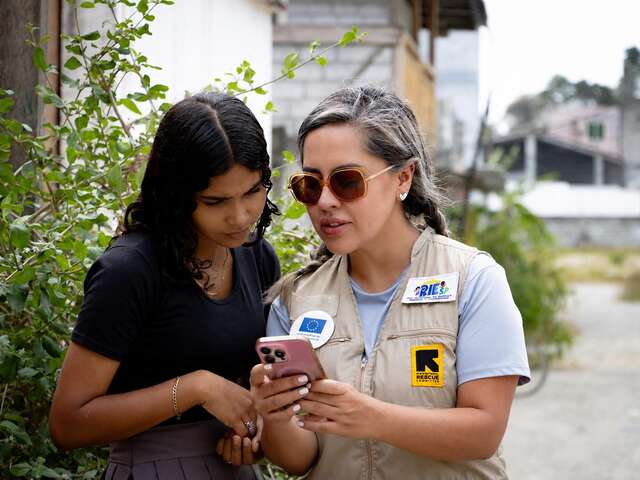
Through NAP, implemented by the IRC with local partners, including DYA, and funded by the European Union, almost 1,940 children and adolescents accessed support between May 2025 and June 2026 to catch up on learning and stay in school.
Continuing this work means helping families like Yessica’s protect their children’s right to education and turn past challenges into new possibilities for the future.

The International Rescue Committee partners with the European Union to provide life-saving support to people caught in conflict and disasters around the world. Our work funded by the EU enables people to survive, recover and rebuild their lives.