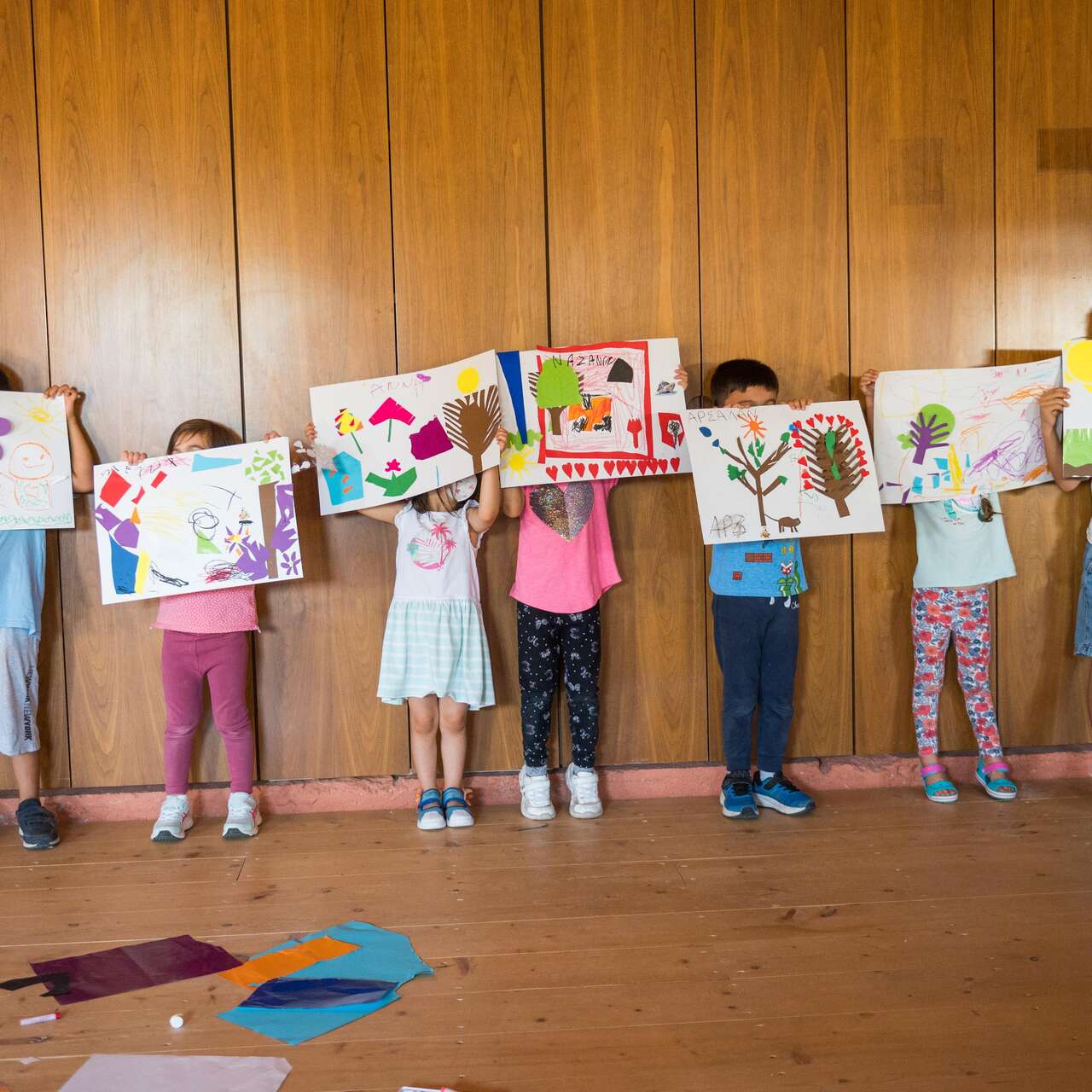
The IRC in Greece
In 2015, the world watched as Greece became the primary gateway for hundreds of thousands of refugees fleeing conflict in Syria and beyond. It was within this pivotal moment that the IRC began operating in Greece.
For the past ten years in Greece, the IRC Hellas has stood as a dedicated partner to populations experiencing vulnerability, civil society and government bodies, helping people recover, rebuild and regain control of their lives.
Today, as IRC Hellas marks its 10th anniversary, the scale of its impact is evident in the numbers.
Over the last decade, the organisation has directly supported more than 125,000 individuals, including 31,000 children. Refugee.Info, a digital helpdesk and information hub, has attracted nearly 650,000 visitors seeking answers in a time of uncertainty.
Support has ranged from immediate emergency assistance and sanitation infrastructure in refugee facilities to comprehensive programmes designed for long-term integration and livelihood generation.
The core of IRC Hellas’ work rests on several strategic pillars that address the most critical needs of displaced communities.
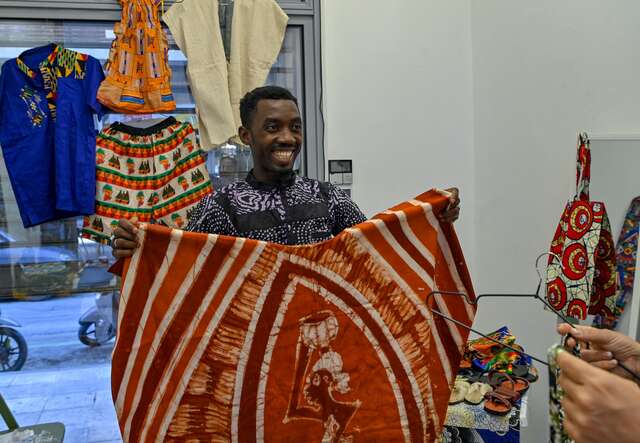
In Economic Empowerment, more than 15,000 people have received financial assistance, business grants, and skills training in language and digital literacy, fostering self-reliance and connecting them with the private sector.
Recognising that trauma follows displacement, the Mental Health and Psychosocial Support programme has reached over 9,000 individuals through counselling and community activities that promote well-being.
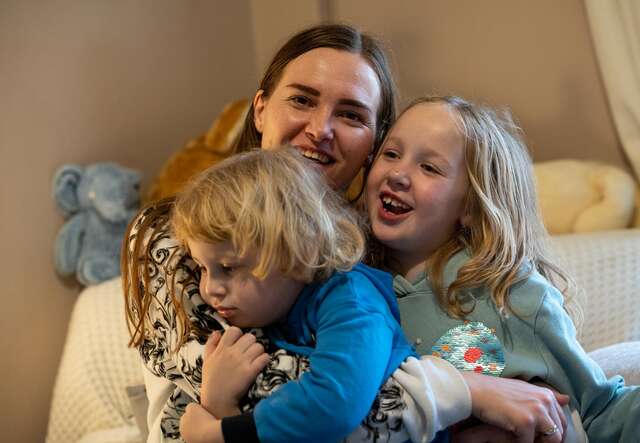
Child Protection is one of the IRC Hellas’ core priorities, with services provided to over 6,000 children and parents, including 2,156 unaccompanied minors who found safe accommodation and case management.
Simultaneously, the organisation has also worked to protect displaced and migrant women from violence, supporting more than 4,000 survivors of gender-based violence while implementing prevention programmes within communities.
Beyond direct service delivery, the IRC has strengthened the broader civil society ecosystem in Greece.
Through Capacity Building, the IRC has trained over 3,500 professionals working in public institutions and NGOs in Greece. IRC Hellas has collaborated with more than 68 organisations from civil society, academia, and the public sector, and has supported other Greek NGOs with more than €7.6 million to implement programmes.
Meanwhile, the IRC Hellas’ Advocacy efforts have also produced expert publications and policy recommendations, documenting the realities of refugee life and pushing for policies that address needs and challenges.
As IRC Hellas looks to the future, its ten-year legacy is clear: from navigating some of the most challenging chapters of modern refugee history since 2015, to the robust multi-faceted support system in place today, the IRC continues to be a vital force for human dignity in Greece.