Community leaders in action
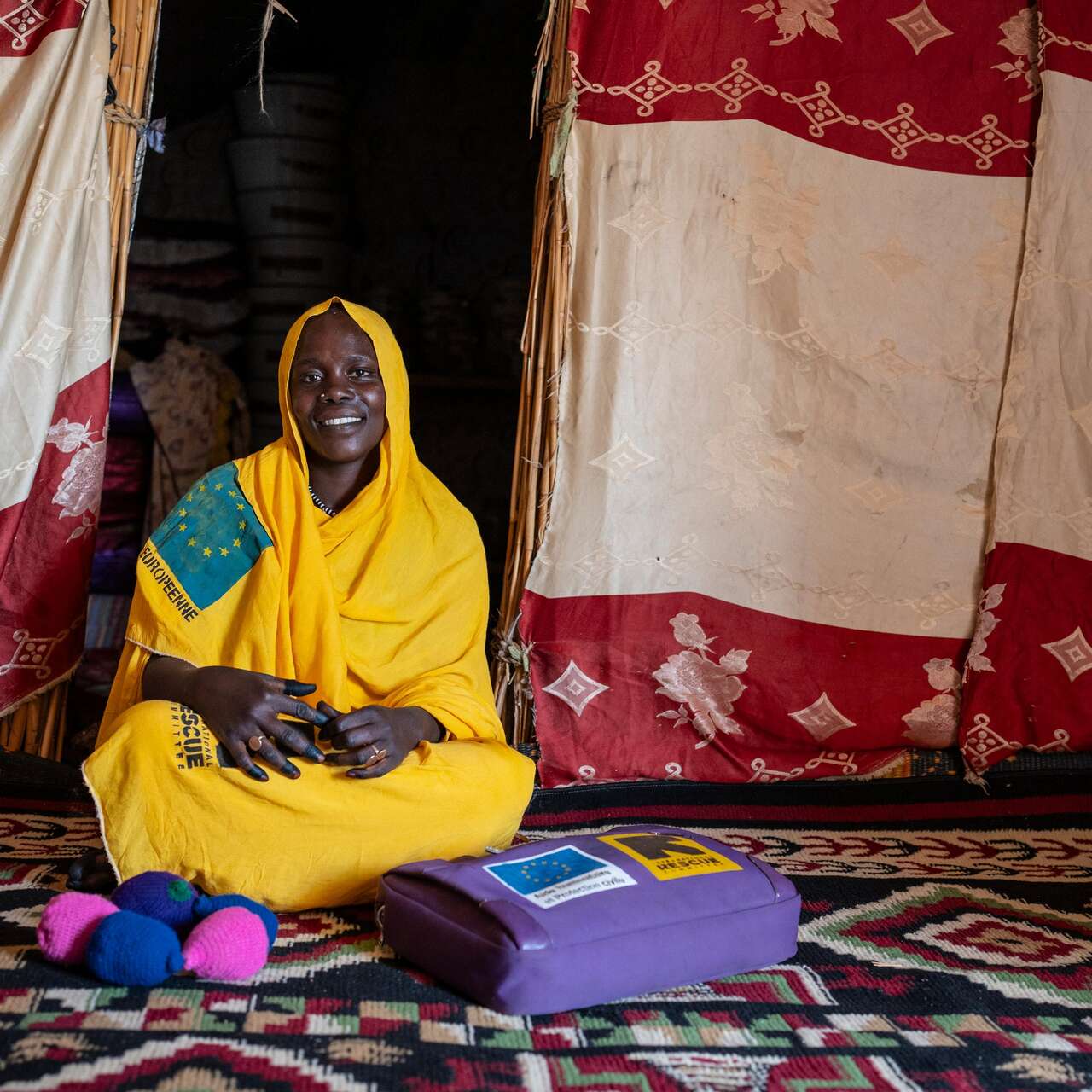
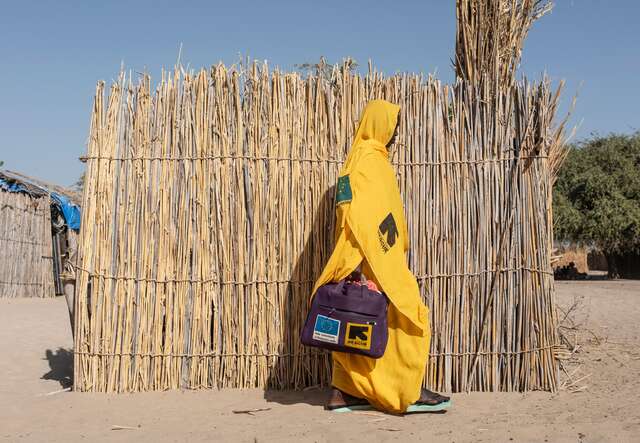
Every day, Bintou Kerim crosses the rivers around Tagal, located in Chad's Lac Chad region, to reach 15 to 20 women.
"From 9 am to 3 pm, I cross the rivers to help women by raising awareness on the importance of exclusive breastfeeding, hygiene and a healthy mother's diet," she explains.
Bintou, 23, is a volunteer facilitator with the International Rescue Committee (IRC), teaching mothers in her community about infant and young child feeding (IYCF). She started with her own family. "I started with myself before raising awareness among others," she says.
Chad faces prolonged conflict and the hazards of climate change, which prompted the Chadian government to declare a state of food and nutritional emergency in February 2024.
Pregnant and breastfeeding women, along with children under 5, are among the most vulnerable of those displaced by the crisis. Children aged 6 to 23 months are usually the most affected by acute malnutrition, making awareness of breastfeeding practices critical to a child's survival and healthy development.
In the country's Lac province, the IRC works with volunteer facilitators within local communities to educate parents on optimal feeding practices for their children, funded by the European Union (EU).
Bintou moved from Baga Sola to Tagal five years ago after she was forced into marriage. Her husband's family was displaced ten years ago by nonstate armed groups. She is now a mother of three: Abdelkrim, 5, Fatime, 3, and Zara, 2.
Displacement places heavy demands on mothers in Chad. "There are many challenges for women: problems at home, women with childcare responsibilities trying to feed their children," Bintou explains.
Her second child, Fatime, fell ill with vomiting and diarrhea. Bintou was advised to take her to the health center, a 10-minute walk away. "It was there that I discovered she was ill," she says. "The IRC staff works there, and medicines are free."
It was there that Bintou first learned about infant and young child feeding (IYCF).
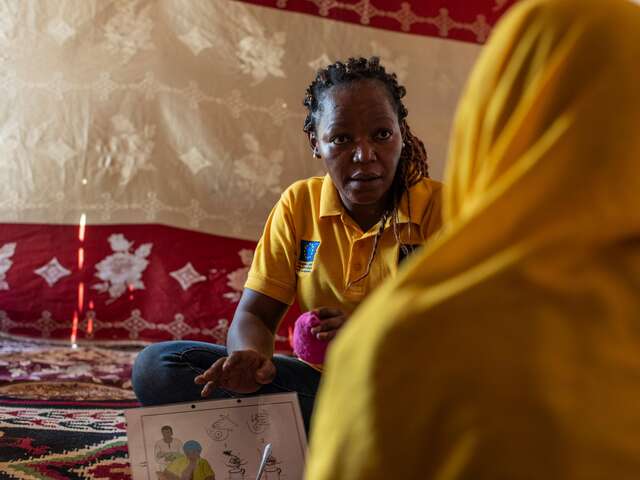
"When my daughter fell ill, it was difficult," Bintou says. "When I was made aware of the hygiene, IYCF and prenatal consultation, I put my third child on exclusive breastfeeding and she is healthy."
The difference she saw in Zara, her third child, changed her direction. She became a volunteer facilitator with the EU-funded IRC program, raising awareness of IYCF across her community.
"The IRC is supporting me in building my capacity to help my community so that children don't fall ill," she says.
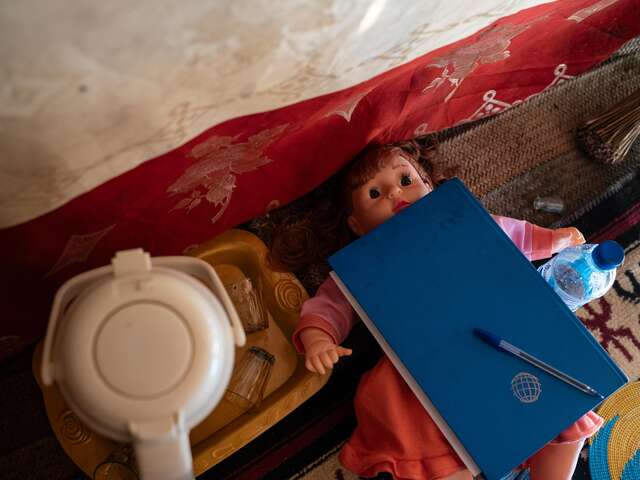
In Tagal, contaminated water raises health risks across the community. "We don't have quality water," Bintou says. "We draw water from the river which has been taken over by weeds, so we have a serious water problem here."
For generations, it was advised to give water to newborns. As the water is increasingly less clean, that advice is changing. "Before IRC, they advised us to give water," Bintou says, "but now with the awareness and lessons learned from the IYCF sessions, they say not to give water before 6 months."
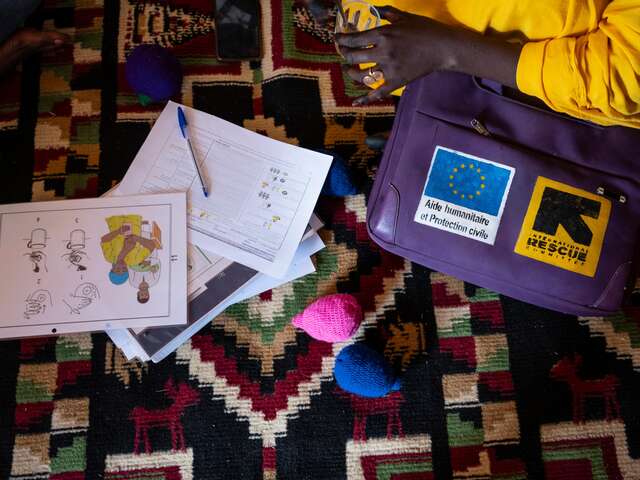
"Every day, I educate 15-20 women on the importance of breast milk, on vomiting and diarrhea in children caused by water, as breast milk contains water and vitamins," she explains.
The results are visible. "Children used to have diarrhea, vomit and get sick," Bintou says. "But now with exclusive breastfeeding, they're healthy."
As someone who wasn’t born in Tagal, Bintou's role also allows her to meet and connect with other women. Alongside sharing feeding practices, these EU-funded sessions give women a reason to leave their homes, socialize and take an active role in their communities.
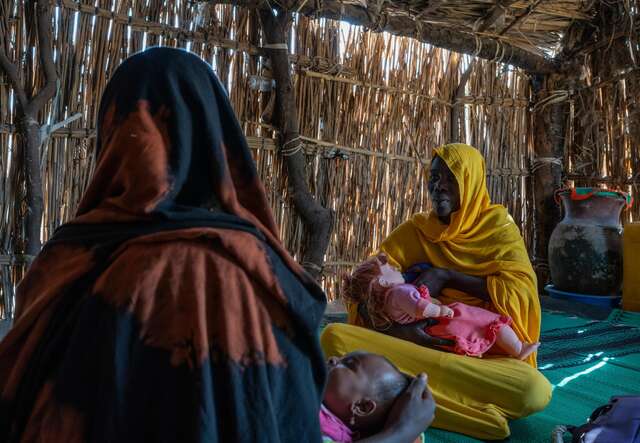
Bintou treasures the time she spends with her children—quiet moments in the morning and after dinner. "I like to see them play with each other," she says. "If they're not sick, I'm happy, but if they are, I don't feel well either."
Bintou never had the chance to complete her education. "I regret not having gone to school," she says. "My education now depends on my husband and if I get an education, I'll stop having children and he won't accept it."
For her children, she wants something different. "What I want for my children is education."
Women and girls in the region face serious risks, including gender-based violence (GBV). "I wish that efforts are taken to find solutions to these pressing issues," Bintou says.
Her advice to young girls in Chad comes from her own experience: "My advice to young girls in Chad is to focus on education to avoid unwanted pregnancies."
The International Rescue Committee partners with the European Union to provide life-saving support to people caught in conflict and disasters around the world. Our work funded by the EU enables people to survive, recover and rebuild their lives.