Child malnutrition
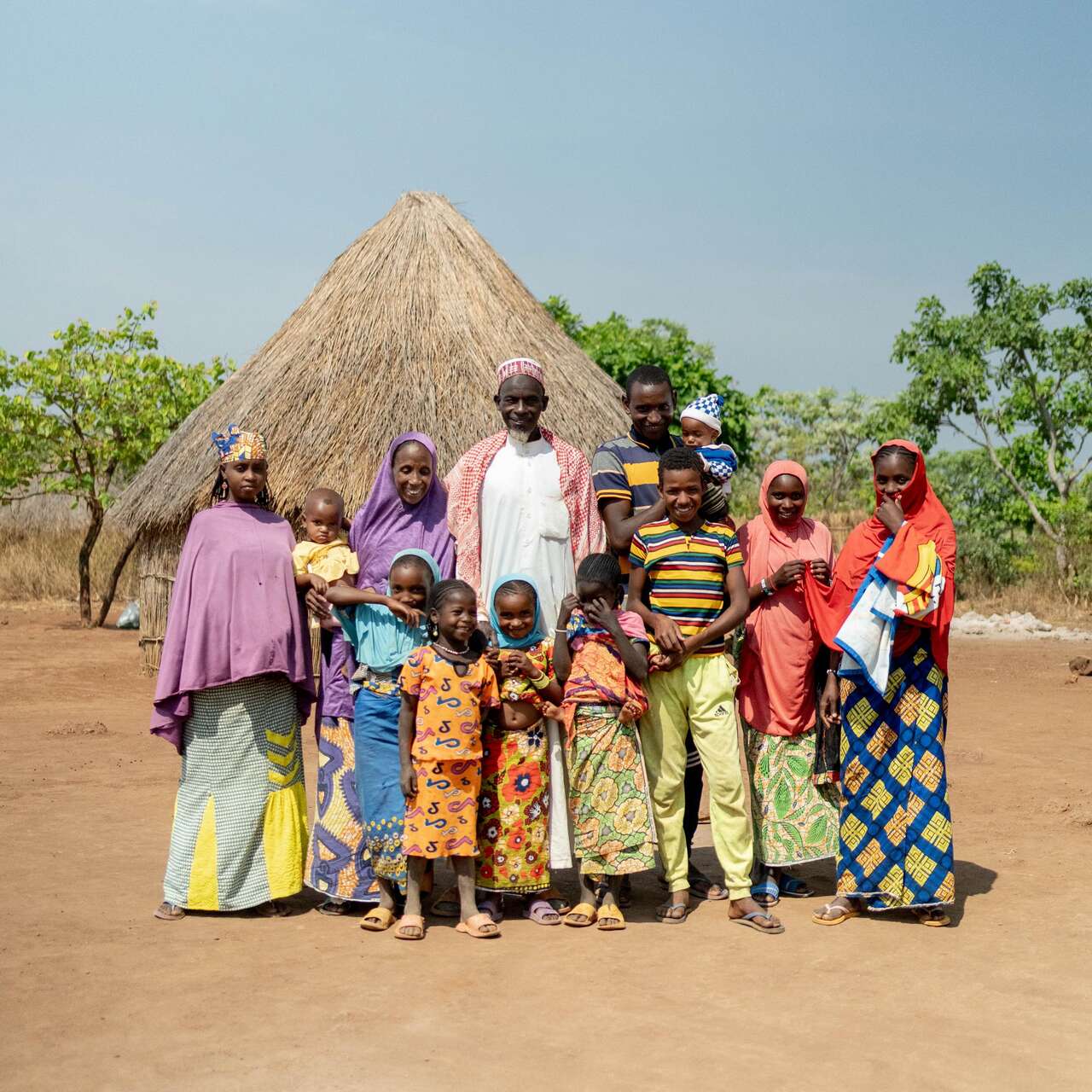
For years, Maimouna and her family struggled to survive near the Cameroon border. With little work available and few opportunities to earn an income, she spent her days collecting and selling firewood to put food on the table. Even so, it was not enough to provide her family with healthy, nutritious meals or pay for medical treatment.
"Life was very difficult, which is why we came here hoping for a better future," Maimouna says.
The hardship stretched across generations. Maimouna's mother-in-law, Hapsatou, remembers long periods of hunger and the impossible choices families faced when someone fell ill.
"There were times when we went three days without food," Hapsatou says. "Even if you have a little money to go to the hospital, they'll refuse to treat you. You need at least 10,000 francs to get treatment. But where can we find that kind of money?"
In search of greater stability, three generations of the family set out together: Maimouna, her mother-in-law Hapsatou, her husband and Maimouna's young daughter, Fadimatou. They travelled to the Central African Republic (CAR) with other relatives, hoping to find better opportunities and access to healthcare.
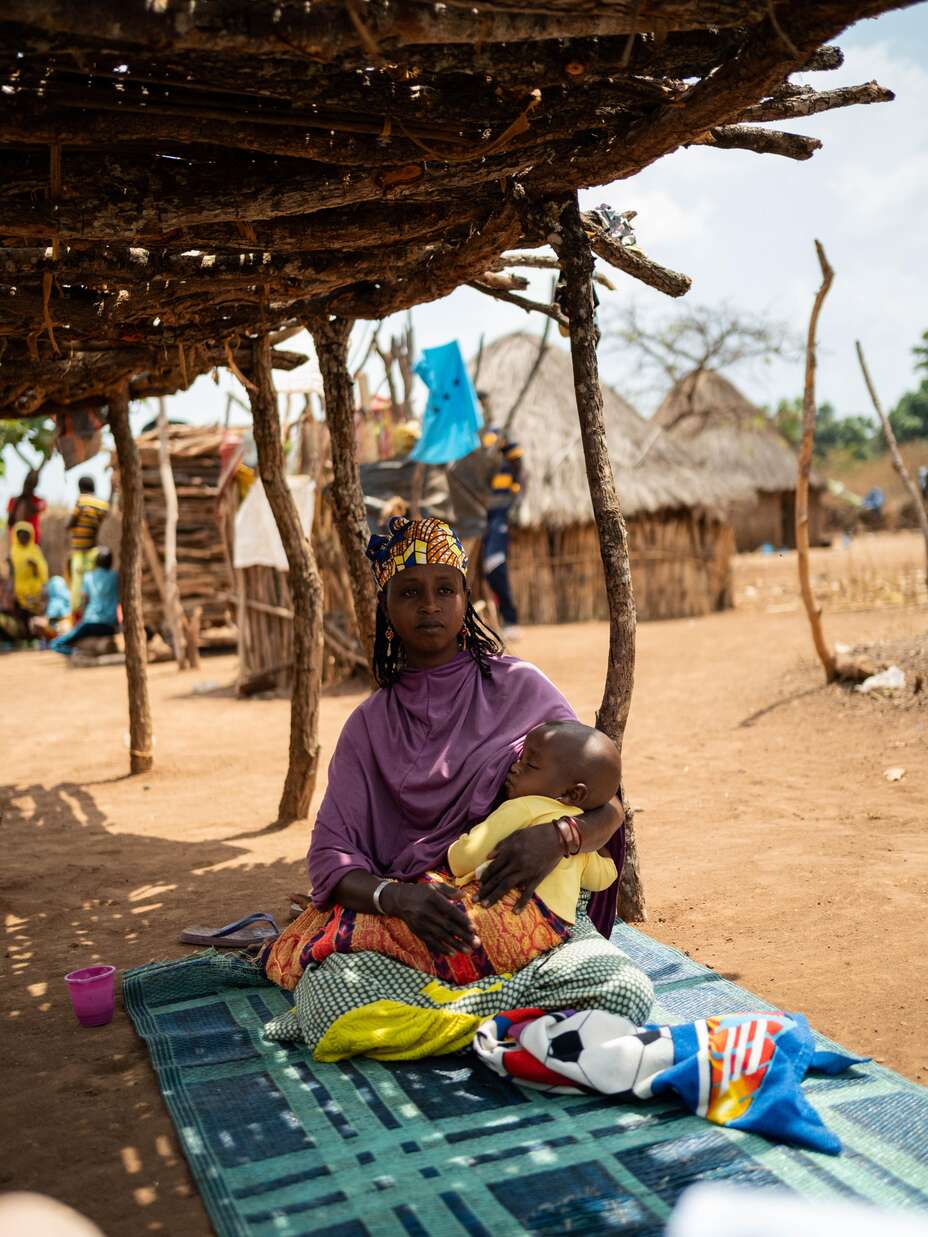
But Fadimatou had fallen ill before they left Cameroon and the difficult journey worsened her state.
"All we had to give her was porridge, but she kept vomiting," Maimouna recalls. "That's when we knew she was becoming seriously ill."
The family's experience reflects the challenges faced by many households in northwestern CAR. In the Nana-Mambéré region, years of armed conflict disrupted livelihoods, displaced communities and left many families struggling to access healthcare and adequate food.
"About ten years ago, there were a lot of clashes," says Dr. Cyprien Masaka, the IRC's nutrition program coordinator for CAR. "There were a lot of armed groups and this limited the access of humanitarian actors to go and bring aid."
The conflict also weakened local health services. By the time humanitarian organizations were able to expand their presence in the region, many health facilities lacked staff, medicines and equipment.
"When we got there, we really saw children with signs of severe acute malnutrition," Dr. Cyprien Masaka says. "The health structures were there, but they weren't functional. They didn't have much human capacity. There weren't any drugs and equipment."
For families like Maimouna's, that meant children often went without treatment until they became seriously ill. Fadimatou's condition was worsening when help finally reached her community.
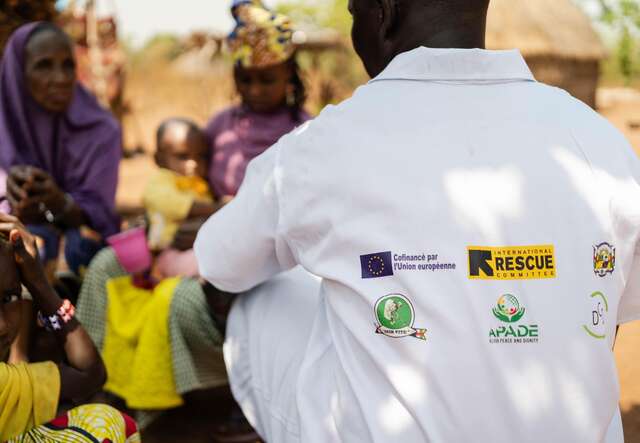
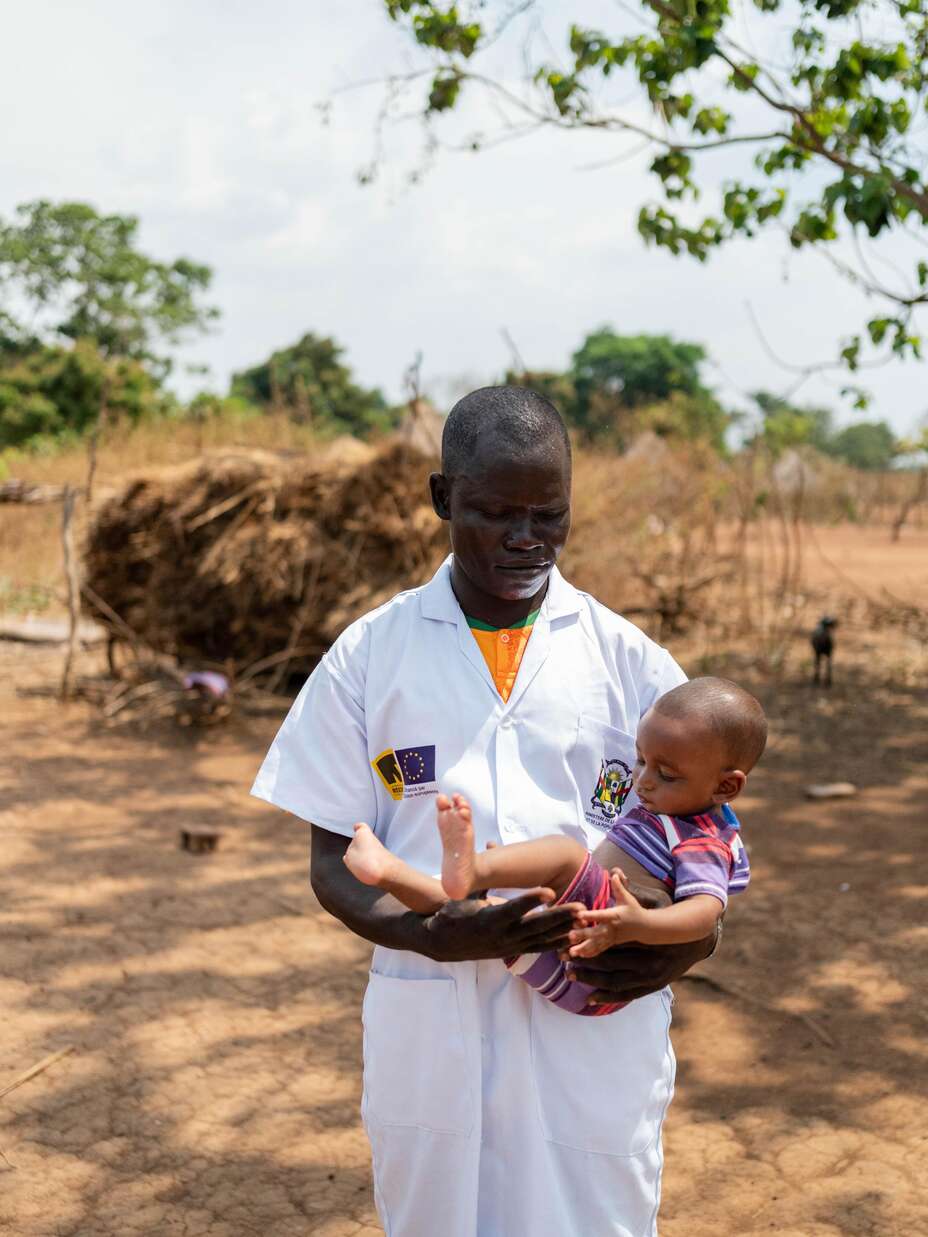
Marcel Goro has spent years working as a community health worker. Rather than waiting for sick children to arrive at a clinic, he goes from household to household looking for them. His work is part of a program supported by the European Union, which funds the International Rescue Committee (IRC) to prevent and treat child malnutrition across the Nana-Mambéré region.
“My role is to identify children with malnutrition in my village and connect them with treatment,” he explains.
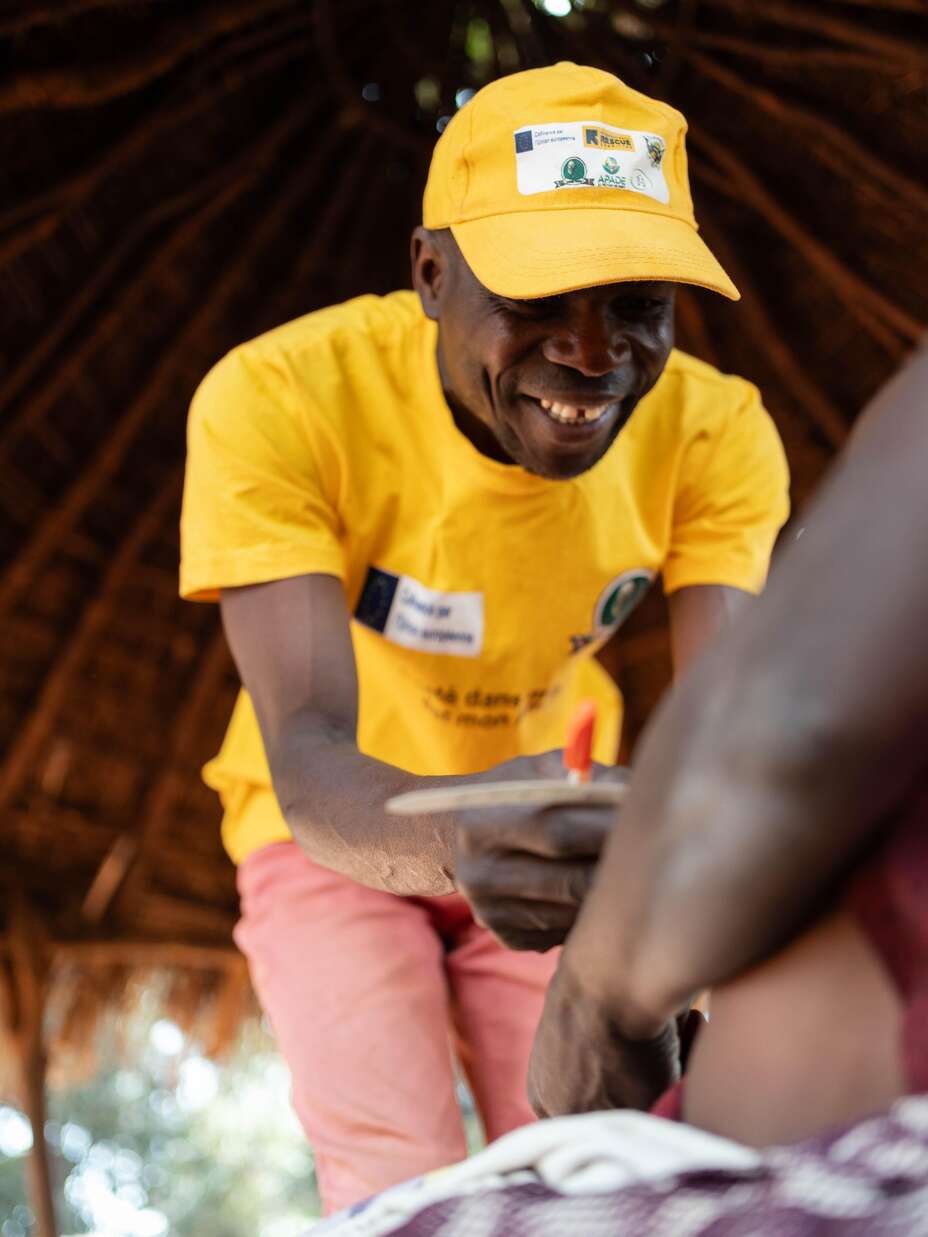
Twice each week, Marcel visits families across the community, measuring children’s upper arms with a simple color-coded tape. Red indicates severe acute malnutrition. Yellow signals moderate acute malnutrition. The simple process takes only seconds, and it can save lives.
But the work of travelling to the nearby villages and following up with families is not as easy. “There are still rebels hiding in the surrounding forests,” Marcel says. “They prevent mothers from working peacefully in their fields, from being stable, and from being able to feed their children. They are constantly forced to move around, to flee.”
Food and clean water also remain difficult to access, increasing the risk of malnutrition among children.
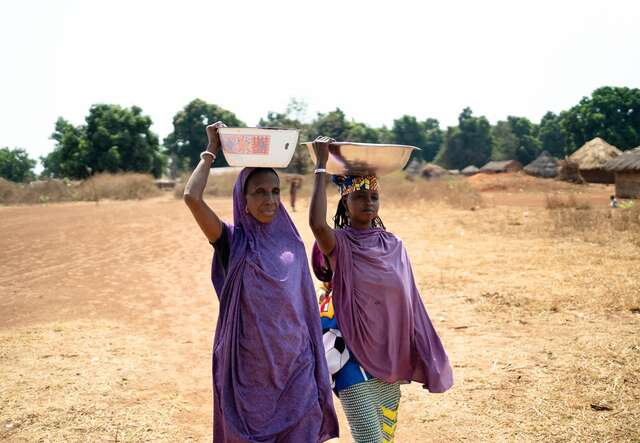
It was through this door-to-door screening system that Fadimatou was identified and referred to a health centre, where she was diagnosed with severe acute malnutrition and began treatment.
“She was sick, so I took her to the hospital,” Maimouna says. “They gave her shots, then pills, and also packs of peanut-based paste [a high-energy paste used to treat severe acute malnutrition in young children]. After weeks of treatment, her fever went down, and she started gaining weight.”
The family also received cash assistance to help cover food costs while Fadimatou recovered.
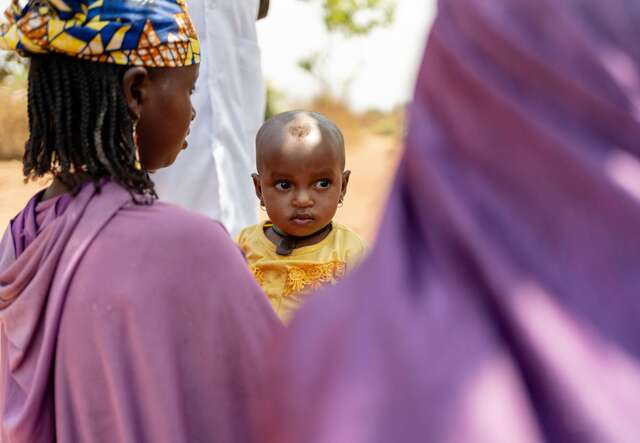
The change came quickly. “Now she’s back to a healthy weight,” Maimouna says. “She’s no longer sick. She can walk, play and eat on her own again.”
Because Fadimatou recovered, Maimouna was able to return to work.
“Since she’s not sick anymore, I can sell my bundles of firewood again, and my husband works at the gold mine. That’s how we make money,” she says. “Every time I see the doctor at the health centre, I am grateful.”
The cash assistance also helped the entire household. “We buy rice, ingredients for soup and oil,” Hapsatou says. “We have food morning and night. That’s why everyone is in good health here.”
Individual recoveries like Fatimatou's have added up. Door-to-door screening reached 80 percent of households and has led to a drop in cases — still above where it should be, but a real shift. Dr. Cyprien Masaka says the difference is that they can flag cases like Fadimatou’s earlier. In this region, parents usually wait until a child is critically ill before seeking help. "Only when it gets very complicated, very severe — that's when they bring them in." Breaking that pattern requires someone to go out to look. That's what Marcel does.
For Marcel, the evidence is right in front of him. "Before the project arrived, there were so many cases of malnutrition. But as soon as we started working hand in hand, I really noticed a decrease in the number of cases on the ground."
For Maimouna, the change is not about statistics. It is about watching her daughter walk on her own, eat on her own and play by herself — things that felt impossible a year ago. The programme did not just treat Fadimatou. It gave her mother her life back, too.
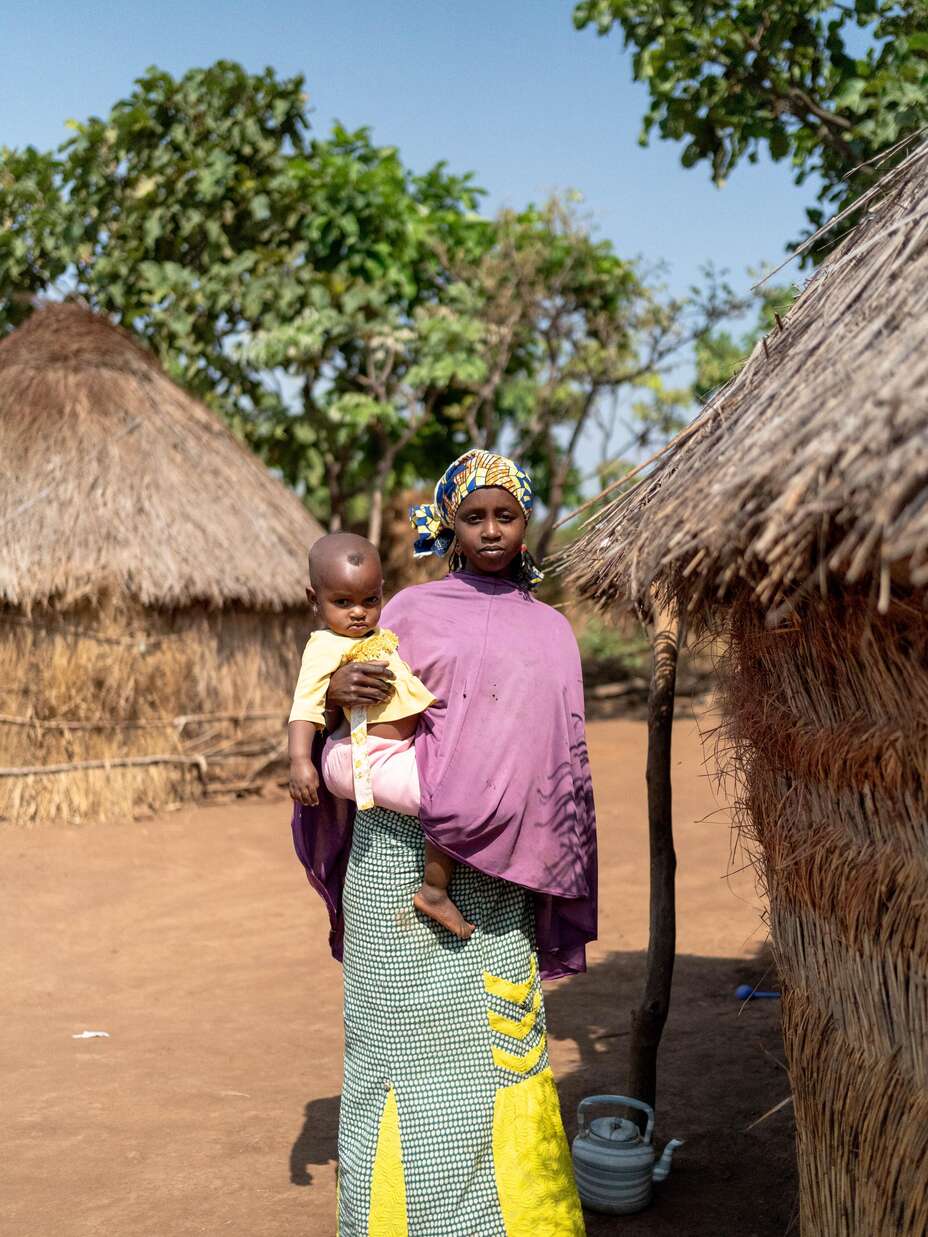
With support from the European Union, the International Rescue Committee (IRC) works across the Nana-Mambéré region to prevent and treat child malnutrition.
The program supports nine health facilities and 14 community care sites. It trains health workers and community health workers, provides medicines and therapeutic foods, rehabilitates health infrastructure and delivers cash assistance to vulnerable households.
The IRC implements the program alongside local and national partner organizations and in coordination with district health authorities and the Ministry of Health.
For communities affected by years of conflict and displacement, reaching families often requires more than medical supplies. It requires trust—built one visit at a time by community health workers like Marcel, who continue returning to families long after treatment begins.
The International Rescue Committee partners with the European Union to provide life-saving support to people caught in conflict and disasters around the world. Our work funded by the EU enables people to survive, recover and rebuild their lives.