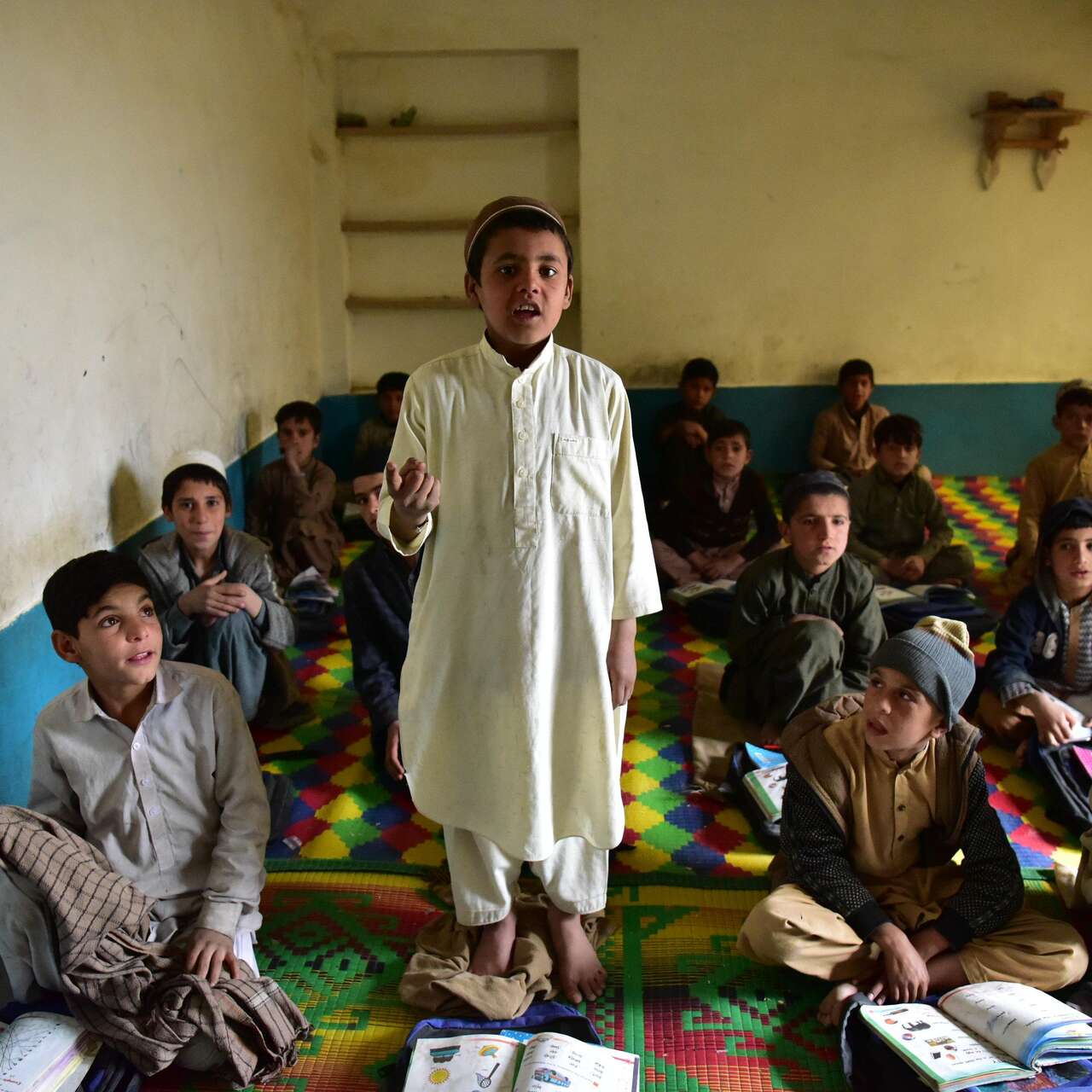
Education in Pakistan
In Pakistan, displaced communities have spent years living with uncertainty. They often struggle to secure stable housing, work and access to basic services, which makes it hard to plan for the future. Many families live in refugee villages, busy towns, and makeshift settlements, where it is often hard to find nearby schools.
Daily life can be especially tough - families live on very low incomes and rely on daily-wage, informal work just to get by. As a result, children are often under pressure to help support their families instead of continuing their education, which can close off opportunities later in life.
Among these families is 12-year-old Attiq Ullah, who lives with his parents, five brothers, and two sisters. His father works as a wood chopper at a lumber yard, but his earnings barely cover the basics, so Attiq’s older brothers seek income through informal trade in tea leaves. For a time, Attiq left his studies to join his brothers to help support his family through this work.
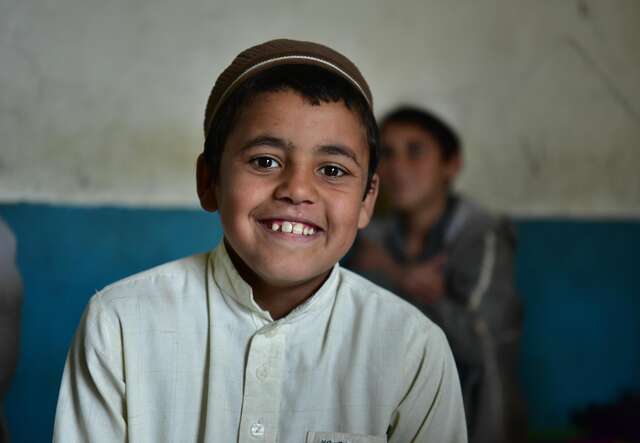
Everything changed when an Accelerated Learning Program (ALP) Centre opened in his neighbourhood. One morning, when the border was shut, and he stayed home, Attiq saw children walking toward a nearby house with school bags. A friend told him about the new education centre, where children received free books, played football, and learned reading and writing. That evening, Attiq mentioned the centre to his family at dinner. His father and brothers encouraged him to enrol and promised to manage without his help, with one condition: he would stay in school this time.
Through an EU-supported project providing integrated education, health and protection services in Balochistan Province, the IRC established an Accelerated Learning Program (ALP) in Attiq's community.
The centre Attiq is attending is one of 18 that provide education for children who have never been to school or who have dropped out.
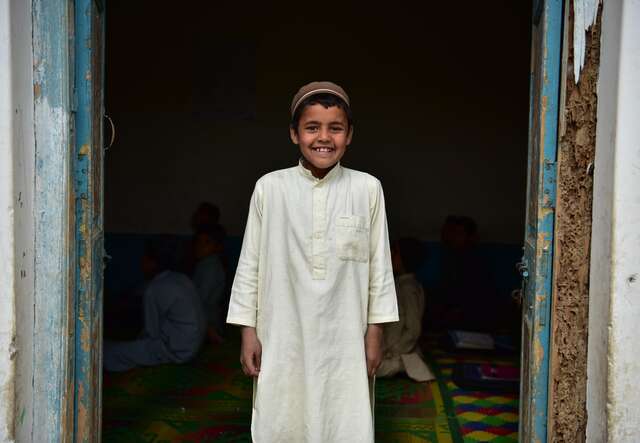
Since enrolling four months ago, Attiq has not missed a single day. “I love spending time at the centre. The best part of my day is playing football with my friends,” he said. “I already knew how to recite Arabic, but now I can read and write as well.”
Many displaced families in Pakistan continue to face an uncertain future. They fear that sudden changes could force them to move again, disrupt children’s education and pull them away from the neighbours and communities they have known for years. In this situation, having access to safe learning spaces and reliable support helps children feel more secure and gives families strength to keep going.
With support from the European Union, the IRC is providing education services for displaced people and host communities in Balochistan, including in Chaman, Killa Abdullah, and Pishin districts.
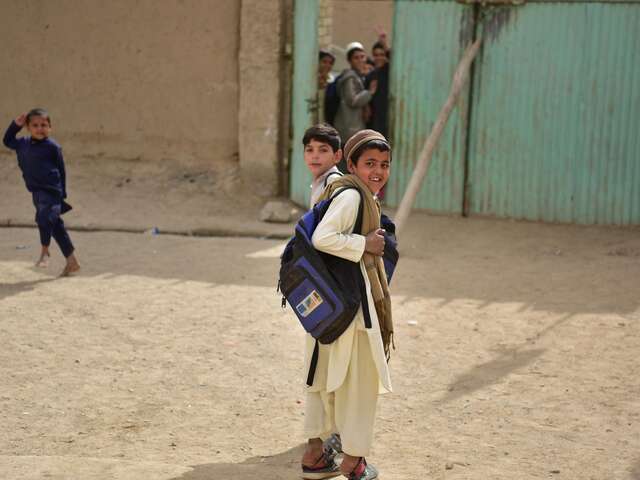
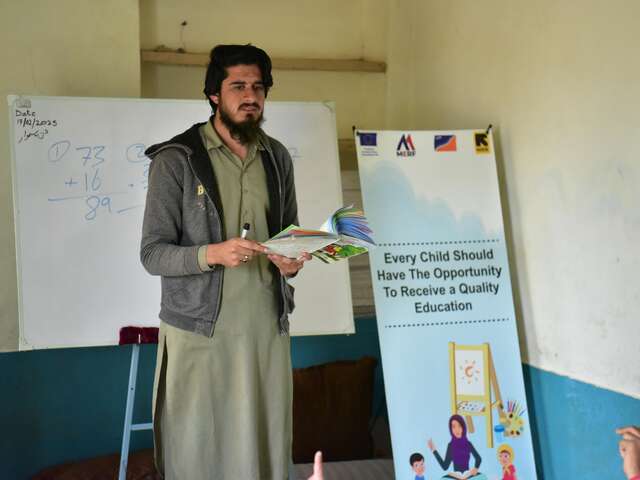
Through this EU-funded project, Accelerated Learning Program (ALP) centres offer condensed lessons, trained facilitators and safe, welcoming classrooms so children who are out of school can catch up and, where possible, move into formal education.
For children like Attiq, this support is already opening new doors. “One day, I will complete my studies, get a good job in the city, and support my family in a better way,” he said. With continued backing from the European Union, the IRC aims to help many more children in Pakistan access learning, stability and hope for a better future.

The International Rescue Committee partners with the European Union to provide life-saving support to people caught in conflict and disasters around the world. Our work funded by the EU enables people to survive, recover and rebuild their lives.