Overcoming water insecurity
Andrienne, 53, has lived in Vacap for a long time. Each day starts early. She goes to the field, gathers vegetables, and tends to the garden. It is a life shaped by work, like many in her community.
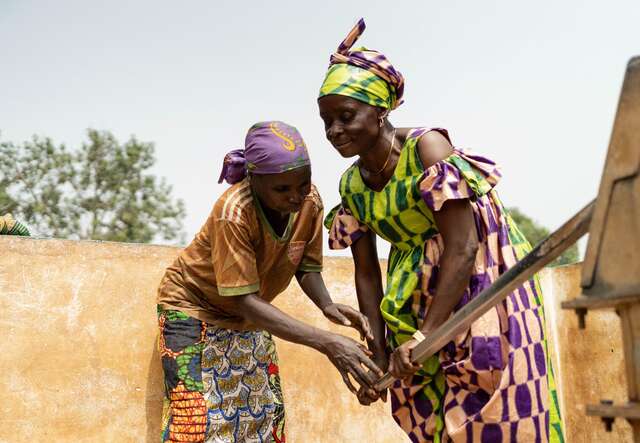
The water problem touched every part of that routine. The forest water made the children and adults ill and sick from time to time. “It gave them stomach aches; they would vomit. Even I would get sick sometimes,” Andrienne said. What should have been a basic task had become a daily source of worry.
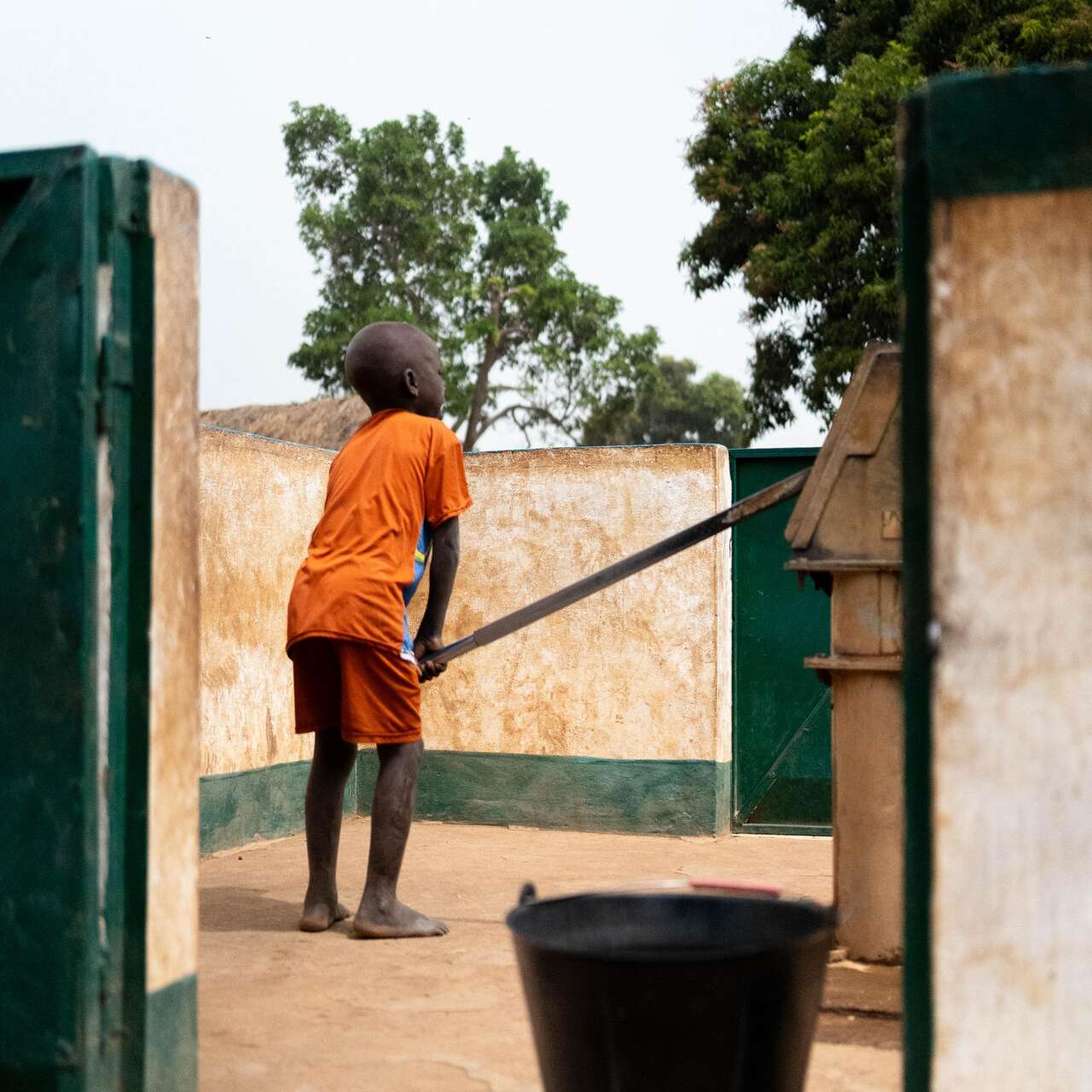
Then the new well was drilled. The difference was immediate in the most ordinary parts of life: no more long trips to the forest, no more drinking water that made children vomit, no more constant worry about what might be hiding on the path back home.
The shift brought relief to the whole household. "Since we’ve had this well, no one has been sick." For her, that is the clearest sign that something important has changed.
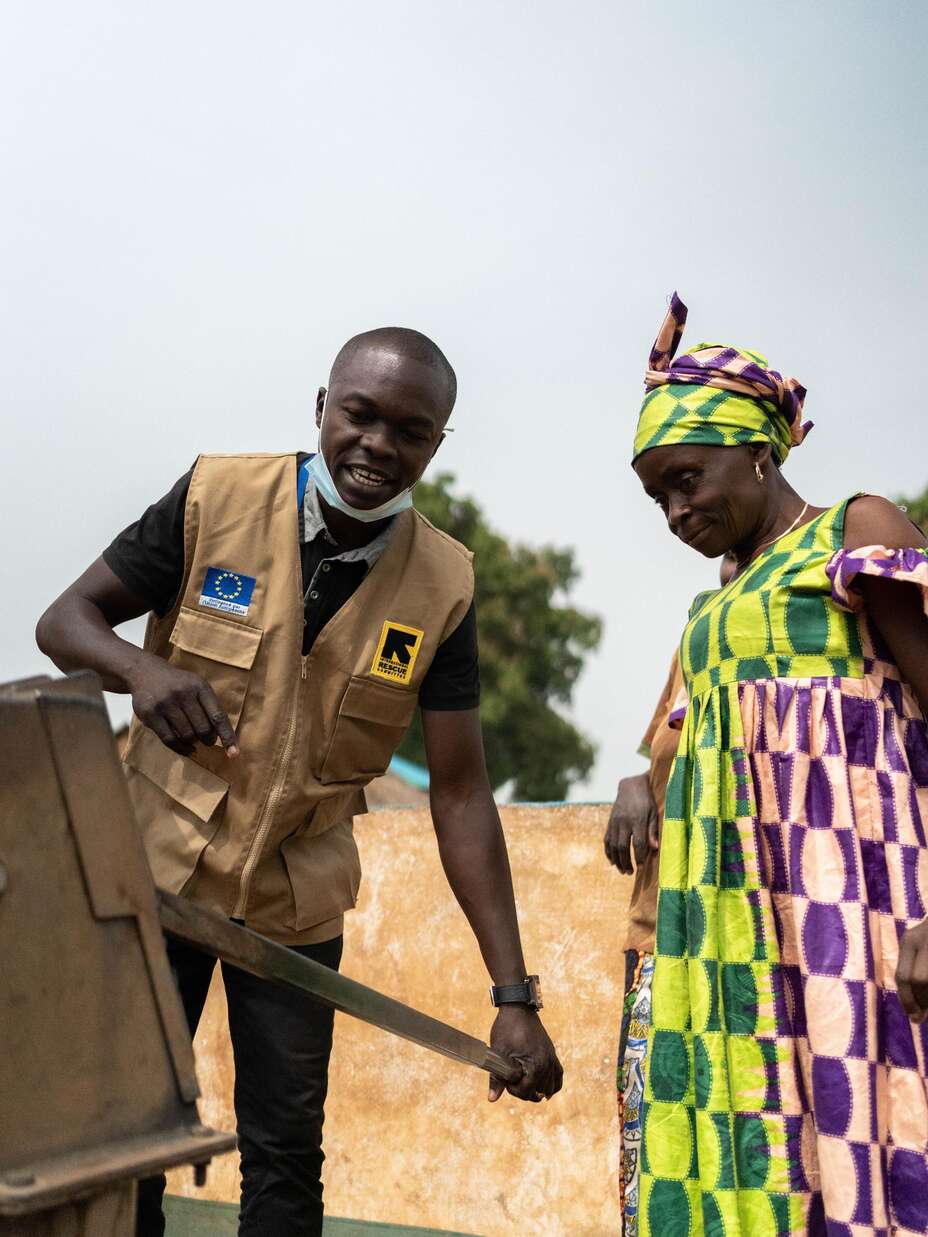
Andrienne is clear about what clean water means in real life. "Water is essential for life. When you drink bad water, it hurts you."
The well has also changed the mood in the village. "Now we live in peace," she says. "We have good water. Thanks to this (IRC and European Union) support, we have peace of mind. All the children are in good health!"
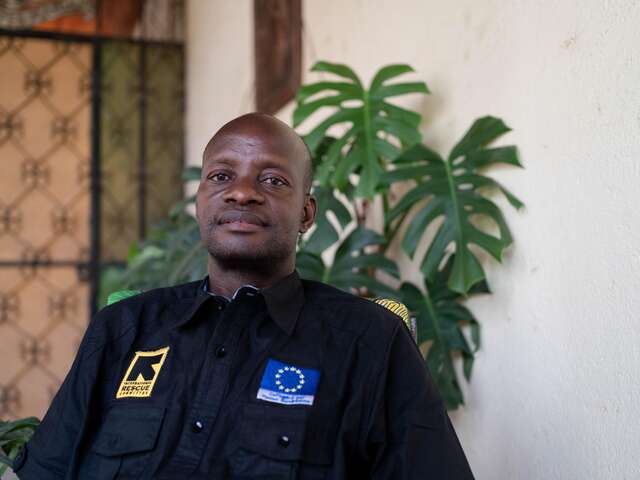
The well has done more than improve daily life at home. It has also helped make the local health centre work better. Dr. Cyprien, IRC health and nutrition program coordinator, says it has made a significant impact. “Water obviously causes a lot of digestive problems if it is not drinkable,” he says. “And even if someone eats and has digestive problems, you’re not going to assimilate what you’ve eaten.” In children, this can quickly lead to malnutrition. In a setting where families already struggle to feed themselves, unsafe water can make an already difficult situation worse.
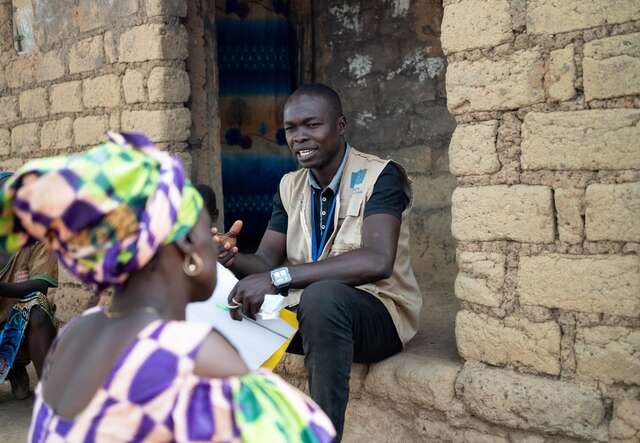
He says the IRC’s approach is built around that reality. “When we put these approaches in place, we’ve found that there are fewer and fewer very serious cases,” he explains.
For Dr. Cyprien, the message is simple: treat the child, yes — but also address the conditions that are making the child sick in the first place.
The biggest change may be the simplest one: illness no longer feels inevitable. A household that is not constantly dealing with stomachaches, vomiting, and missed work can focus on everything else that keeps it going — farming, selling vegetables, looking after children, and planning for the next day.
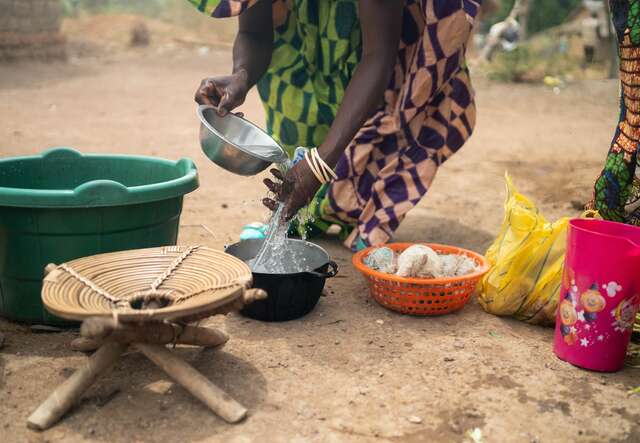
It also matters for mothers and grandmothers, who carry much of the daily burden. Andrienne speaks with pride about her work in the field, but she also speaks like someone who knows what it means to live with inadequate access to necessities. A reliable water source does not solve every problem, and there is more work to be done. She still wants more wells and says the community would benefit from more support. But the difference between then and now is unmistakable.
"From my point of view, the water from this well is a very good thing," she says. "We are strong and healthy. We can only thank you."
The IRC’s work in the Central African Republic is designed to respond to what communities say they need most — and in many places, it is simply safe water. Through its wider health response, the IRC supports communities with an integrated approach that does not stop at treatment alone. Safe water is part of that approach because it helps prevent disease, reduce malnutrition, and make health services more effective.
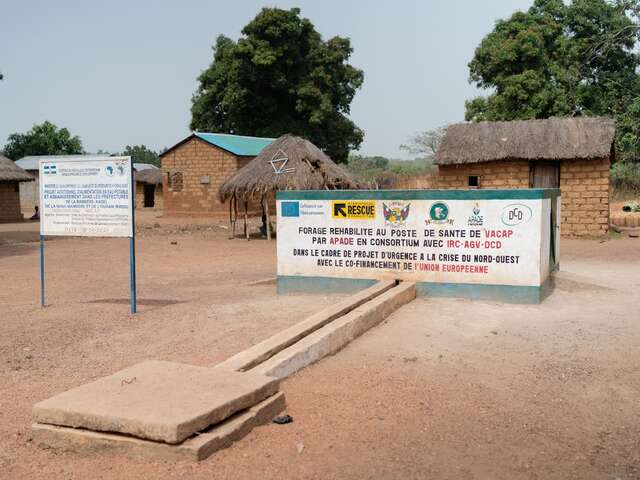
Dr. Cyprien says this is why the work matters so much in places where basic services are limited, and people are left to cope without support. “Health problems are not isolated,” he says. The goal is not just to treat illness after it appears, but to help stop it from taking hold in the first place.
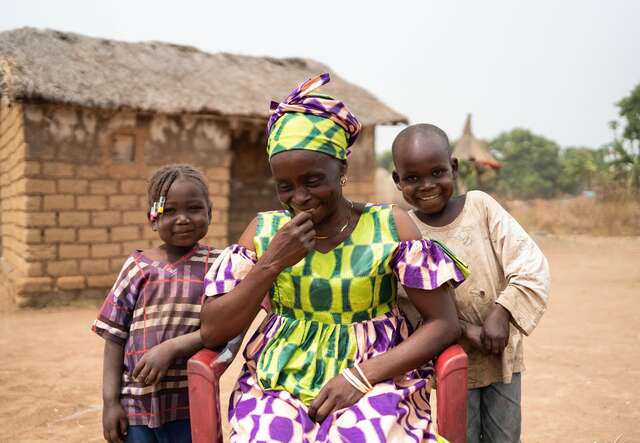
For Andrienne, that change is already visible at home. The children are healthier. The water is safer. The walks are shorter. And life, while still hard, is no longer shaped by the same fear every time someone needs a drink.
The International Rescue Committee partners with the European Union to provide life-saving support to people caught in conflict and disasters around the world. Our work funded by the EU enables people to survive, recover and rebuild their lives.