Niger humanitarian crisis
Niger is still suffering from the aftermath of the 2023 coup, which exacerbated its humanitarian crisis and fueled further instability. Since September 2023, more than 130,000 people have been internally displaced, particularly in the Tillabéri region. Families are fleeing violence, natural disasters, and the effects of climate change. Locally, the capacity to anticipate and respond to these rising humanitarian needs remains limited, and most urgent aid comes from international organisations.
Nine out of the twenty-five community health centres in the district of Filingué are inaccessible to locals due to political instabilities. Furthermore, those in critical need of healthcare often live more than 15 km away from available health facilities. remains
The International Rescue Committee (IRC), with funding from the European Union (EU), has been deploying two mobile health clinics for nearly two years in the districts of Filingué and Ouallam—two districts that have been enduring local insecurity for years. The IRC’s healthcare teams operating the mobile clinics make weekly visits to rural areas to provide free preventive, curative and promotive health services. The team includes an IRC doctor, a nurse, a midwife, and a healthcare agent making vaccinations.
One of the patients treated at the mobile clinic is Hamani Boubacar. The nine-year-old was feeling ill when he visited his uncle, Saadou Balma, at the displacement site in Ouallam.
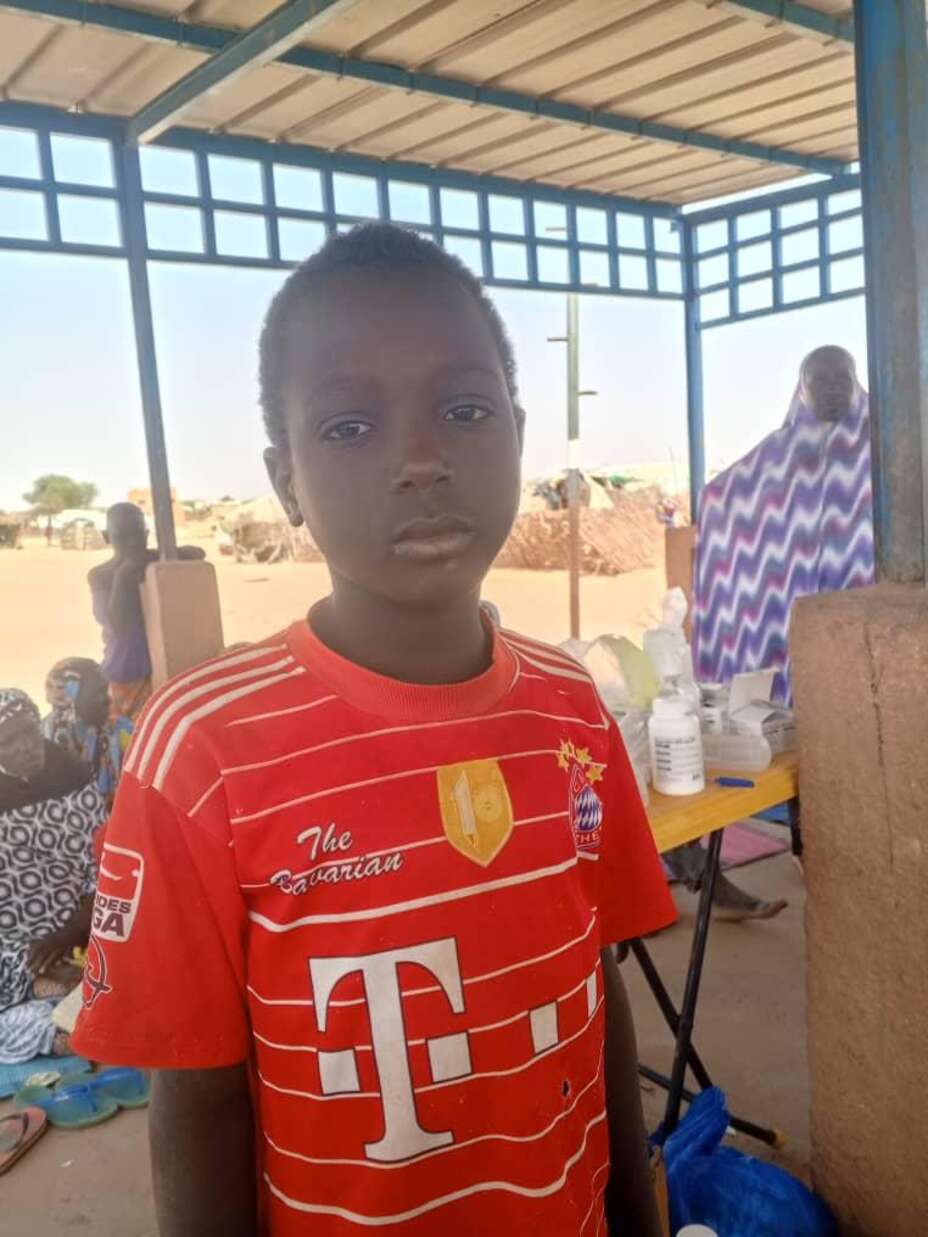
“Hamani’s eyes started to itch, then they turned red and began to swell. Concerned, we tried a traditional treatment using moringa leaves, which we put on his eyes. But after several days, his condition did not improve,” Saadou explains. “That's when we decided to take him to the mobile clinic that was visiting the Ouallam displacement site.
The clinic staff quickly took charge of him and began treatment. They even gave us the necessary medicines free of charge.” Hamani was treated daily by the IRC’s mobile health team until he successfully recovered and regained his eyesight. “As soon as the child began this treatment, we saw a marked improvement,” Saadou tells us. “Within a few days, the swelling had disappeared and he was back to full health. It was a great relief for us.”
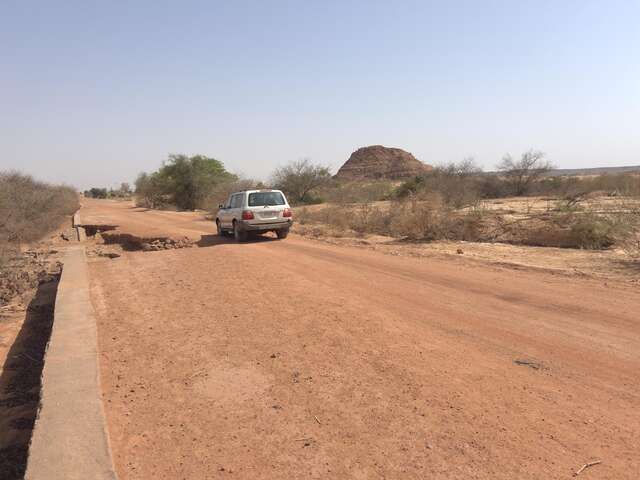
The IRC has been working to provide humanitarian aid in Niger since 2013 and is presently one of the largest humanitarian organisations in the country. The IRC operates a multi-sector program in Ouallam, Filingué and Banibangou, to provide healthcare, nutrition, women’s empowerment, and child protection services to vulnerable displaced populations with no access to it. To address the lack of access to healthcare, the IRC supports four health centers in Attaloga, Filingué, Gao, and Talcho, that attend to displaced and conflict-affected people. Services provided include maternal consultations and child healthcare, malnutrition treatment, vaccinations, illness management, and activities aimed at raising awareness on health topics.
This program is built on the strength and commitment of the people in the local communities. By working hand in hand with local authorities and health services, the IRC’s mobile clinics focus on making healthcare more accessible, especially in rural areas where host communities are already confronted with very limited resources. Because travel to these areas is often difficult, the IRC teams don’t work alone — they coordinate with health districts and local leaders who help guide and support these initiatives. Mobile teams also include local health workers and community representatives, whose presence builds trust and opens doors. Thanks to this joint effort, the IRC can reach even the most remote areas and bring direct assistance to the people who need it most.
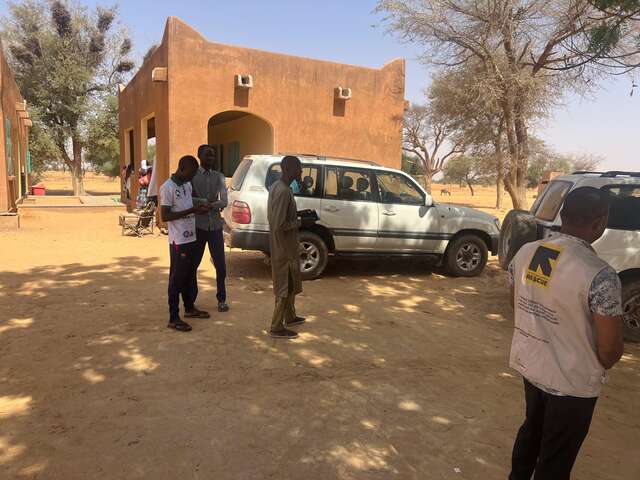
The mobile health team based in Filingué visits three villages per month for three consecutive months. Here, the mobile team visits the community health center in the village of Attaloga, located in a hard-to-reach area. Particular attention is given to displaced populations and to those most at risk, such as the elderly, those with disabilities, women and children.
Drawing from its experience working on various projects, the IRC’s healthcare programs focus on an inclusive and gender-responsive approach, which prioritizes victims of discrimination and those at risk of exclusion, as well as displaced and refugee populations. The IRC works with host communities in an effort to build up local resilience, strengthen their capacities and boost their confidence.
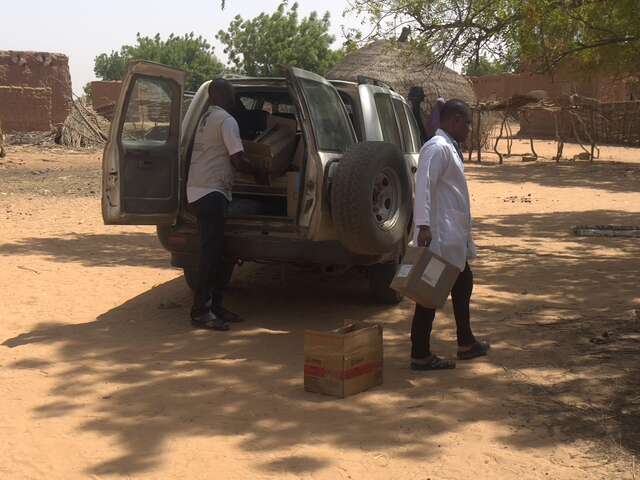
The interventions are directed to sites where the IRC can work in concert with the government’s Health and Hygiene Department, which oversees all health districts. This helps to boost the provision of medical care for children under 5 years of age and women’s protection and empowerment activities. Alongside assisting with healthcare and nutrition, the program offers access to water, hygiene and sanitation kits, protection services, education and livelihood.
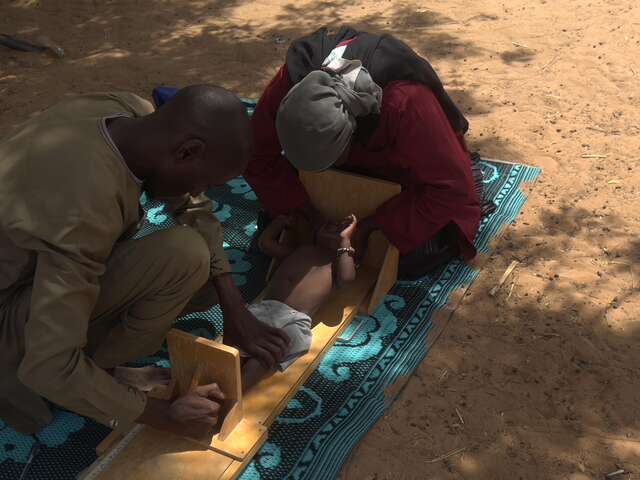
Security threats in the Tillabéri region of Niger continue to deteriorate humanitarian conditions through intensification of conflict and violence against civilian populations. According to the Humanitarian Needs Overview (HNO) 2023, 4.3 million people are in need of humanitarian assistance, of which more than one in two are children under the age of 17. Violent attacks, combined with the consequences of climate change (floods and droughts) have led to massive displacement of populations. This aggravates pre-existing humanitarian needs, such as chronic poverty and food insecurity. Exacerbated tensions between communities consequently cause inter-community hostilities in some localities of the Tillabéri region.
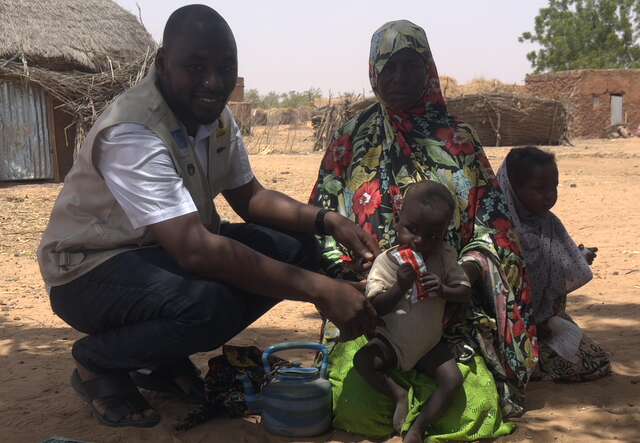
Through funding from the European Union (EU), the IRC continues to deliver life-saving humanitarian aid to the displaced inhabitants in Niger’s Tillabéri region. The IRC calls for immediate humanitarian action and urges donors to increase support to safeguard the rising number of vulnerable populations in Niger.
The International Rescue Committee partners with the European Union to provide life-saving support to people caught in conflict and disasters around the world. Our work funded by the EU enables people to survive, recover and rebuild their lives.