Humanitarian workers
Across Yemen, millions of people are experiencing acute food insecurity and healthcare shortages. Recent conflict escalation along the country’s west coast has driven thousands of people from their homes and exacerbated urgent needs for shelter, food, water and healthcare. Amid funding cuts, European Union funding is enabling the IRC-run mobile health clinics and nutrition teams to continue delivering critical services to newly displaced families in southern governorates.
But what is it like to be a humanitarian health worker in these challenging conditions?
The health system in Yemen has been weakened by years of conflict. For many families, accessing a healthcare facility has become a true obstacle course: roads are long and hazardous, transport is costly, and, with most national healthcare facilities shut down, it can take hours to reach a doctor or nurse. Sometimes, transportation and medical costs make healthcare out of reach. Families with young children, pregnant women and the elderly are disproportionately affected by this lack of access.
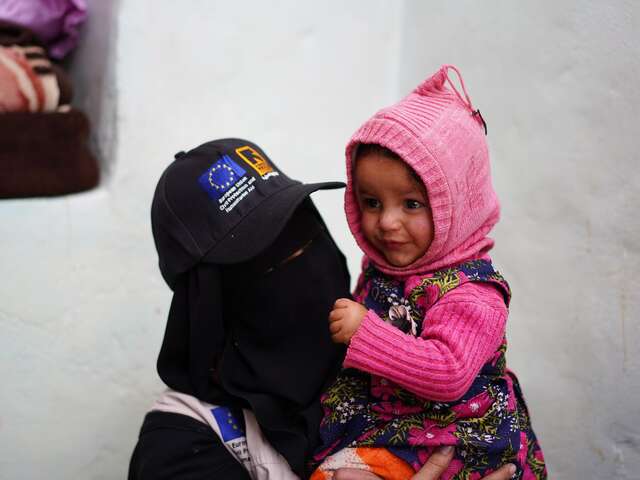
This is why mobile health clinics, such as those operated by the EU-funded IRC mobile health programme, have become an indispensable part of humanitarian support in Yemen. These clinics travel directly to communities for whom established health facilities are unavailable or inaccessible. Once there, dedicated healthcare workers provide check-ups, nutrition screenings, treatments, and referrals at no cost.
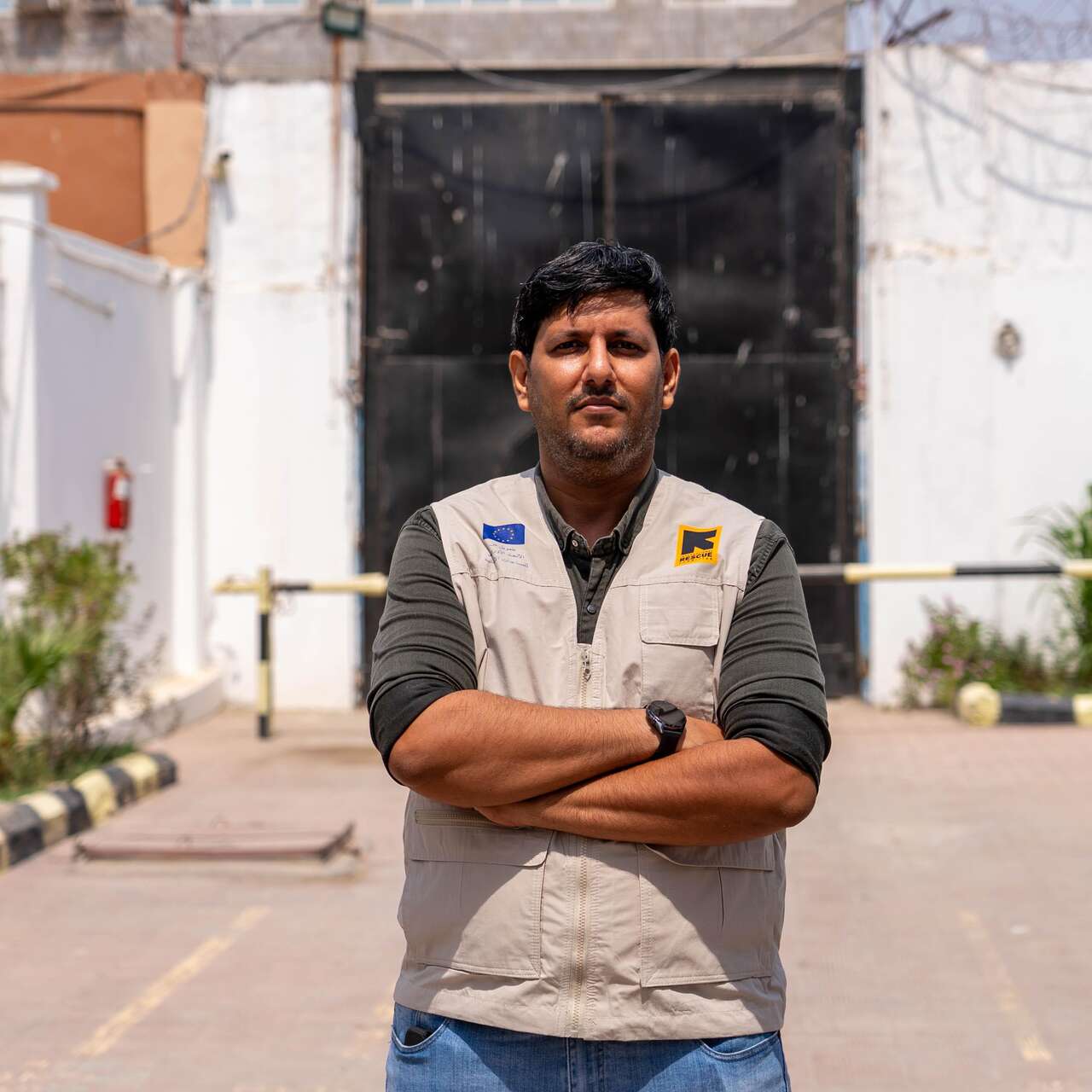
Dr. Ahmed, the IRC's nutrition coordinator in Yemen, has been a mobile healthcare worker since 2017. He says, “mobile health teams are the only viable approach to reach people living in remote areas. We go to the mountains and valleys, where roads are really difficult. It is often the only source of health and nutrition care for people who fled their homes.”
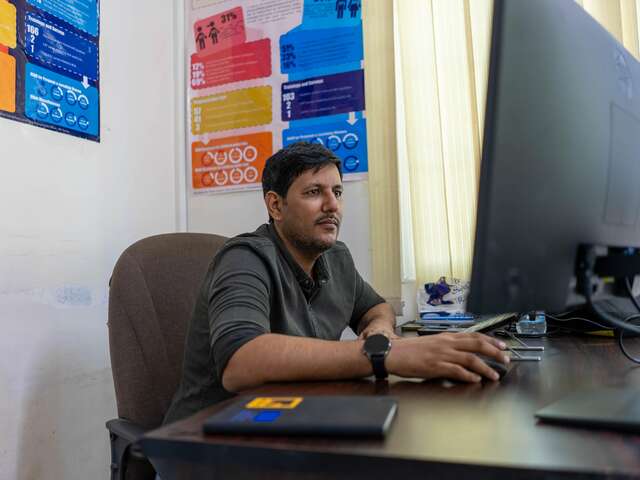
Working in healthcare in a humanitarian crisis requires more than medical know-how. It requires courage and determination. Humanitarian healthcare workers, like Dr. Ahmed were compelled to serve their people when the conflict began: “when the war began, I was a doctor in the emergency unit of a private hospital. There, I saw many patients come to the hospital with no money to cover the medical costs. Many had children but couldn’t afford the food to keep them strong and healthy. When you see that, you get a feeling that you should do something.”
This is when Dr. Ahmed joined an organisation providing mobile health support back in 2017.
“I started to use my medical experience to serve my people, to serve those children who suffer from malnutrition and medical complications,” he recalls.
Many members of the IRC’s healthcare team in Yemen are members of communities impacted by the conflict and wanted to dedicate their careers to helping their people.
When asked who he was outside of work, Dr. Ahmed replied: “I am a family man. I have three children, two boys and one girl.”
When he is home with his children every day, he carries the worry that his family may one day face the same hardship as the people he supports. Yet, after long days spent trying to help others, he tries to protect time spent with his children “because if you don’t catch these moments, you may lose them”, he says.
As a team leader, Dr. Ahmed also knows that the health workers on his team are often facing similar pressures: insecurity, financial stress and anxiety about their loved ones’ well-being.
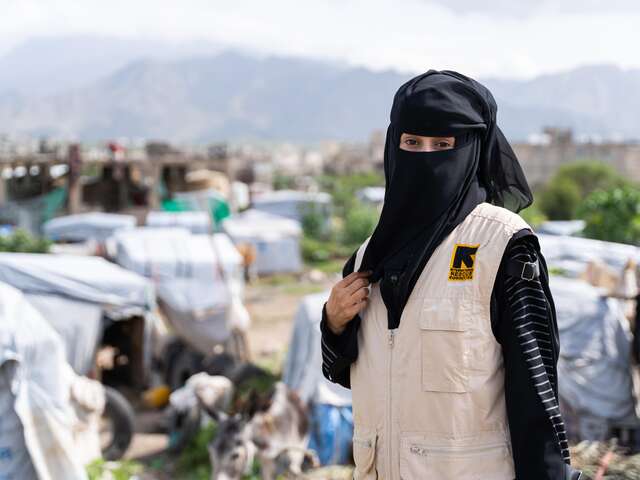
For these humanitarian workers, the crisis is not distant from their reality. They know it intimately and live through it alongside the people they serve. Sharing in this struggle has earned them the trust of their communities.
Another source of stress for Dr. Ahmed and his colleagues is the knowing that more Yemenis are increasingly in need of assistance while resources available to respond to them are shrinking.
Healthcare workers in Yemen have learned to work in an increasingly unstable environment of overlapping shortages: shortage of health facilities, of resources, of staff and equipment and a critical shortage of funding.
“It is not one challenge that we have to learn to overcome,” Dr. Ahmed describes, “it is compounded and growing challenges that are continuously affecting the people of Yemen and making it much more difficult to address the malnutrition and health crises in the country.”
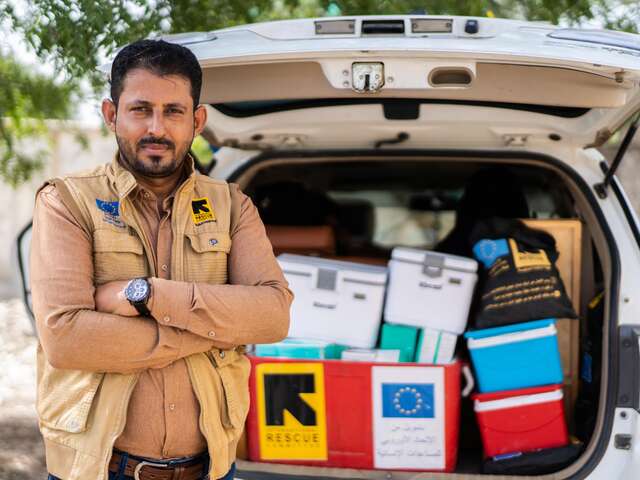
The stress of these multiple shortages is intensified by the decisions Dr. Ahmed must make as the team lead. Funding cuts have forced IRC Yemen to reduce its staffing by half and, as a consequence, reduce the number of areas where IRC teams respond. Dr. Ahmed knows that these decisions are a direct effect of shrinking resources and not a reflection of needs:
“It is very, very hard to decide in which area you will continue and in which area you need to close activities. In both areas, there are children, there are people who need your help,” Dr. Ahmad explains.
The consequences of these decisions haunt him. He knows that a child who cannot access nutrition care anymore may relapse and become more vulnerable to complications and infections.
In response to the funding cuts, IRC Yemen had to merge two roles into one. Dr. Ahmed now manages the nutrition, health, and sanitation programs. “This merger of roles means we can save money on staff and use these resources to reach more people in need,” Dr. Ahmed says.
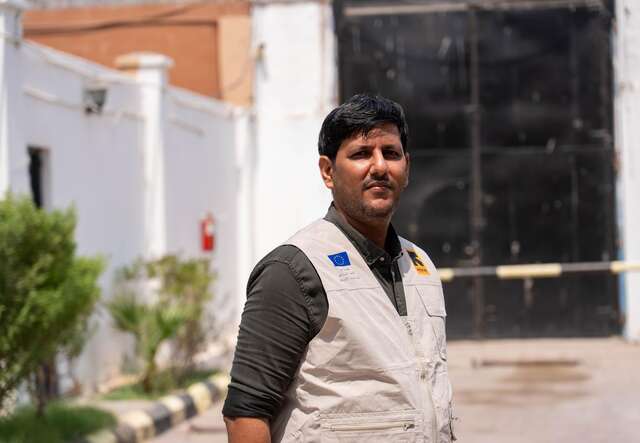
IRC Yemen’s donor base has narrowed considerably in recent years. The European Union is one of the last major funders of IRC’s work in Yemen, helping the IRC sustain its activities in some of the areas facing the greatest severity of needs.
A new EU-funded programme launched this year is being implemented alongside Yemeni organisations and will allow the mobile health programme to continue its vital work.
The flexibility of EU and other donors’ support is also especially important as needs shift rapidly. When people are displaced by conflict escalation, as has happened recently on the west coast, services must be able to move with them.
Dr. Ahmed cannot imagine the consequences if there are additional funding cuts.
“The consequences would be severe, because children who are currently under treatment for severe malnutrition would lose access to therapeutic food that is saving their lives right now. Without this treatment, they will be at risk of death. I cannot imagine that,” he says.
Like many of his colleagues, Dr. Ahmed goes to work every day with the hope that there will be better days for his country. He dreams of a Yemen that is no longer in need of humanitarian assistance. He hopes “for Yemen to build itself back up and become independent and sustainable.”

The International Rescue Committee partners with the European Union to provide life-saving support to people caught in conflict and disasters around the world. Our work funded by the EU enables people to survive, recover and rebuild their lives.